

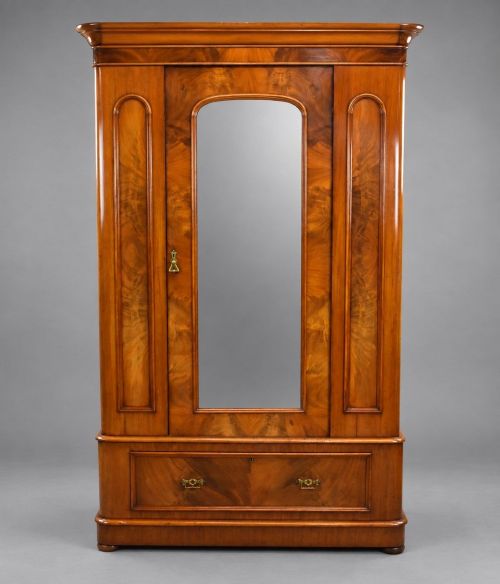
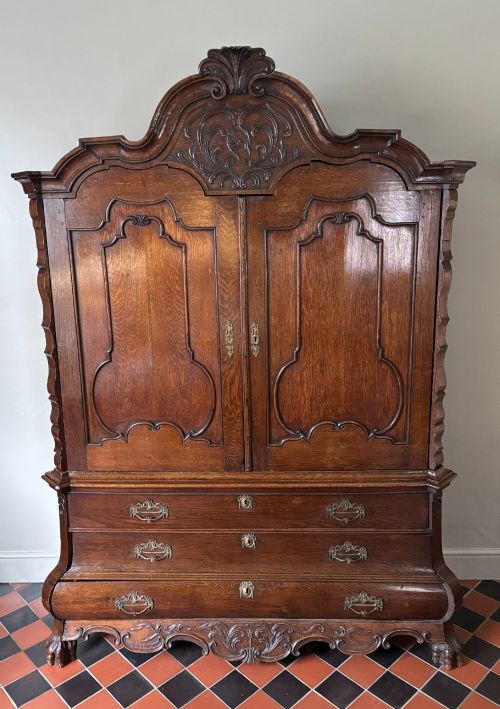
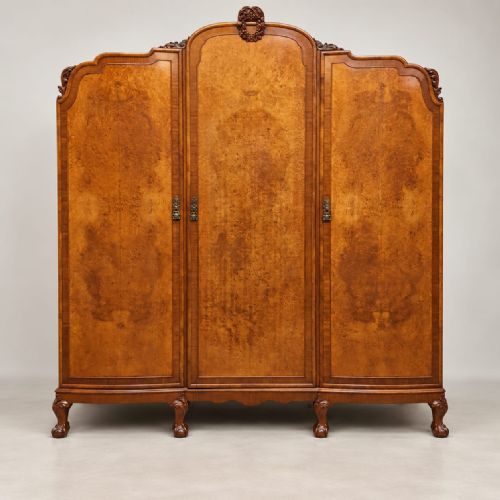
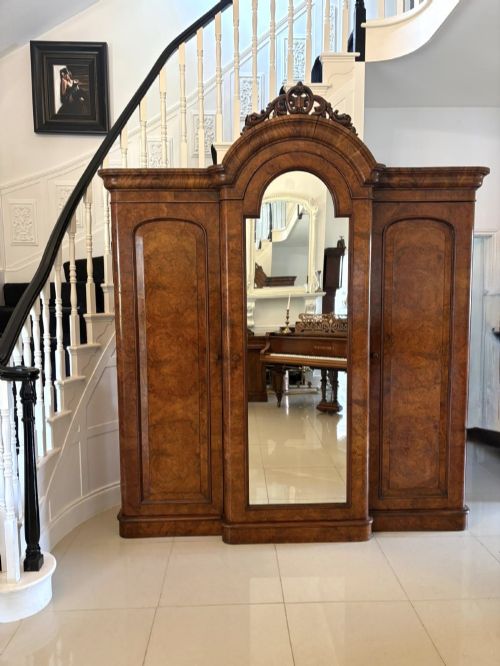
Large Brown Armoire
A large brown armoire brings commanding presence to a room, offering substantial timber storage across stately periods.
Large Brown Armoire
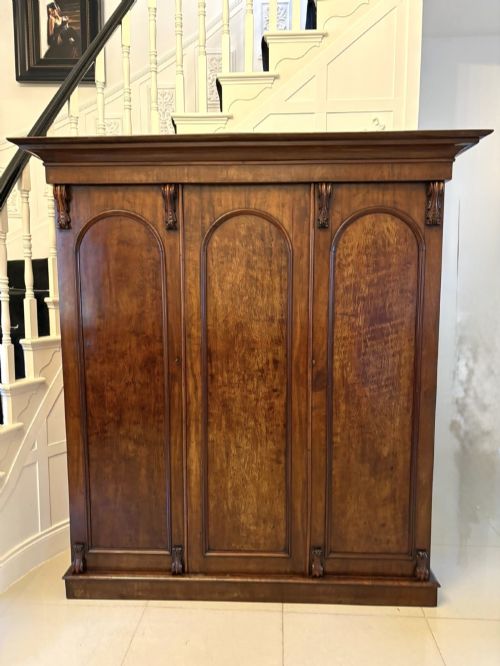
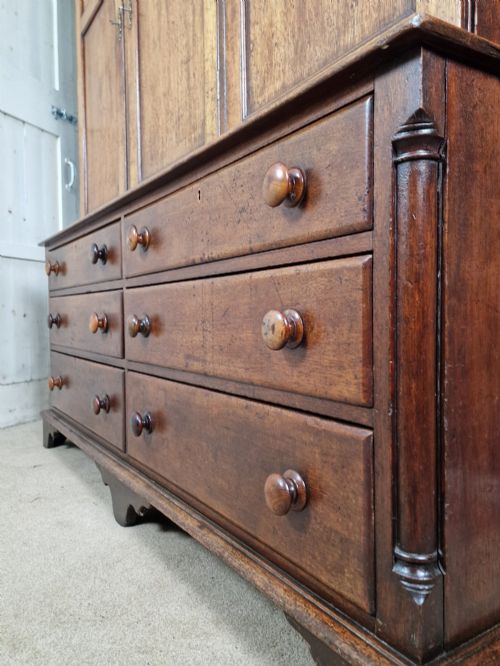
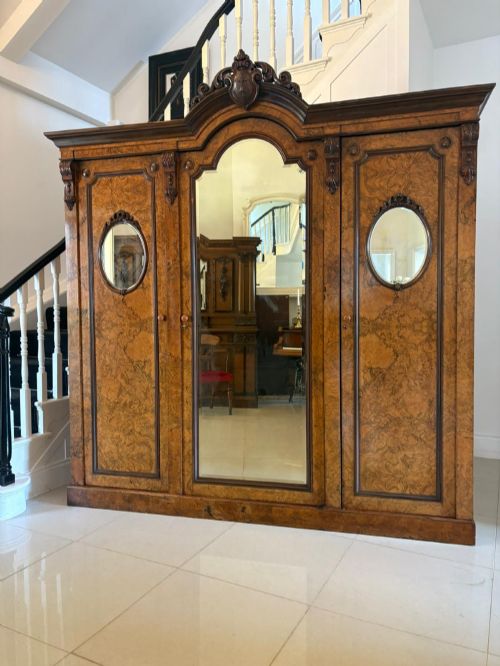
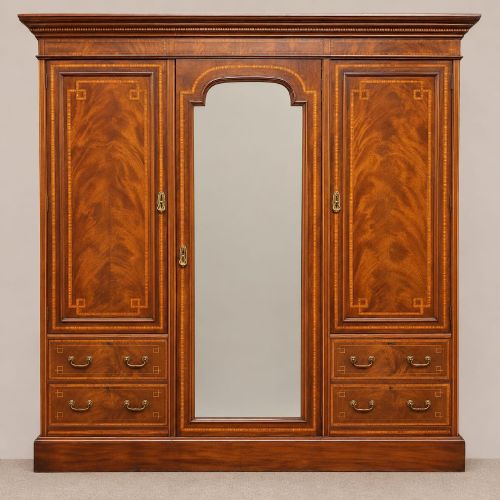
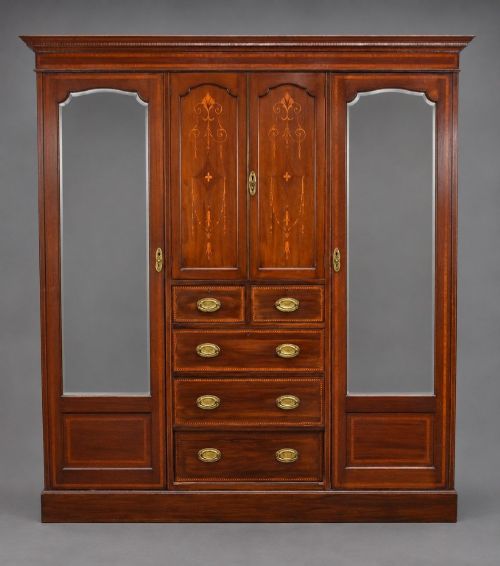
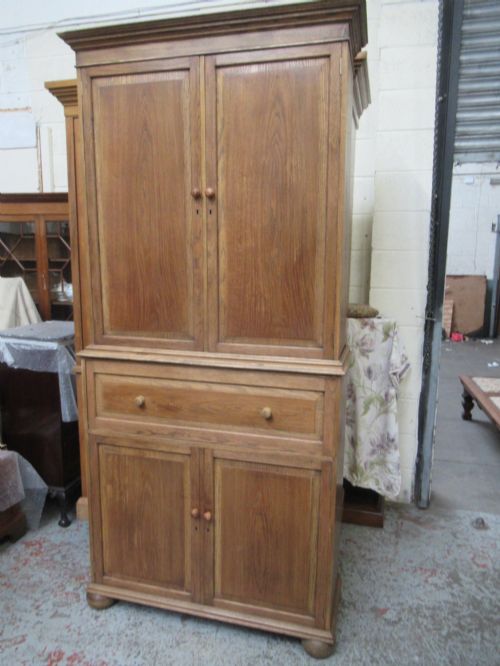
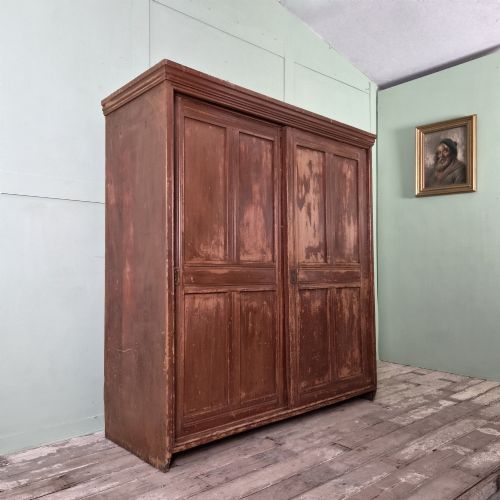
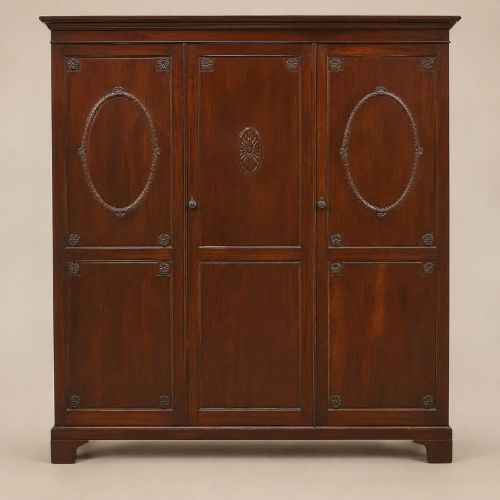
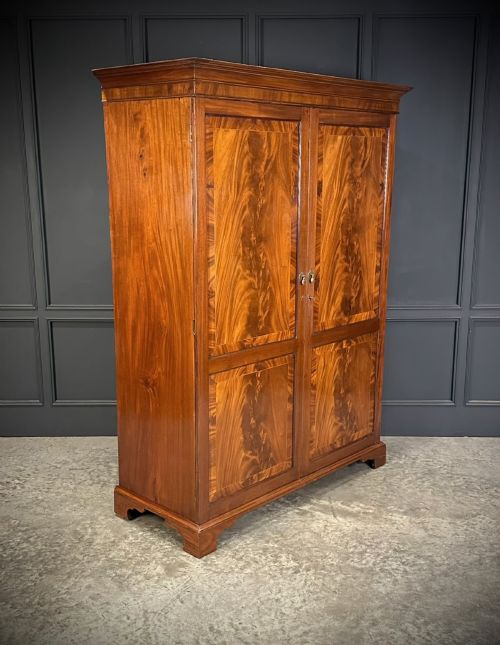
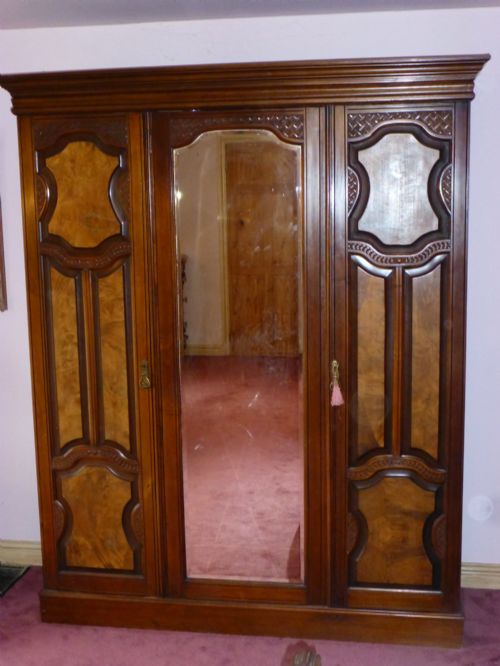
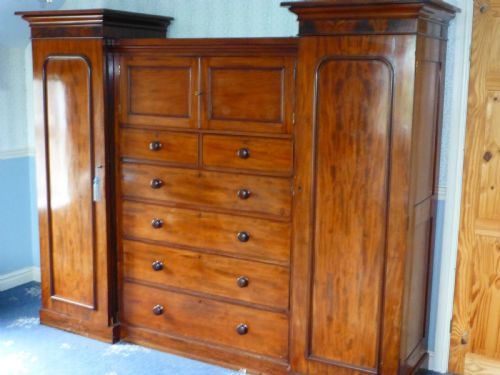
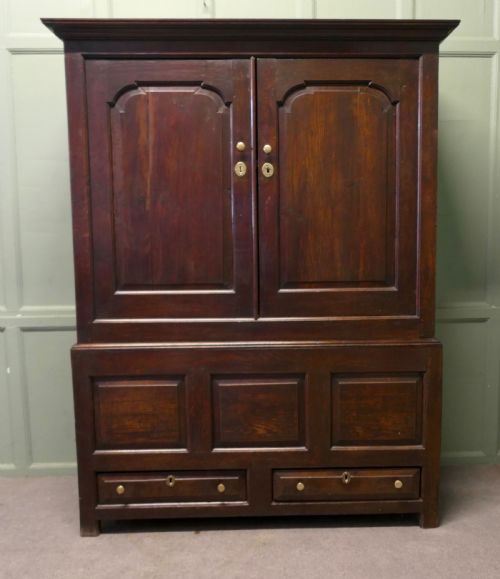
When you search for a large brown armoire, you encounter substantial freestanding storage furniture designed to hold garments, linen, and household goods. These pieces take the form of wardrobes, compactums, linen presses, and large cupboards spanning the eighteenth, nineteenth, and early twentieth centuries. The most common versions on this page are triple wardrobes and large cupboards fashioned from rich brown timbers.
The origins of these items stretch from British workshops to French, Italian, and Dutch provinces, utilising regional forms like the breakfront, serpentine front, and bow front. Oak, mahogany, and walnut dominate the selection, often arranged in multi-door formats with hanging space and internal drawers. They provide architectural weight and functional capacity for domestic spaces.
Makers such as Gillows and Edwards and Roberts appear alongside pieces bearing the distinct hallmarks of Victorian and Edwardian cabinet making. Styles range from Georgian restraint and Dutch Baroque to Victorian elaboration and Art Deco linearity. Buyers select them for their combination of generous interior volume and rich timber patination.
How they were made
Cabinet makers constructed these large pieces using sturdy carcases of oak or pine, applying decorative veneers such as burr walnut, flame mahogany, and curl mahogany to the primary surfaces. Solid timbers like teak, chestnut, and satinwood also form the structural and decorative elements. Panels are fitted with allowance for seasonal wood movement.
Surface ornamentation relies on natural grain figures, contrasting crossbanding, and marquetry inlays rather than excessive applied decoration. Brass hardware, mirrored doors, and gilt bronze ormolu mounts provide functional and visual accents on continental and British examples. Carved details appear selectively on cornices, pediments, and door panels.
Large Brown Armoire Retail Price Guide 2026
Typical asking prices for large brown armoire among the pieces listed under this phrase on Sellingantiques today, from the lower quarter to the upper quarter. They describe what is for sale here now, not the wider market.
School cupboards from the nineteenth century often retain traces of ink stains and pupil carvings hidden inside.
What varies in quality
The distinction between standard and exceptional pieces rests upon the selection of timber figures and the sophistication of the internal configuration. Highly figured burr walnut and matched flame mahogany veneers require superior craftsmanship to apply across expansive multi-door facades. Compactum designs with fitted internal drawers, sliding trays, and multiple compartments demand greater joinery skill than simple hanging cupboards.
Proportion and architectural detailing set the finer examples apart from utilitarian utility furniture. Breakfront cornices, serpentine shaping, and integrated marquetry indicate workshops of higher ambition. Original hardware, glass, and surface finishes preserve the integrity of the piece against later alterations.
Holland and Sons·Gillows·Edwards and Roberts
The Large Brown Armoire Glossary
- Compactum
- A fitted wardrobe that combines hanging space with multiple internal drawers, shelves, and sliding trays. This form maximises internal storage efficiency.
- Linen Press
- A tall cupboard featuring sliding trays or shelves in the upper section and drawers in the lower base. Originally designed for storing flat linens.
- Breakfront
- A piece of furniture where the central section projects forward from the flanking outer sections. This creates architectural depth and shadow.
- Ormolu
- Gilt bronze mounts applied as decorative ornaments to furniture surfaces. It appears frequently on continental armoires.
- Serpentine Front
- A furniture front curved in a wave pattern, concave centrally and convex at the ends. It requires precise woodworking to execute successfully.
Large Brown Armoire: Frequently Asked Questions
How do I place a large armoire?
These tall pieces require generous ceiling height and stable wall placement to anchor their considerable weight. Measure doorways and stairwells carefully before introducing them to upper floors.
Position them away from direct heat sources to protect timber veneers from drying and splitting over time. Ensure the floor surface is level so the heavy doors swing true on their hinges.
What is a compactum wardrobe?
A compactum is a multifunctional storage unit that integrates hanging rails with banks of internal drawers and sliding trays. They emerged during the Victorian era to provide comprehensive wardrobe solutions within a single footprint.
These interiors often include specialised compartments for hats, boots, and folded garments. They represent some of the most complex joinery found in domestic furniture.
How do I care for antique timber?
Maintain a stable room temperature and humidity level to prevent the solid woods and veneers from warping or cracking. Dust regularly with a dry, soft cloth and avoid silicone-based polishes.
Apply a quality beeswax occasionally to nourish the grain and preserve the historic patination. Protect the surfaces from prolonged exposure to direct sunlight.
Are these pieces easy to dismantle?
Many large nineteenth and twentieth-century wardrobes were constructed with modular knock-down systems using internal bolts and removable cornices. This design allowed large items to be transported through narrow domestic spaces.
Professional installation is recommended to ensure the frame remains square and stable after reassembly. Check that the door alignments adjust properly within the frame.