

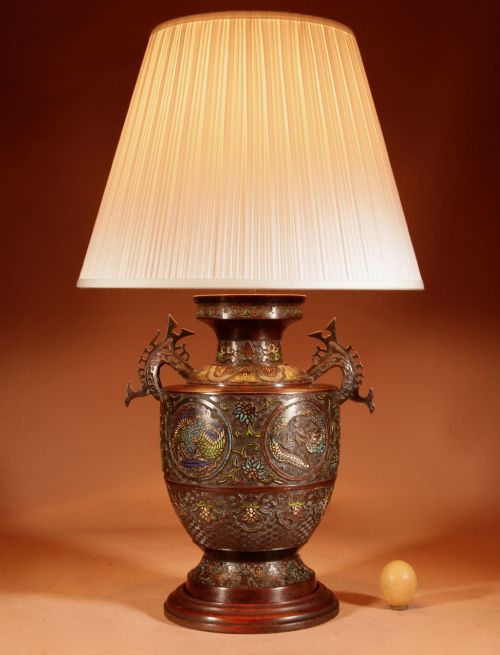
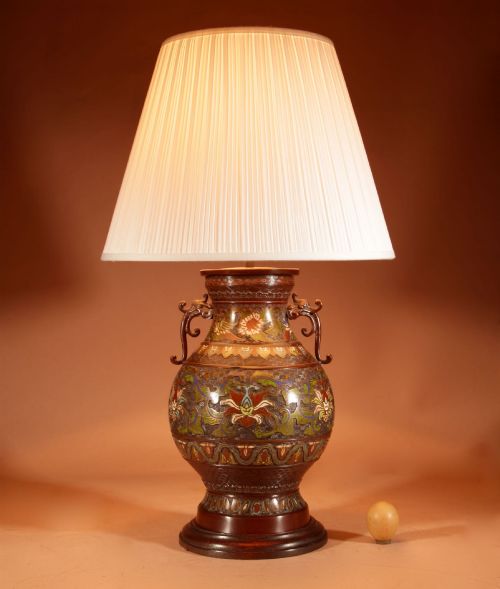
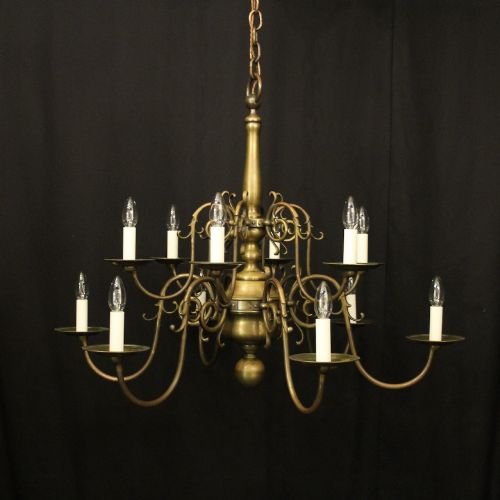
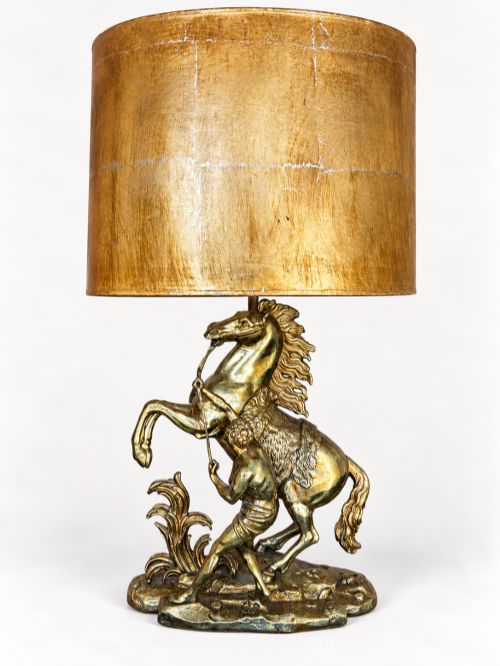




Large Bronze Lamp
A large bronze lamp brings sculptural presence and warm illumination to a room, ranging from classical figures to decorative Asian vases mounted for modern lighting.
Large Bronze Lamp
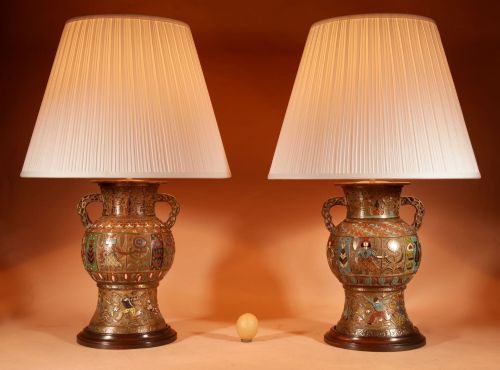
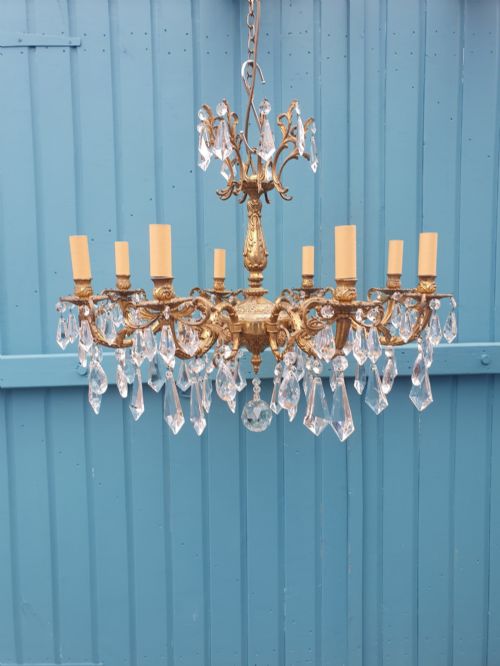
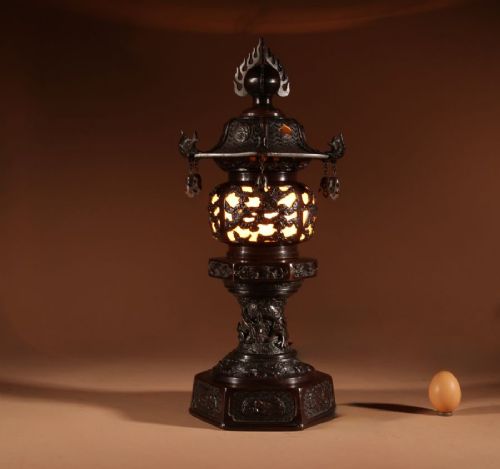
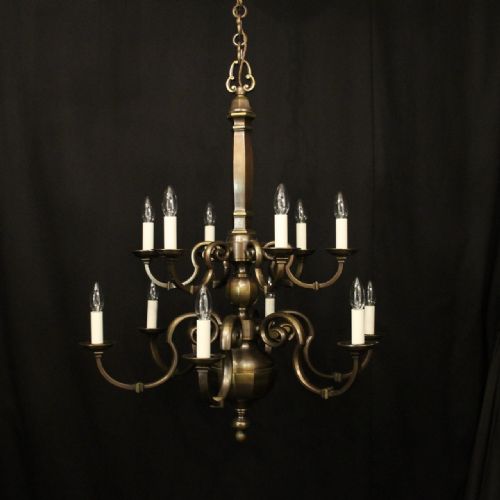
When you search for a large bronze lamp, you encounter a diverse array of lighting objects spanning several centuries of European and Asian craftsmanship. The selection encompasses imposing table lamps, figural torchères, standard lamps, and multi-armed chandeliers designed to anchor a room.
Table lamps dominate the selection, often incorporating converted Japanese bronze vases, French figural groups, or classical architectural columns. These pieces bridge decorative arts and functional lighting, drawing on styles from Regency and Victorian periods through to Art Deco.
Materials and Techniques
The construction of these pieces relies heavily on casting bronze, brass, and ormolu, often enhanced with fire gilding or patination to create contrasting surface textures. Master founders employed techniques like champlevé enamel, hand-chiselling, and applied crystal drops to enrich the metalwork.
Combinations with white marble, porcelain, glass, and faux lapis lazuli provide structural contrast and colour variation. Fabric shades complete many of the table lamps, while structural metal frameworks support extensive crystal or glass arrangements in chandeliers.
Large Bronze Lamp Retail Price Guide 2026
Typical asking prices for large bronze lamp among the pieces listed under this phrase on Sellingantiques today, from the lower quarter to the upper quarter. They describe what is for sale here now, not the wider market.
The inventory spans the Regency period, the nineteenth century, and early twentieth-century decades up to the 1930s.
Evaluating the Pieces
Quality in these heavy metal objects rests on the crispness of the cast and the depth of the subsequent chasing and finishing work. Superior examples exhibit sharply defined facial expressions on figural mounts and clean, deliberate detailing across decorative foliage or geometric motifs.
The integrity of the original mercury gilding or patination distinguishes superior workshops from standard commercial production. Heavier gauge metal, integrated marble bases, and signed components by known founders elevate a piece within its period.
Guillaume Coustou·L & F Moreau·F. De Luca·Emile Picault·François-Christophe-Armand Toussaint·Aug. Moreau·Coutan
The Large Bronze Lamp Glossary
- Ormolu
- Gilt bronze, typically referring to finely chased cast brass or bronze treated with a mercury gold amalgam to create a rich golden surface.
- Torchère
- A tall ornamental stand or floor lamp designed to hold lights aloft, frequently cast as a classical figure holding a torch.
- Champlevé
- An enamelling technique where troughs are dug into the bronze surface and filled with vitreous enamel before firing.
- Patination
- The natural or chemically induced surface coloration that develops on bronze over time, adding depth and character to the metal.
- Spelter
- A zinc alloy frequently used as a cheaper, lighter alternative to bronze in figural casting during the nineteenth century.
Large Bronze Lamp: Frequently Asked Questions
How do I wire a heavy antique lamp?
Rewiring requires running modern flexible cord through the original hollow channels of the bronze structure without damaging internal components. Professional electricians should handle this to ensure the heavy weight is safely balanced and grounded.
Many antique pieces retain old fittings that can be adapted with modern bulb holders. Preserving the original wiring path protects the historical integrity of the metal body.
What periods do these lamps come from?
The selection spans from the early nineteenth century through the Regency and Victorian eras into early twentieth-century Art Deco and Meiji period designs. Each era brings distinct aesthetic priorities, from classical Grecian austerity to ornate French rococo revival.
Stylistic markers help date the metalwork, alongside foundry marks and the specific composition of the bronze or ormolu. Understanding these epochs clarifies how a piece fits into historical interior design.
How do I clean bronze and ormolu safely?
Dusting with a soft, dry brush removes surface particles without disturbing the delicate patination or the thin layer of ormolu gilding. Avoid chemical polishes entirely, as abrasive compounds strip away historical finishes.
Gentle care preserves the aged surface quality that collectors value. Professional conservation is recommended if deeper cleaning becomes necessary.
Are converted vases suitable as daily lamps?
Vases mounted as lamps provide robust structural bases that easily support standard electrical fittings and shades. Their solid bronze or ceramic bodies offer exceptional stability on tables and sideboards.
Careful placement ensures the antique ceramic or metal body remains protected from accidental knocks. They offer a practical way to integrate antique Asian and European art into daily living spaces.