

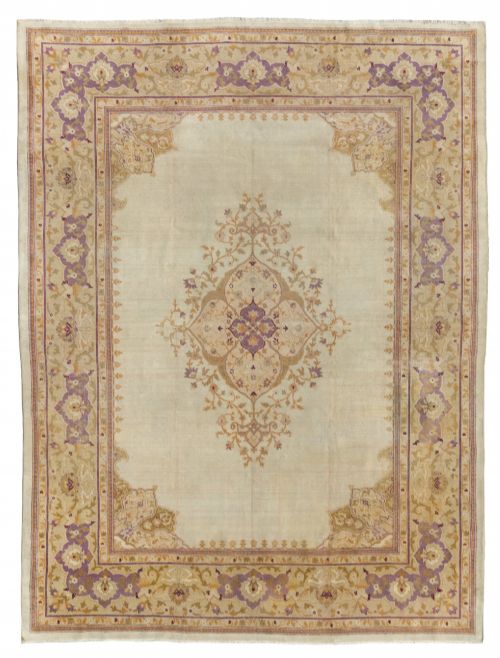


Large Beige Carpet
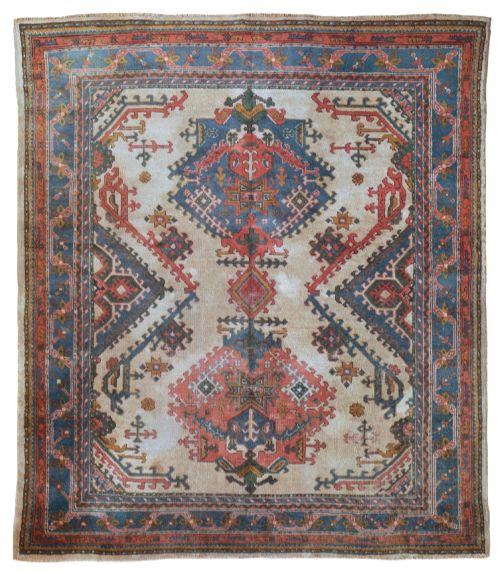
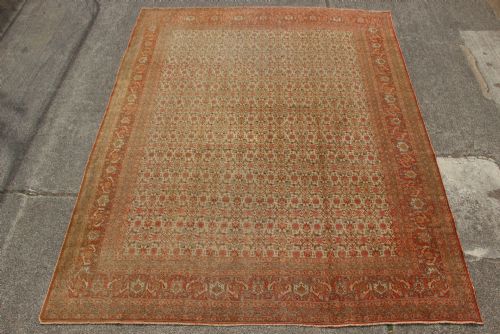
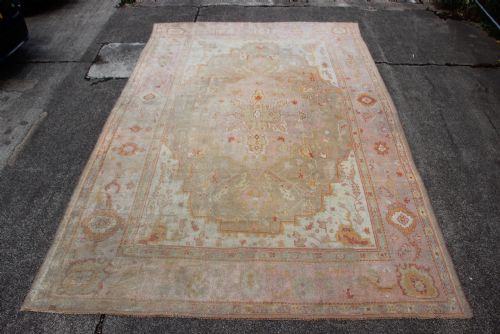
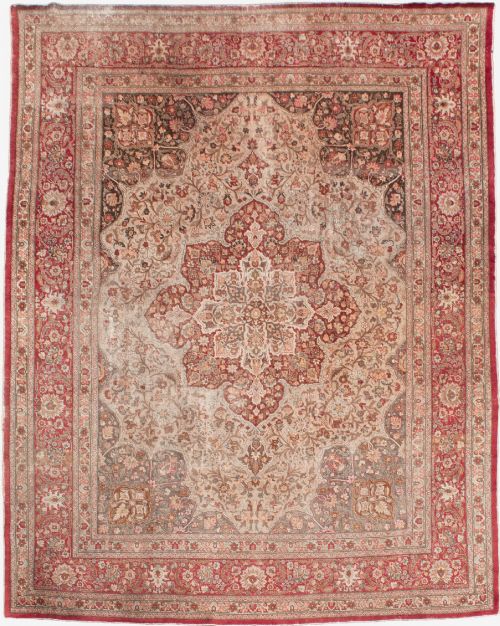
A large beige carpet grounds a spacious room with muted tones, offering antique Ushak, Tabriz, and Ziegler weaves in wool and cotton.
Large Beige Carpet
A large beige carpet brings historical room-scale floor coverings into domestic interiors, drawing upon traditions from Persian, Ottoman, and Anatolian workshops. These floor coverings span production dates from the late nineteenth century through to the early decades of the twentieth century. Buyers seeking a large beige carpet encounter room-sized formats that traditionally anchored country houses and formal reception rooms.
The selection centres heavily on Persian and Turkish output, featuring named regional types such as Tabriz, Ushak, Ziegler, and Hamadan alongside North Indian Amritsar production. Alongside these woven wool and cotton room carpets, related large formats include French Aubusson tapestries and English needlepoint carpets. These pieces utilise neutral, pale, and beige palettes derived from natural dyes that have mellowed gracefully over generations of use.
Materials and construction methods
These floor coverings rely on traditional hand-knotting and weaving techniques executed primarily in wool and cotton. Wool provides the durable pile surface, whilst cotton typically serves as the warp and weft foundation giving the textile its structural stability.
Needlepoint and tapestry alternatives employ robust ground canvases stitched or woven with woollen threads. Artisans used natural dye sources to achieve the understated beige, cream, and pale colourways characteristic of these regional carpets.
Large Beige Carpet Retail Price Guide 2026
Typical asking prices for large beige carpet among the pieces listed under this phrase on Sellingantiques today, from the lower quarter to the upper quarter. They describe what is for sale here now, not the wider market.
Materials recorded across the inventory consist entirely of wool and cotton woven into substantial room-sized formats.
Evaluating quality and execution
Quality in these carpets rests upon the density of the knotting and the fineness of the wool fleece utilised in the pile. Tightly packed knots secure intricate regional designs and ensure the textile withstands centuries of foot traffic.
Artistic merit shows in the subtlety of the colour palette, the balance of the central medallions and borders, and the crispness of the weaving. Workshop origins such as Tabriz or Ziegler often display precise draughtsmanship, whilst country house pieces reflect traditional regional character.
Benlian
The Large Beige Carpet Glossary
- Warp
- The stationary lengthwise threads stretched on a loom that form the structural foundation of a woven carpet. The visible fringes at either end of the rug are the finished ends of these warp threads.
- Weft
- The horizontal threads passed across and interlaced through the warp threads to hold the knots in place. Together, warp and weft create the supporting grid of the textile.
- Pile
- The upright yarn loops or cut ends that form the soft surface of the carpet. The height and density of this pile dictate the texture and durability of the piece.
- Medallion
- A large central ornamental design motif placed in the middle field of a carpet. This focal ornament frequently mirrors corner spandrels in traditional regional patterns.
- Spandrel
- The triangular corner ornaments situated in the upper and lower corners of a carpet field. They frame the central medallion and help anchor the overall border composition.
Large Beige Carpet: Frequently Asked Questions
How do I clean a large antique carpet?
Professional specialist cleaning is essential for antique wool and cotton carpets to preserve the natural lanolin in the pile and protect aged foundation threads.
Regular gentle vacuuming without a beater bar removes surface dust and prevents grit from settling deep into the weave.
Can I place these carpets in high-traffic hallways?
Whilst woven with durable wool, large historical carpets benefit from placement in moderate-traffic areas such as drawing rooms, libraries, and bedrooms to limit physical wear.
Using a quality underlay beneath the carpet cushions the textile against hard flooring and prevents slipping.
How do I distinguish an Ushak carpet from a Tabriz carpet?
Ushak carpets typically exhibit looser knots, softer wool, and large-scale geometric or floral motifs rendered in muted terracotta and beige tones.
Tabriz carpets generally feature finer knot counts, intricate classical medallion designs, and precise workshop execution from north-west Persia.
What period do most of these large carpets date from?
The majority of these room-sized carpets date from the late nineteenth century through to the early decades of the twentieth century.
Production periods span specific dated markers from the 1870s up to the 1930s, reflecting late Victorian and Edwardian interior tastes.