



Large Baroque Mirror
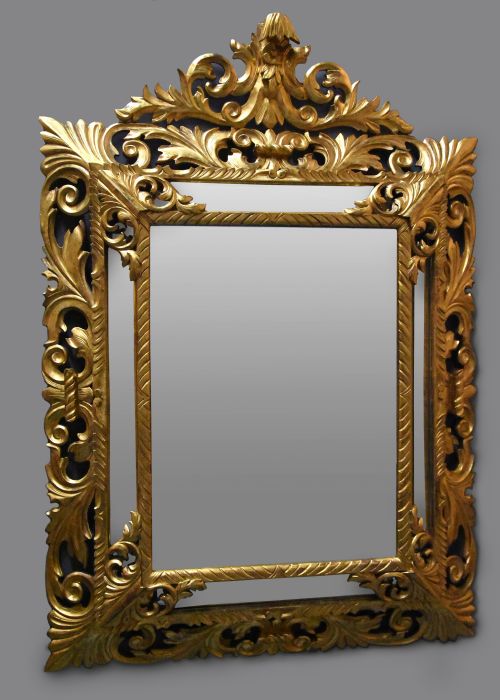
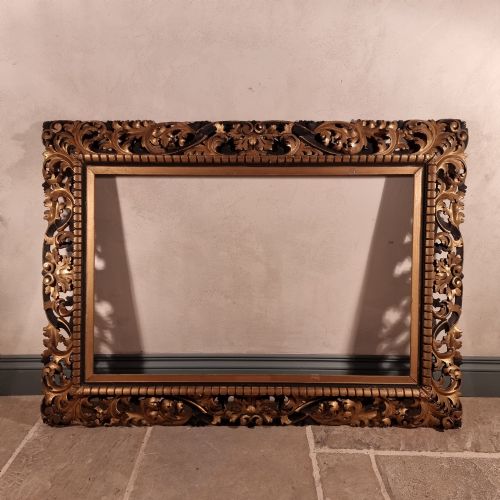
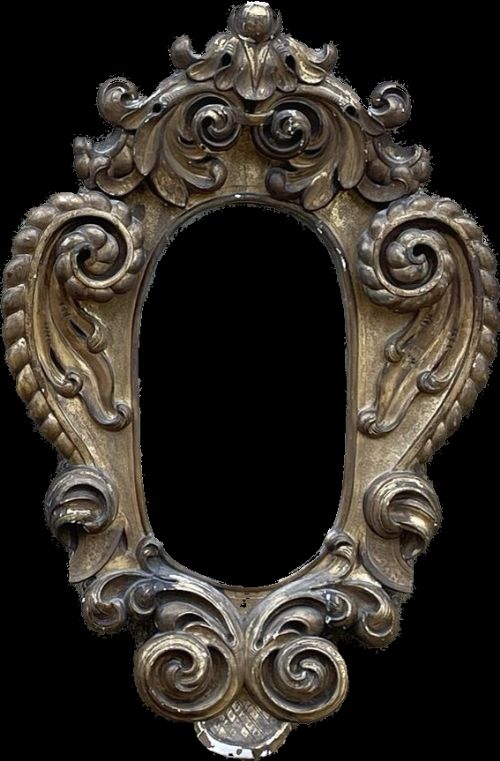
A large baroque mirror brings heavy timber frames, deep carving and gleaming gilt surfaces straight into a modern room.
Large Baroque Mirror
A large baroque mirror stands out for its grand scale and theatrical presence, capturing the dramatic spirit of seventeenth and eighteenth century design. When you search for a large baroque mirror, you encounter pieces that range from seventeenth century originals to nineteenth century revivals influenced by Italian and French workshops.
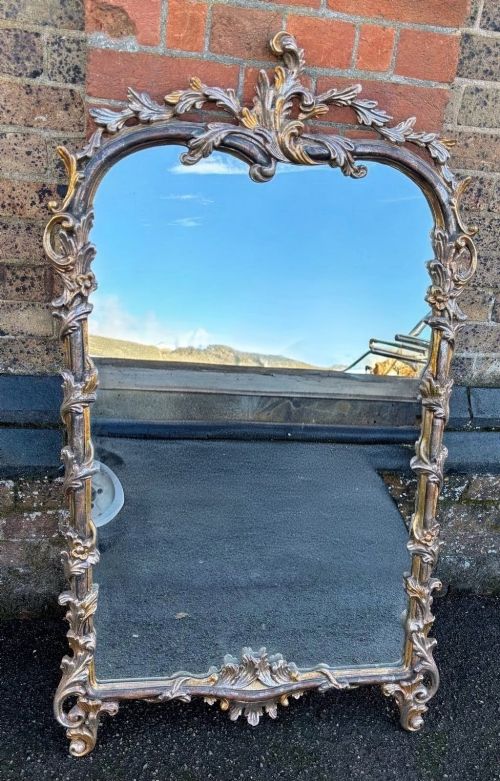
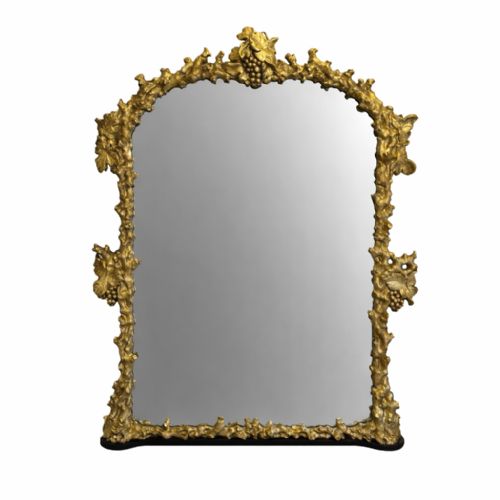
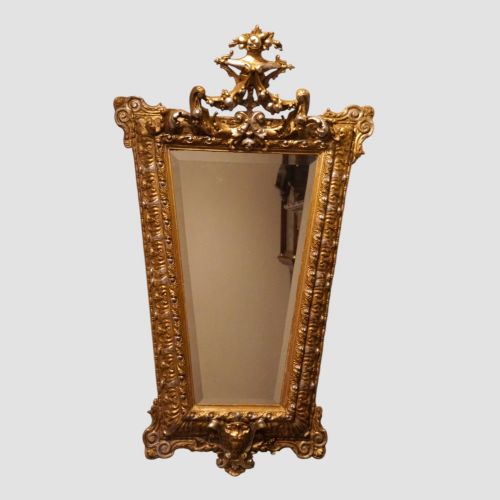
Nineteenth century revivals dominate the current range, offering the heavy giltwood and ebonised finishes of earlier centuries adapted for domestic interiors. Alongside these, occasional eighteenth century Italian pieces provide genuine historical depth for collectors.
Materials and Construction
Carved timber provides the foundational structure for these frames, often shaped from solid wood before receiving layers of gesso. Artisans built up intricate relief work in the gesso to create scrolls, fruit, and architectural mouldings.
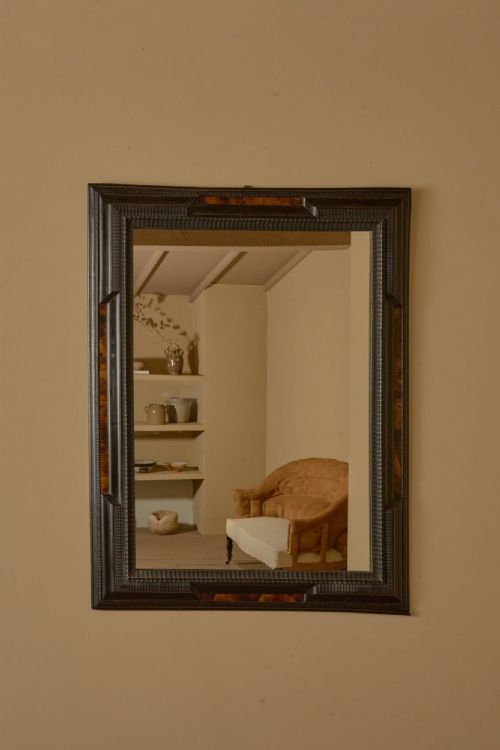
Gold leaf and silver leaf then coat the prepared surfaces, sometimes burnished to a high shine or left with a matte finish. Ebonised wood and faux tortoiseshell treatments appear on specific Italian frames, offering a striking contrast to standard gilt finishes.
Large Baroque Mirror Retail Price Guide 2026
Typical asking prices for large baroque mirror among the pieces listed under this phrase on Sellingantiques today, from the lower quarter to the upper quarter. They describe what is for sale here now, not the wider market.
Judging Quality and Craftsmanship
Depth and sharpness of the hand carving distinguish superior examples from simpler productions. Master carvers created undercut foliage and deep relief that catch the light, whereas lesser pieces rely on shallow surface moulding.
The quality of the gilding and the preparation of the underlying gesso define the visual weight of the frame. Smooth, even application of gold leaf over carefully smoothed gesso retains its brilliance across centuries.
The Large Baroque Mirror Glossary
- Giltwood
- Timber coated with thin sheets of gold leaf over a prepared base. This finish provides the characteristic metallic warmth seen on baroque frames.
- Gesso
- A mixture of gypsum and binder applied to wood to create a smooth surface for carving and gilding. It allows for crisp relief work.
- Cushion Mirror
- A frame profile featuring a broad, sloping border that swells outward towards the edge. This shape directs the eye inward towards the glass.
- Overmantel Mirror
- A wide mirror designed specifically to hang above a fireplace mantel. These pieces reflect light across the room at eye level.
- Ebonised Wood
- Timber treated with chemical stains or black finish to imitate ebony. It offers a dark, dramatic contrast against gilt details.
Large Baroque Mirror: Frequently Asked Questions
Where should I hang a large baroque mirror?
These mirrors work best on a principal wall in a hallway, dining room or living space where their substantial scale commands the room. Placing them opposite a window maximises the reflection of natural light.
Ensure the wall structure and fixings can support the considerable weight of timber and gesso frames before mounting.
How do I clean a giltwood mirror frame?
Dust the carved surfaces gently with a soft, dry brush to remove particles without disturbing the delicate gold leaf. Avoid using water, chemical sprays or abrasive cloths on gilt surfaces.
Professional restoration is recommended if the gesso or leaf begins to flake or separate from the wood base.
Are nineteenth century revival mirrors genuine antiques?
Mirrors dating from the nineteenth century are genuine antiques with their own historical value and craftsmanship. Revival pieces from this era emulate seventeenth and eighteenth century styles using traditional methods of wood carving and gilding.
Examining the construction methods, backboards and foxing on the glass helps determine the exact age of the piece.