


Large Easel
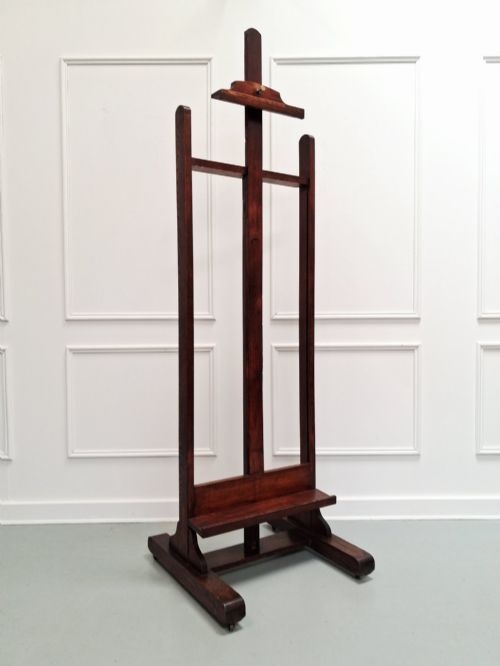
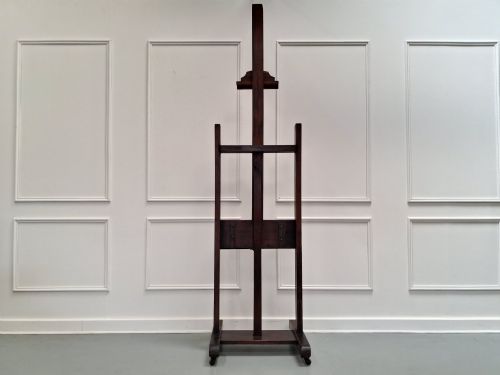
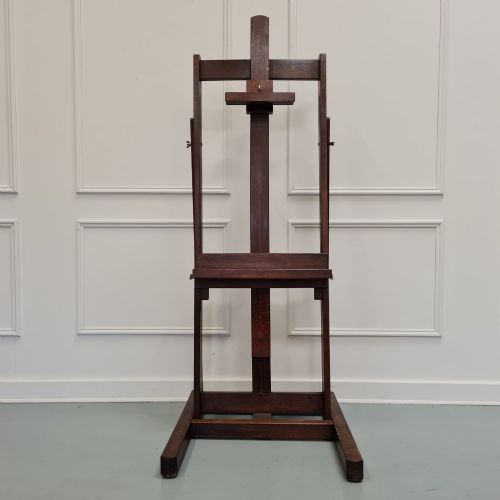
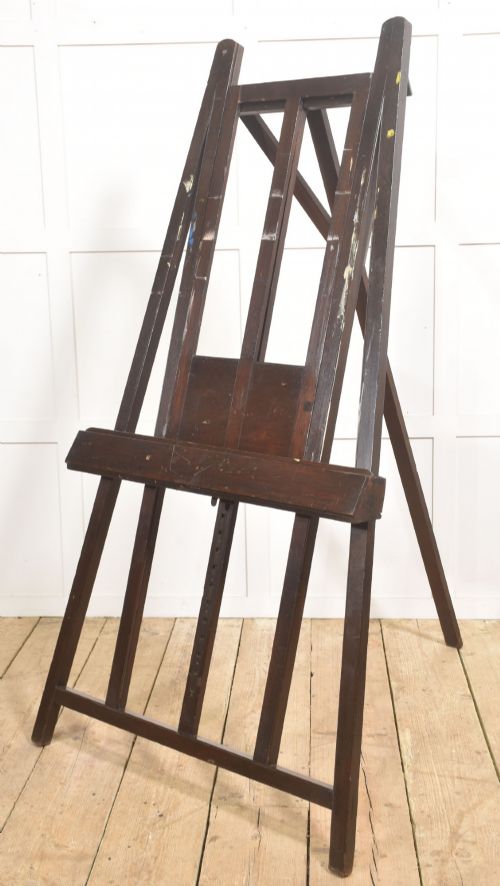
A large antique easel is a sturdy support for canvas or a grand display frame, prized for its robust woodwork and adjustable mechanical design.
Large Easel
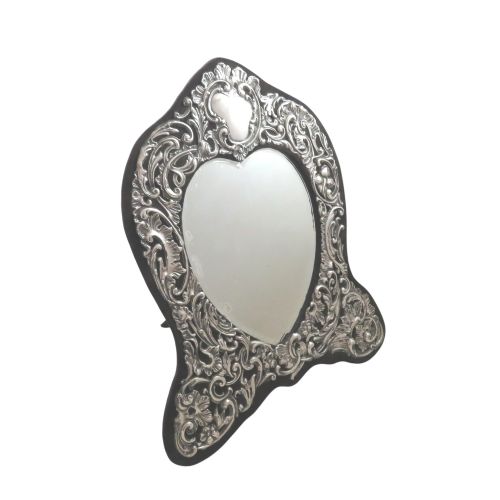
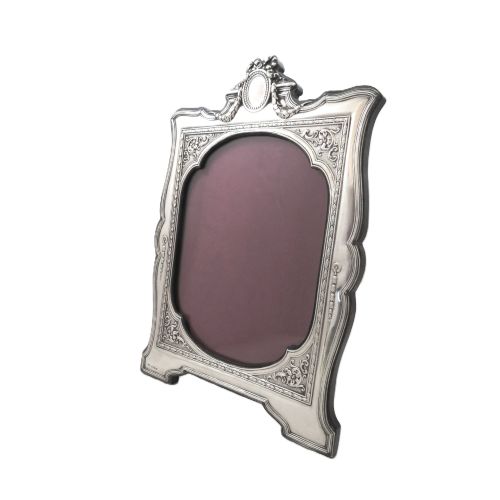
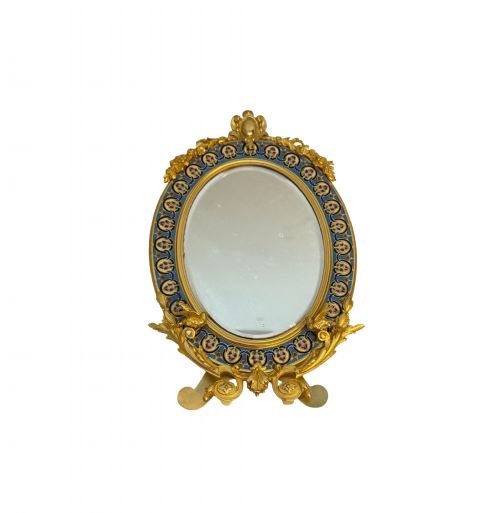
Buyers also encounter related desk and tabletop pieces under this heading, including sterling silver dressing table mirrors, porcelain easel mirrors, and gilt bronze photograph frames. These smaller decorative items share the characteristic folding rear prop that defines the easel format on a domestic scale.
Materials and construction methods
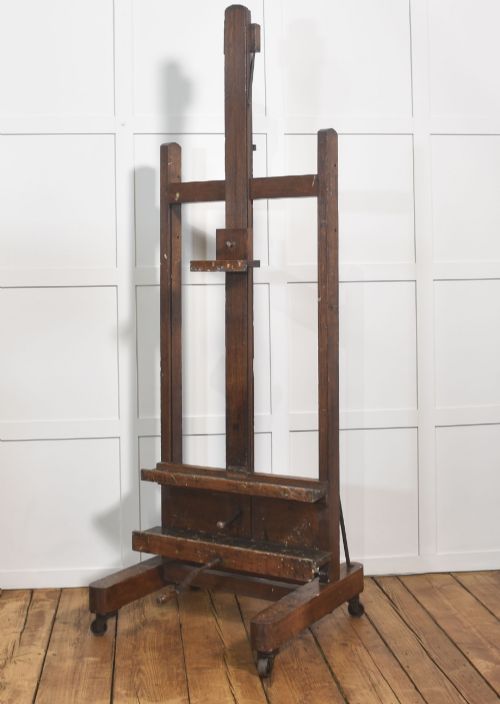
Studio models rely on heavy timbers such as oak, mahogany, and pitch pine, shaped with functional winding mechanisms, peg holes, and sliding brackets for height adjustment. These large frames are built to bear significant weight and endure rigorous use in the artist workshop.
Tabletop and display variations incorporate cast brass, gilt bronze, champleve enamel, and solid sterling silver mounted around wooden cores or velvet backs. Continental porcelain and glass also appear, showing detailed moulding and decorative metal casting.
Periods represented range from the late nineteenth century through the Edwardian era into Art Deco and 1940s designs.
What separates the finest examples
Quality rests upon the integrity of the adjustable mechanisms, the weight and grain of the timber, and the crispness of any cast metal ornamentation. Studio pieces with smoothly operating winch systems and original brass winding handles demonstrate superior workshop execution.
For silver and bronze display pieces, the distinction lies in the depth of the repoussé work, the preservation of the gilding, and the original integrity of the structural struts and easel backs.
Henry Matthews·Smiths Clockmakers·William Comyns
The Large Easel Glossary
- Studio easel
- A heavy, floor-standing wooden frame used by painters to hold large canvases at a workable height. These items feature adjustable pegs, ratchet mechanisms, or winding handles.
- Sterling silver
- A silver alloy containing 92.5 percent pure silver by mass, frequently utilised for the outer frames of large tabletop mirrors and photograph frames.
- Champleve
- An enamelling technique where troughs or cells are carved into the surface of a metal object and filled with vitreous enamel before firing.
- Pitch pine
- A resinous North American pine species utilised for sturdy furniture and large architectural studio items due to its durability and distinct grain.
- Repoussé
- A metalworking technique where a malleable metal is hammered from the reverse side to form a raised design in relief on the front.
Large Easel: Frequently Asked Questions
How do I adjust a studio easel?
Most large studio models utilise a central wooden ratchet mechanism or metal winding handle connected to a sliding bracket. Turn the handle or lift the locking peg to raise or lower the central shelf supporting the canvas.
Ensure the weight of the canvas is supported by hand while releasing the mechanism to prevent sudden slipping or damage to the antique timber frame.
How do I care for silver easel frames?
Dust sterling silver frames gently with a soft microfibre cloth and avoid harsh chemical dips that strip the aged patina from the recessed decorative details. Apply a specialist silver polish sparingly only when necessary, keeping polish away from velvet or wooden backing materials.
Check the hinge pins and folding rear struts periodically to ensure the weight of the mirror or frame does not strain the joint over time.
How can I tell a nineteenth-century easel apart from a later copy?
Examine the construction joints, timber grain, and metal components for signs of traditional manufacturing methods such as hand-cut threads, pegged joints, and heavy cast brass hardware. Nineteenth-century studio pieces show natural wear and tool marks consistent with utilitarian workshop use.
Later reproductions often feature uniform machine milling, modern screws, and lack the deep patina acquired through decades of studio or domestic handling.