

Large Bureau
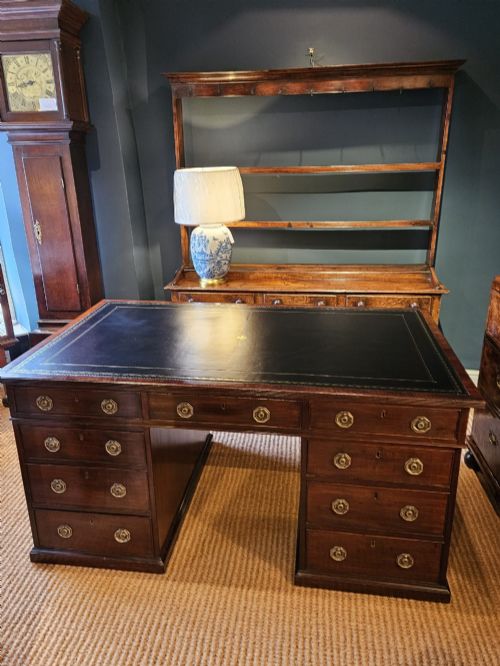
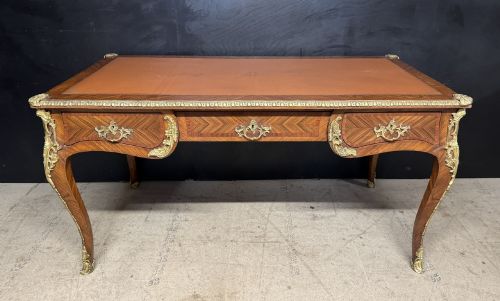
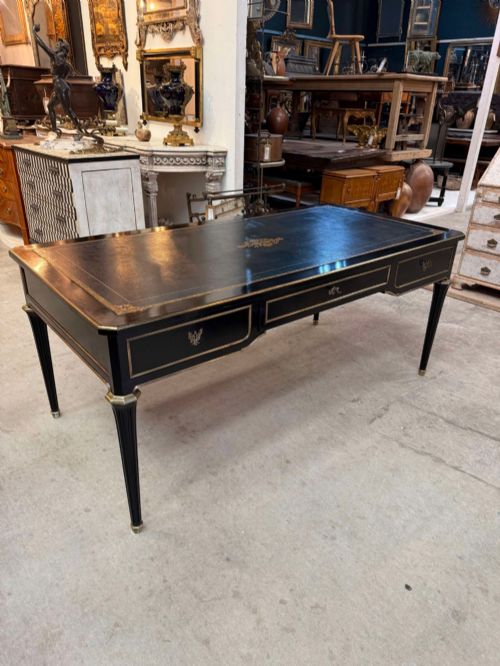
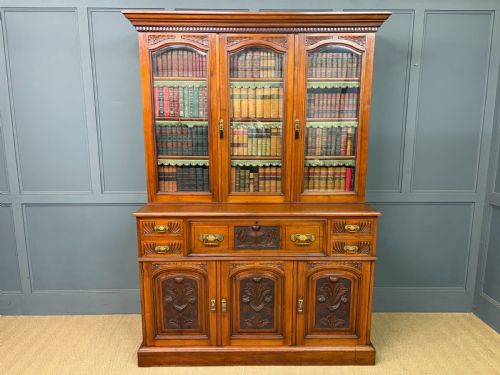
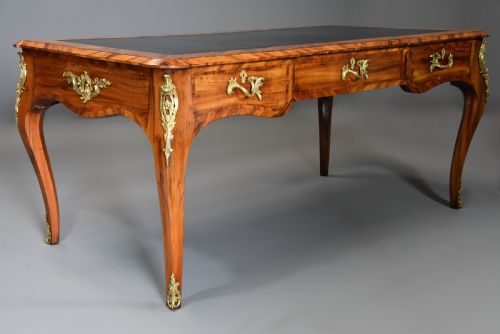
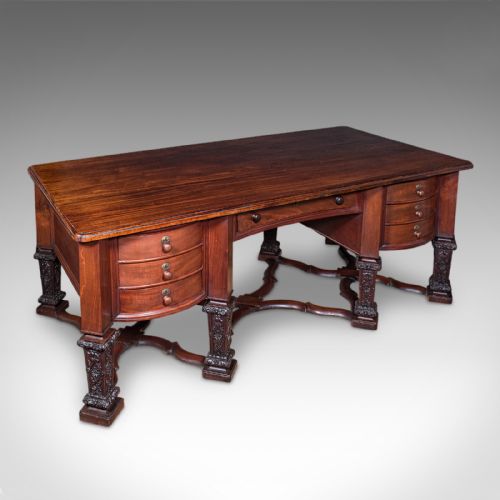
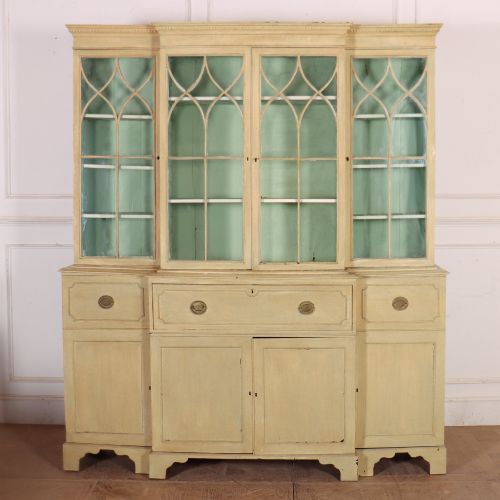
A large antique bureau provides substantial workspace and fitted storage, combining timber construction with fold-down writing flaps.
Large Bureau
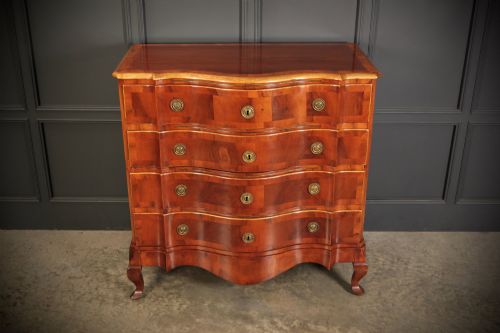
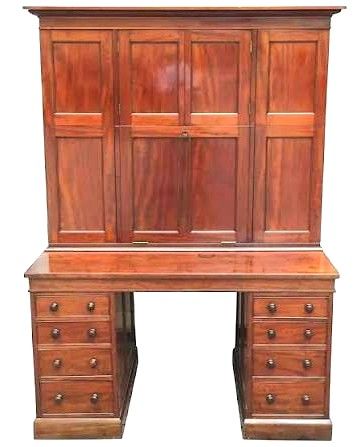
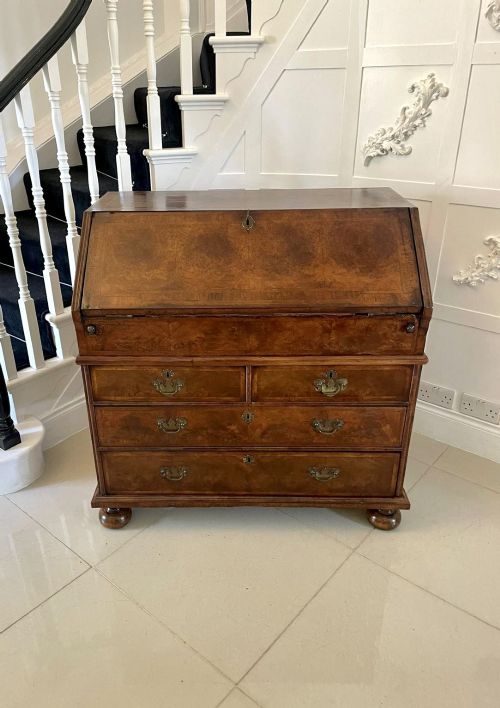
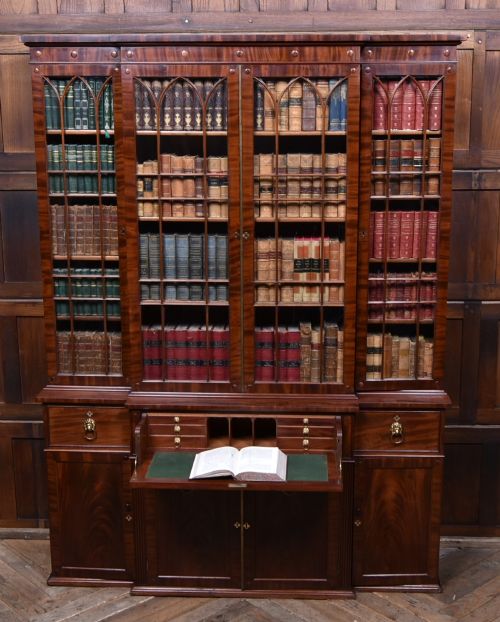
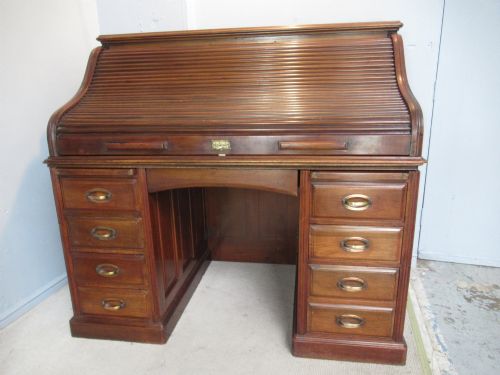
A large antique bureau combines a practical writing surface with deep storage drawers, originating from periods spanning the seventeenth through to the twentieth century. These pieces emerge in styles ranging from Georgian and Regency to Victorian and Edwardian, reflecting the domestic and office requirements of past centuries.
The selection includes fall-front writing cabinets, cylinder desks, and secretaire bookcases constructed in regional workshops and larger establishments. Oak, mahogany, and walnut dominate the forms, frequently paired with fitted interior compartments for paperwork and correspondence.
Materials and construction methods
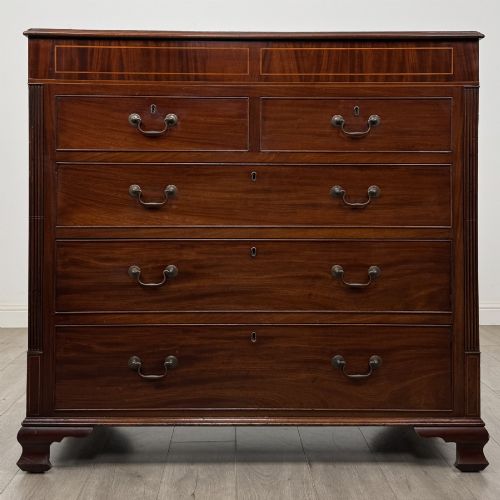
Cabinet makers utilised dense hardwoods such as mahogany, oak, and walnut, often applying veneers and herringbone inlay to flat surfaces and drawer fronts. Pine appears frequently in secondary framing and carcass construction, particularly within country house and regional pieces.
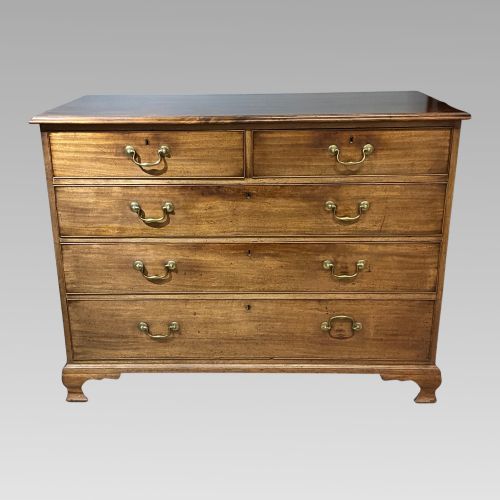
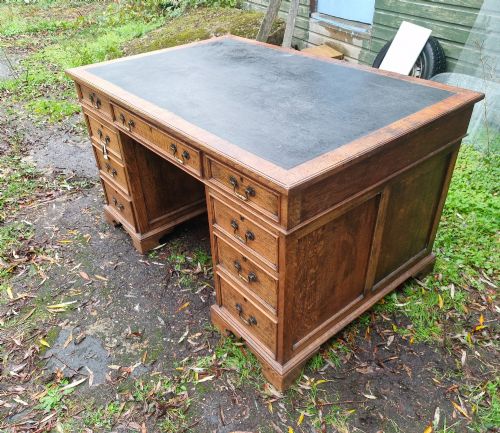
Brass handles, escutcheons, and hinges secure the moving parts, while glass panels define the upper sections of bookcases. Leather inserts frequently line the writing surfaces of desks and bureau plats, secured with blind tooling.
Large Bureau Retail Price Guide 2026
Typical asking prices for large bureau among the pieces listed under this phrase on Sellingantiques today, from the lower quarter to the upper quarter. They describe what is for sale here now, not the wider market.
Secret compartments hidden behind sliding pigeonhole panels reward owners who investigate every nook of their antique writing desk.
Assessments of quality
The grade of a piece rests upon the selection of timber figures, such as flame mahogany or burr walnut, and the precision of the joinery within the drawer linings and internal pigeonholes. Superior examples retain original brass hardware and well-figured grain matching across the fall-front or cylinder mechanism.
Construction depth and proportion dictate stability in larger formats, where secondary woods and back panels should show consistent ageing. The complexity of fitted internal drawers and secret compartments also separates standard utility items from finer domestic furniture.
The Large Bureau Glossary
- Fall-front
- A hinged writing flap that drops forward to create a horizontal desk surface, concealing internal pigeonholes and small drawers when closed.
- Secretaire bookcase
- A tall cabinet combining an upper shelved bookcase section with a central drawer or flap that opens to reveal a writing desk.
- Bureau mazarin
- A grand kneehole desk configuration featuring a central recessed cupboard flanked by banks of drawers, associated with late seventeenth and eighteenth-century cabinet work.
- Cylinder desk
- A writing desk featuring a curved, quarter-circle wooden shutter that rolls backward to open the desk space.
- Herringbone inlay
- A decorative banding technique where small pieces of veneer are laid in a V-shaped pattern resembling fish bones.
Large Bureau: Frequently Asked Questions
How do I use a bureau daily?
Lower the fall-front flap to reveal the internal compartments and utilise the flat surface for writing or laptop placement. Close the flap when finished to conceal papers and maintain a tidy room.
Store stationery and documents within the internal pigeonholes and small drawers. The lower chests provide ample capacity for household linens or bulk storage.
What woods were used for bureaus?
Cabinet makers predominantly selected mahogany, oak, and walnut for primary visible surfaces. These dense timbers offered durability and took fine finishes.
Secondary woods like pine appear in drawer linings and backboards, particularly on regional or later pieces. Exotic veneers such as goncalo alves occasionally highlight high-status models.
How do I date an old bureau?
Examine the timber species, construction methods, and hardware styles to establish a period. Georgian pieces often feature oak linings and bracket feet, while Victorian examples display heavier proportions and mahogany or walnut.
Inspect the drawer dovetails and backboards for hand-cut tool marks versus later mechanical production. Secondary woods and handle fixings provide further clues regarding manufacturing decades.
Are these desks suitable for laptops?
Most large writing surfaces accommodate modern laptops comfortably when the fall-front or cylinder top is open. Measure the internal depth of the writing platform before purchase to ensure adequate clearance.
Ensure the hinges and support lopers of the drop-front are structurally sound to bear modern weights. Many historical writing heights align well with standard contemporary chairs.