



Landscape on Board
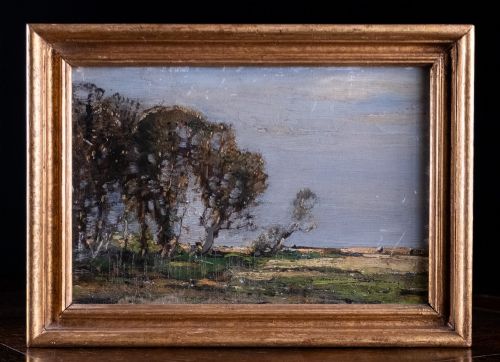
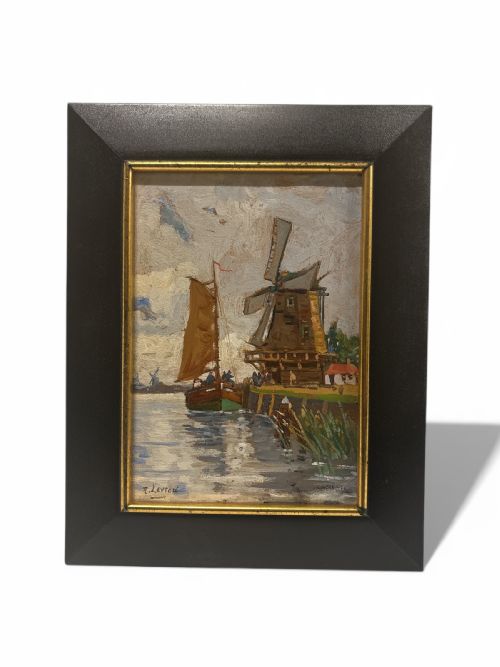
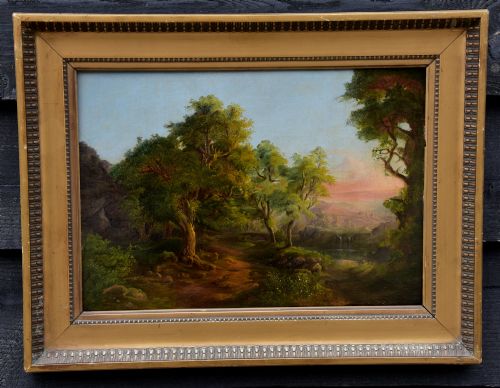
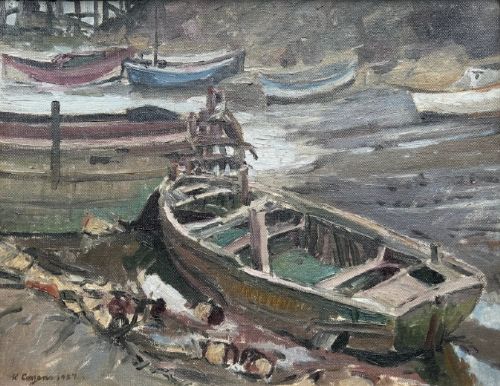
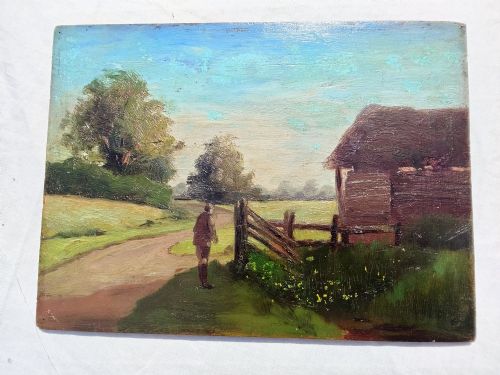
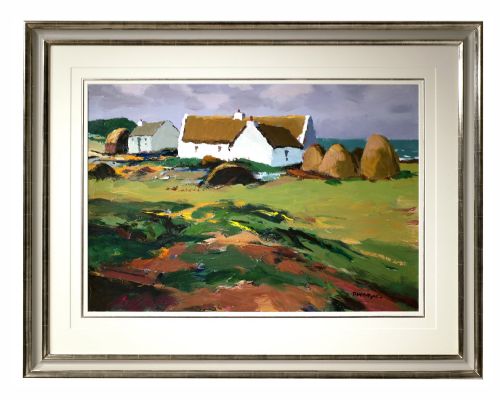
A landscape on board delivers immediate pigment and direct handling, capturing open air and rural views on a rigid wooden panel.
Landscape on Board
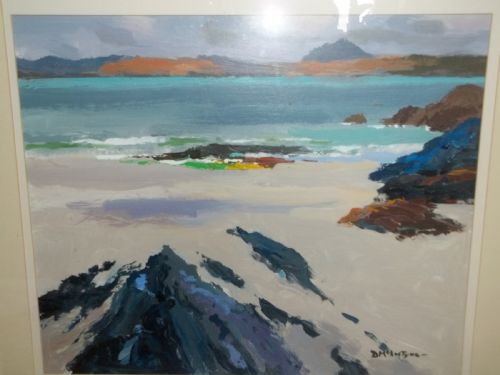
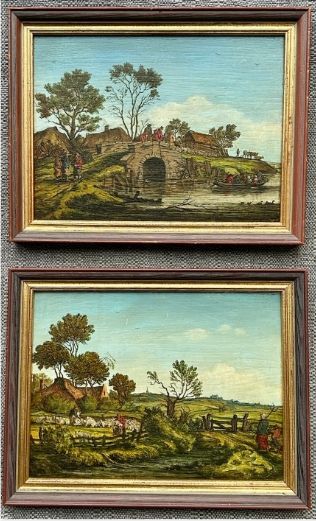
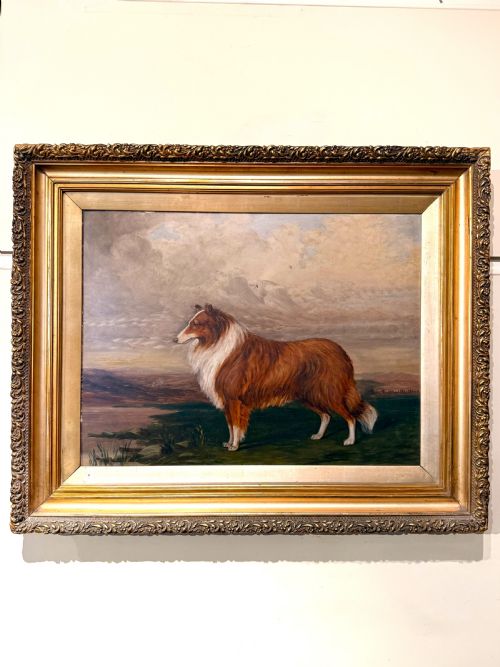
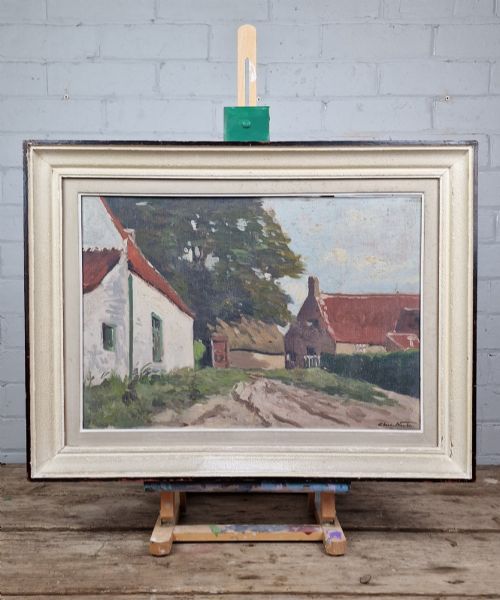
A landscape on board presents an outdoor scene painted directly onto a rigid wooden panel or compressed board rather than stretched fabric. Buyers searching this phrase encounter works ranging from 19th-century rural studies to mid-20th-century impressionist coastal views.
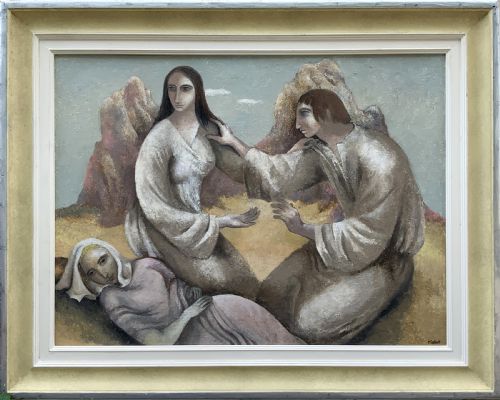
The format appeals to collectors who appreciate a direct connection to the artist's hand, as the rigid support permitted vigorous brushwork and thick impasto. Works from the Victorian and Edwardian eras share shelf and wall space with later modernist interpretations.
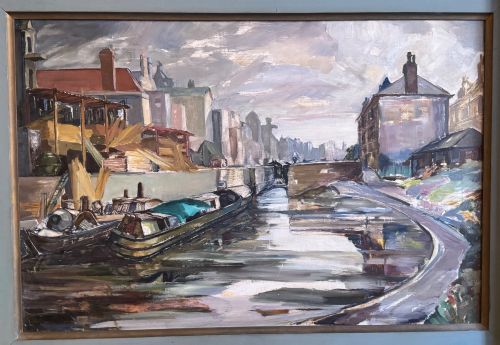
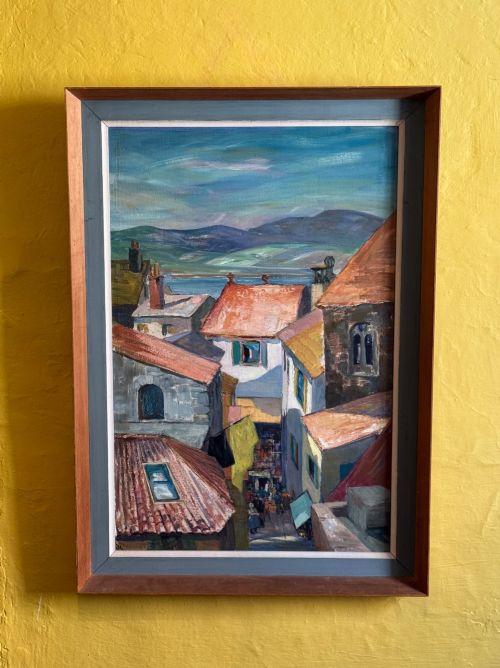
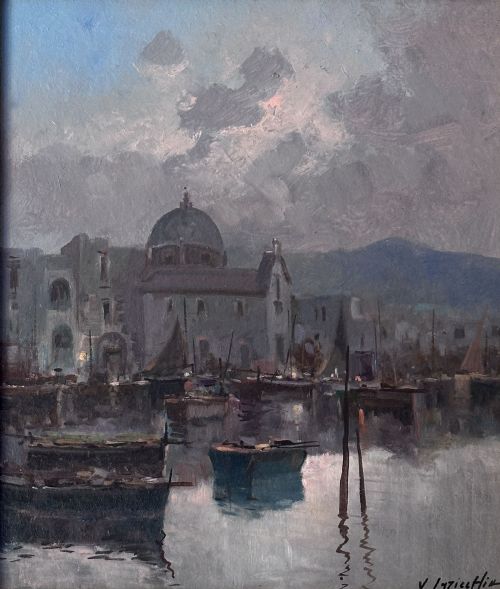
Most examples found here span the nineteenth and twentieth centuries, encompassing British Impressionism, Post-Impressionism, and mid-century regional schools. These paintings capture ports, farmyards, canals, and woodlands with swift immediacy.
Materials and construction
Artists painted primarily with oil paint on wooden boards, panels, or prepared card, sometimes applying a gesso ground to seal the rigid surface before working. The non-flexible support allowed painters to apply heavy impasto and scrape back the pigment without the bounce associated with stretched canvas.
Frames of gilt wood frequently house these works, protecting the edges of the panel and complementing the palette of the oil paint within. Canals, harbours, and fields emerge through layered strokes of oil, occasionally accompanied by textured media or heavy opaque gouache.
Landscape on Board Retail Price Guide 2026
Typical asking prices for landscape on board among the pieces listed under this phrase on Sellingantiques today, from the lower quarter to the upper quarter. They describe what is for sale here now, not the wider market.
Several artists packed boards into their bags alongside sandwiches, heading out to brave coastal gales just to catch the spray.
Assessing quality
Quality rests upon the sureness of the brushwork and the artist's command of light within the restricted dimensions of the panel. Superior examples display confident tonal transitions and atmospheric depth that make small boards feel expansive.
The handling of the pigment distinguishes accomplished academic or impressionist works from hurried sketches. Careful preparation of the board and stable adhesion of the oil paint over decades also separate enduring cabinet pieces from unstable panels.
Evelyn Harris·Robert Duddingstone Herdman·Donald McIntyre·Kenneth Cozens·Kershaw Schofield·Charles Houben·Christine Nesbit·John Lowrie Morrison·Erich Mercker·John Moore of Ipswich·Stuart Walton·Florence Adelina Hess·Alexander Jamieson·Philip Rideout·T C Hofland·Miles Birkett Foster·Everett Watson Mellor·George Morland·Joan Gillchrest·James Fry·William JB Jenkins
The Landscape on Board Glossary
- Board
- A rigid flat support made of wood, panel, or compressed material used instead of canvas. Artists favored it for its stability and resistance to puncture during plein air painting.
- Impasto
- Paint applied thickly to a surface, standing out in relief from the board. This technique leaves visible brush or palette knife marks that catch the light.
- Gesso
- A white paint mixture consisting of a binder mixed with chalk, gypsum, or pigment. It prepared wooden boards to receive oil paint by sealing the porous grain.
- Plein air
- Painting outdoors to capture direct observations of natural light and scenery. Landscape on board works were frequently executed in this immediate manner.
Landscape on Board: Frequently Asked Questions
Why did artists paint on boards instead of canvas?
Rigid boards provided a sturdy surface that required no stretching and could easily be carried outdoors for painting on location. Painters valued the firm resistance when applying heavy brushstrokes.
Panels also occupied less space in an artist's studio and resisted the punctures or tears that vulnerable woven textiles experienced over time.
How do I date a landscape on board?
Dating relies upon the costume, architecture, or transport depicted in the scene, alongside the framing style and the physical composition of the board itself. Pigment analysis and signatures also point toward specific decades.
Nineteenth-century examples often feature smoother panel preparations, while mid-century modernist works display looser handling and distinctive board stamps.
How should I frame and display these paintings?
These works look best in shallow wooden or gilt frames that respect the modest depth of the board without overwhelming the painted surface. Natural light enhances the textured impasto.
Keep them away from direct sunlight and damp environments to protect the wooden support and prevent the oil paint from cracking.
Are these paintings finished works or mere sketches?
Many panels function as complete finished pieces intended for exhibition, while others began as rapid on-site studies for larger studio canvases. Both categories hold equal standing among collectors.
Signed works and those with detailed provenance often indicate that the artist considered the panel a finished statement.