



Lalique Paperweight Figurine
A lalique paperweight figurine brings the sculptural grace of the early twentieth century to the desk through glass and crystal.
Lalique Paperweight Figurine
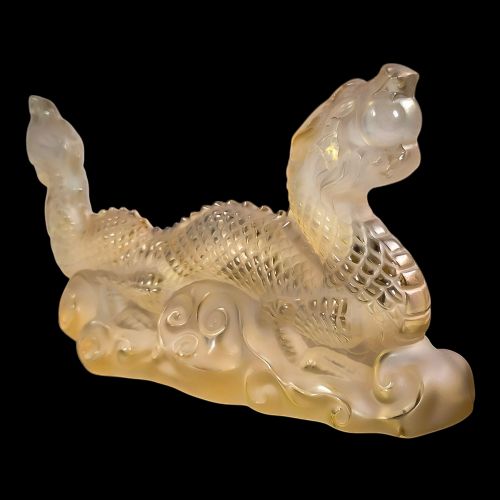
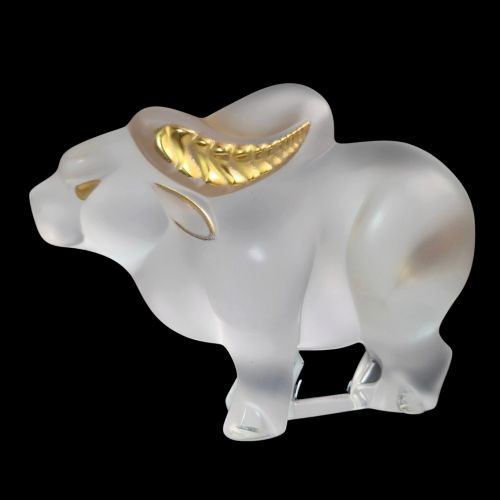
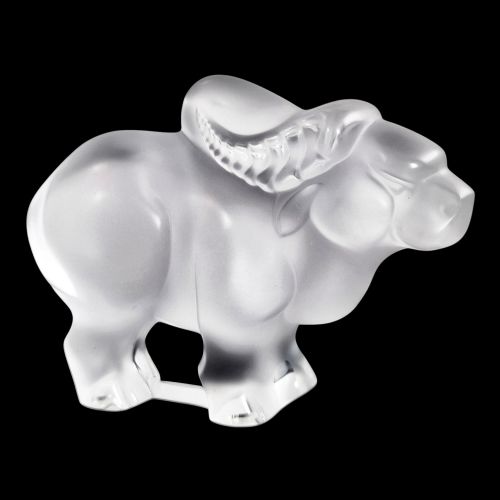
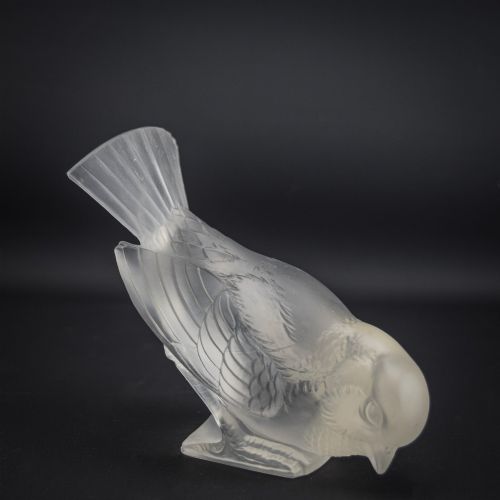
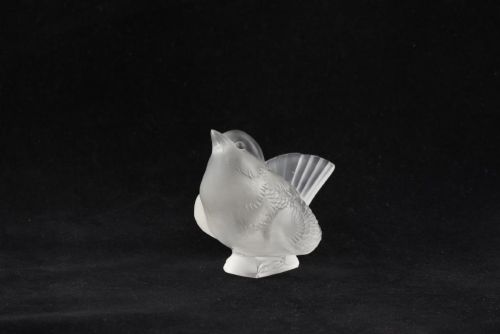
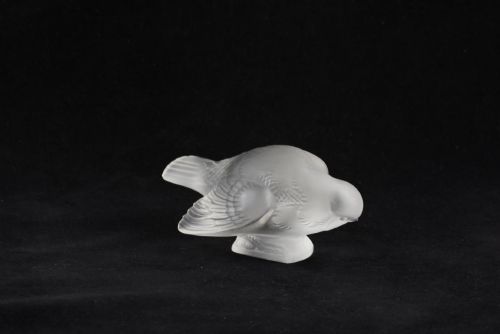
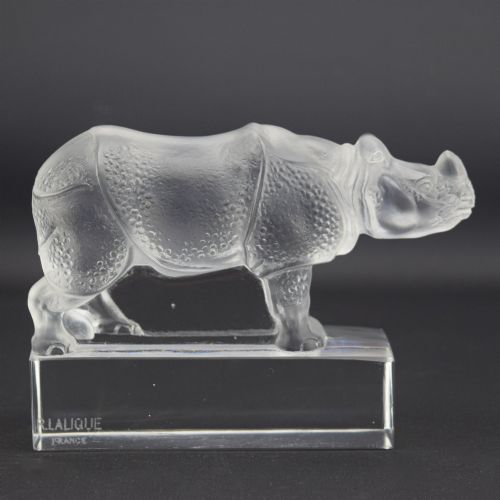
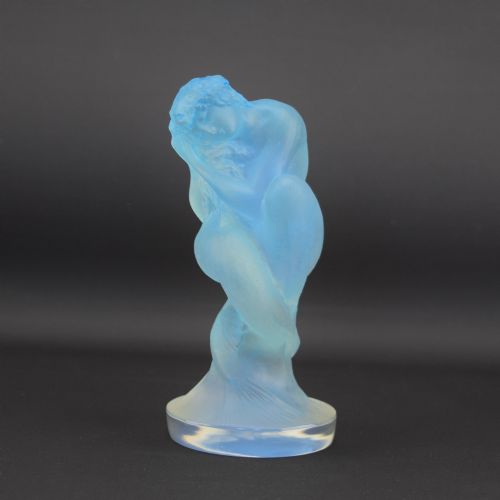
The search for a lalique paperweight figurine opens up a remarkable world of miniature glass sculpture, desk seals, and car mascots that double as display pieces. Buyers encounter various animal and human forms, from sparrows and elephants to mythological figures.
The most common examples on this page date from the nineteen-twenties and thirties, representing the peak of the Art Deco movement. These works translate high sculptural ambition into intimate, tactile objects intended for daily utility and display.
Materials and Techniques
Production relies heavily on moulded glass, crystal, and opalescent glass, capturing light with subtle shifts in translucency. Artisans also utilised clear glass and stained finishes to accentuate the depth of the modelled forms.
The finishing process often involved surface staining in blue or topaz tones to highlight the intricate details of feathers, flora, and musculature. This mastery of texture distinguishes the production from standard commercial glasswork of the era.
Lalique Paperweight Figurine Retail Price Guide 2026
Typical asking prices for lalique paperweight figurine among the pieces listed under this phrase on Sellingantiques today, from the lower quarter to the upper quarter. They describe what is for sale here now, not the wider market.
Wild boars, sparrows, and elephants share desk space here, proving that early twentieth-century paperwork required a menagerie.
Assessing Quality and Merit
The sophistication of the subject and the integration of the glass body with its base also dictate the standing of a piece. Stronger works display a dynamic tension in the animal or human posture that elevates them beyond simple desk accessories.
Rene Lalique
The Lalique Paperweight Figurine Glossary
- Opalescent Glass
- Glass containing specific chemical agents that diffuse light, making it appear blue by reflected light and warm yellow or orange by transmitted light. This property gives Lalique figures their characteristic ethereal glow.
- Car Mascot
- An ornamental figurine mounted on the radiator cap of an automobile during the early twentieth century. Many of these sturdy glass sculptures later found new life as desk paperweights.
- Moulded Glass
- A technique where molten glass is pressed into a metal or wooden form to create defined shapes and relief patterns. It allows for the consistent reproduction of complex sculptural details.
- Cachet
- A small desk seal or stamp carved on the underside for pressing into hot wax. These items combine practical stationery use with miniature sculptural art.
- Socle
- A short plinth or pedestal supporting a sculpture or figurine. It provides a stable base and visually elevates the main glass subject.
Lalique Paperweight Figurine: Frequently Asked Questions
What are these glass figures?
These pieces are miniature sculptures, desk seals, and car mascots produced in glass during the early decades of the twentieth century. They serve both decorative and functional roles as paperweights.
Created during the height of the Art Deco and Art Nouveau movements, they represent the intersection of fine art sculpture and decorative glass manufacturing.
How were they used originally?
Many items began as automobile hood ornaments designed to cut through the wind while displaying artistic flair on the front of a car. Others were created specifically as desk accessories to hold down correspondence or seal letters with wax.
Over time, owners transitioned these robust glass objects from practical duties into cabinet displays and desk ornaments.
How do I identify the period?
Dating relies on the stylistic markers of Art Nouveau and Art Deco, alongside the specific glass formulations and finishing techniques characteristic of the early nineteen-hundreds. Pieces from the twenties and thirties often exhibit distinct moulding styles and signature colour effects.
Examining the subject matter, such as stylised fauna or mythological figures, also helps anchor the piece within its decade of origin.
How do I care for my figurine?
Display the piece away from direct, harsh sunlight to protect any surface treatments and avoid sudden thermal shocks. Gentle dusting with a soft cloth maintains the clarity and finish of the glass.
Handle the object with clean hands to prevent oils from settling into the textured or frosted recesses of the material.