



Lalique Figure
These lalique figure pieces combine glasswork and sculpture from the early decades of the twentieth century to bring sculptural elegance to any room.
Lalique Figure
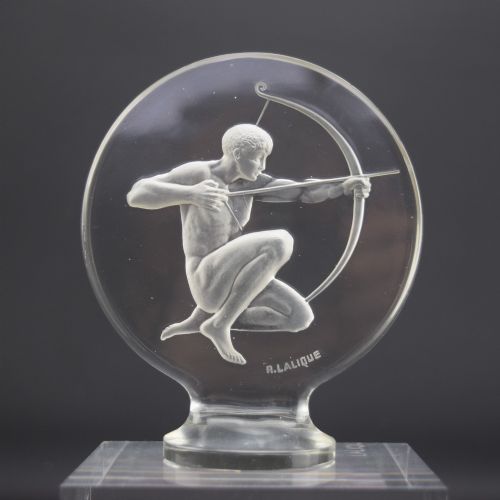
A lalique figure represents the intersection of sculptural form and decorative glass artistry from the early twentieth century. When exploring this category, buyers encounter diverse forms ranging from animal paperweights to human statuettes and car mascots.
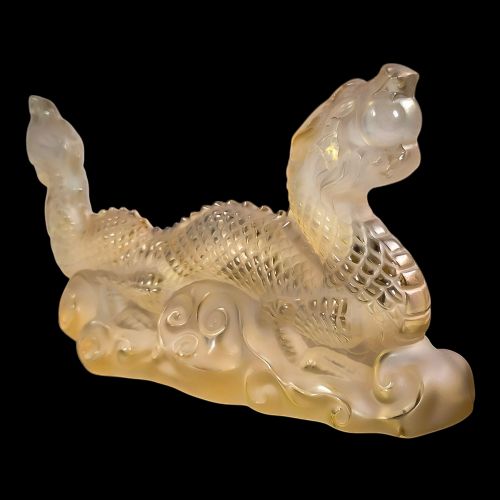
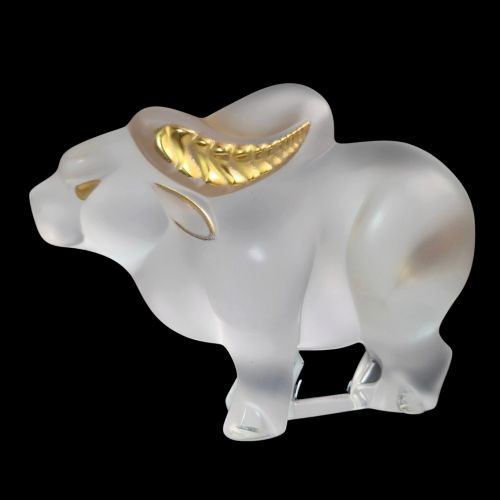
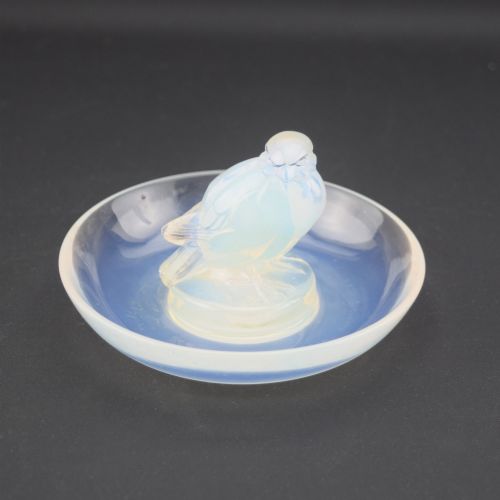
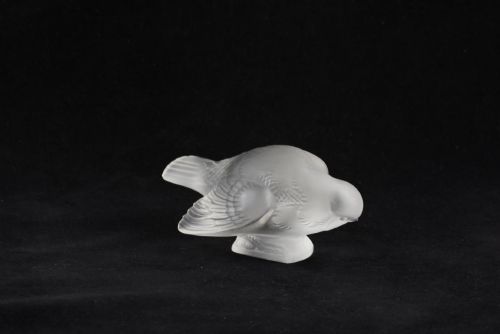
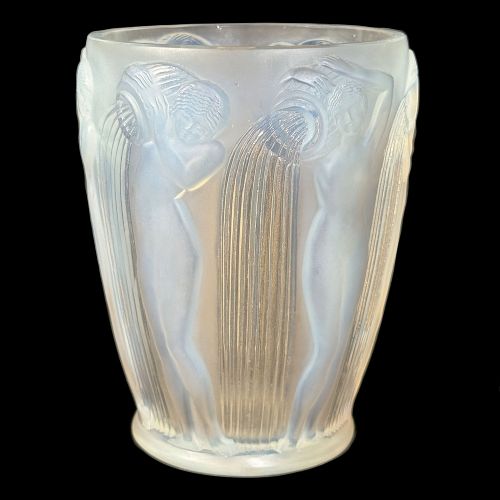
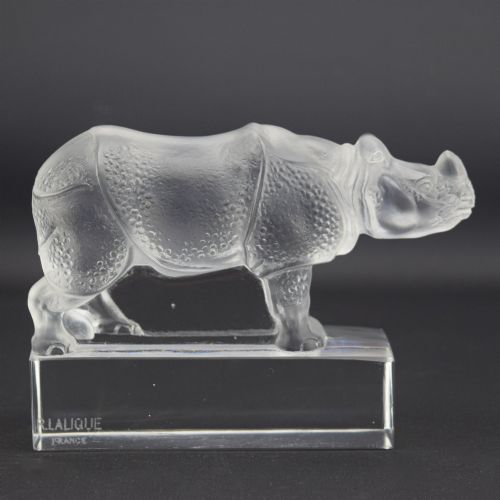
The objects seen here span the Art Nouveau and Art Deco periods, capturing the stylistic shifts from the 1910s through the 1930s. Animal subjects such as sparrows, elephants, and rhinoceroses appear alongside female statuettes and decorative vessels.
Most pieces date to the 1920s and 1930s, reflecting the height of modernist design and moulded glass production. These works function simultaneously as utilitarian objects, such as ashtrays and paperweights, and as pure sculptures.
Materials and Techniques
Makers utilised frosted glass, clear glass, opalescent glass, and moulded crystal to achieve varied optical effects and textures. Some works incorporate secondary materials such as silvered metal mounts and black marble bases.
Lalique Figure Retail Price Guide 2026
Typical asking prices for lalique figure among the pieces listed under this phrase on Sellingantiques today, from the lower quarter to the upper quarter. They describe what is for sale here now, not the wider market.
Listings span the 1910, 1920, and 1930 periods, incorporating frosted, clear, and opalescent glass alongside black marble and silvered metal.
Assessing Quality
Quality in these pieces rests upon the crispness of the moulding and the subtlety of the glass finish, whether opalescent or frosted. The interplay of light across the moulded surfaces dictates the visual success of the sculpture.
The refinement of the underlying design and the complexity of the subject, from intricate human figures to naturalistic animal forms, separate standard production pieces from more ambitious sculptural works.
Rene Lalique
The Lalique Figure Glossary
- Opalescent glass
- Glass that diffuses light to display a milky or bluish iridescence. This property shifts in appearance depending on the angle of illumination.
- Frosted glass
- Glass treated to create a textured, matte surface finish. It softens highlights and obscures the interior structure of the piece.
- Car mascot
- A sculptural ornament mounted on the radiator cap of an automobile. These pieces served as aerodynamic hood ornaments during the vintage motoring era.
- Moulded crystal
- Glass shaped under pressure within a metal or ceramic form. This technique allowed for repeatable production of complex sculptural silhouettes.
- Socle
- A short plinth or pedestal supporting a sculpture or paperweight. It provides a stable base and elevates the main figure.
Lalique Figure: Frequently Asked Questions
What is a lalique figure?
A lalique figure is a moulded glass sculpture, paperweight, or mascot produced during the early twentieth century. These objects range from naturalistic animal depictions to stylised human statuettes.
Created using advanced glassmaking techniques, they serve as both decorative art and functional desktop items.
How do I date a lalique figure?
Dating relies on stylistic markers from the Art Nouveau and Art Deco periods, alongside the specific motifs used. Pieces from the 1910s often show softer organic lines, while 1920s and 1930s examples embrace geometric modernism.
Documentation of signature styles and known production years helps narrow down the era of manufacture.
Where were these glass figures used?
Owners originally placed these items on desks as paperweights, on dressing tables, or mounted them onto automobile radiators as mascots. Their compact sizes suited domestic display in cabinets and on mantelpieces.
Today, collectors exhibit them in dedicated display cases to appreciate their optical qualities.
What materials are common in these sculptures?
The primary material is glass, manipulated into frosted, clear, opalescent, or moulded crystal finishes. Secondary elements such as black marble and silvered metal occasionally appear as bases or mounts.
Staining is also utilised on specific surfaces to accentuate the sculptural details.