

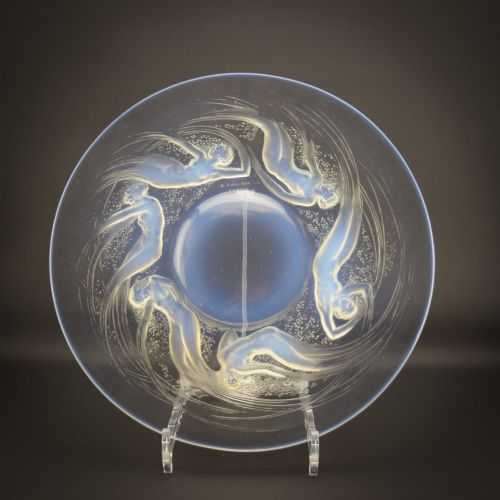


Lalique Decorative Plate
Lalique decorative plate designs bring master-crafted pressed and blown glass into the home, offering striking centrepieces for collectors of early twentieth-century decorative arts.
Lalique Decorative Plate
A lalique decorative plate brings together the refined aesthetics of the Art Deco and Art Nouveau periods, taking the form of shallow bowls, salvers, and flat chargers. These objects showcase distinct sculptural motifs moulded directly into the glass body rather than applied afterwards.
The pieces appearing here span the early decades of the twentieth century, specifically drawing from the nineteen-twenties and nineteen-thirties. Collectors most frequently encounter moulded glass and opalescent glass forms that carry specific naturalist or mythological titles.
Moulded decorative dishes and plates serve primarily as display items rather than utilitarian tableware. Their distinctive profiles and surface textures reflect the artistic output of a renowned French glassmaker working during the interwar years.
How they were made
Makers utilised heavy press-moulding techniques to shape thick glass blanks while hot, ensuring deep relief for motifs such as fish, flora, and figures. This process required precise temperature control to achieve structural stability across large salvers and shallow bowls.
Opalescent glass creates a milky, translucent quality that shifts between blue and amber tones depending on the light source. Selected pieces also incorporate sepia staining rubbed into the recesses of the moulded design to accentuate the contrast against clear or frosted surfaces.
Lalique Decorative Plate Retail Price Guide 2026
Typical asking prices for lalique decorative plate among the pieces listed under this phrase on Sellingantiques today, from the lower quarter to the upper quarter. They describe what is for sale here now, not the wider market.
Listings show two distinct periods: the nineteen-twenties and the nineteen-thirties, encompassing both Art Nouveau and Art Deco aesthetic movements.
What varies in quality
The clarity and depth of the moulded relief define the visual success of each plate, with superior examples maintaining crisp lines across complex figurative details. Softer contours often indicate worn moulds or secondary production runs that lack the sharpness of the original creator's vision.
The intensity of the opalescent effect and the skilful application of sepia staining dictate the aesthetic presence of the glass. Well-executed staining highlights the naturalistic subjects effectively, whereas uneven or faded coloration diminishes the intended tonal contrast.
Rene Lalique
The Lalique Decorative Plate Glossary
- Opalescent glass
- Glass that diffuses light to display milky, iridescent blue and orange tones. This optical effect occurs through specific chemical additions during the melting process.
- Sepia stain
- A dark brownish pigment applied to the recessed areas of moulded glass. It creates visual depth by contrasting against the frosted or clear body.
- Moulded glass
- Glass shaped by pressing molten material into a metal or wooden form. This technique allows for consistent reproduction of intricate decorative reliefs.
- Salver
- A flat ornamental tray or large plate used for display. These pieces usually feature raised borders and decorative rims.
- Art Deco
- A design style dominant in the nineteen-twenties and nineteen-thirties characterised by stylised motifs and geometric symmetry. It succeeded the more organic curves of Art Nouveau.
Lalique Decorative Plate: Frequently Asked Questions
What are Lalique decorative plates made from?
These items consist primarily of heavy moulded glass, frequently featuring opalescent properties that catch and scatter ambient light. Some examples incorporate contrasting sepia staining to emphasise the underlying sculptural details.
Craftsmen shaped the material while hot using specialised press-moulding techniques designed to achieve deep, tactile relief across the surface.
How were these decorative plates used?
Owners typically displayed these pieces on walls, inside cabinets, or flat on surfaces as ornamental salvers rather than utilising them for dining. Their sculptural qualities made them focal points in early twentieth-century interiors.
The shallow profile and prominent rim designs were chosen to showcase figurative and abstract motifs rather than to hold food.
How do I date a glass plate?
Dating relies heavily on stylistic indicators, transitioning from the organic fluidity of Art Nouveau to the geometric styling of Art Deco across the early twentieth century. Examining the specific motif and registration details helps place the object within the nineteen-twenties or nineteen-thirties.
Makers often assigned specific catalogue numbers and titles to their plates, which assists in confirming the production era.
How do I care for antique glass?
Cleaning requires gentle hand washing with lukewarm water and mild soap, avoiding abrasive cloths that might scratch the delicate surface or wear down stained areas. Proper support when moving heavy moulded glass plates prevents accidental drops.
Keeping them away from direct sunlight and extreme temperature fluctuations preserves the integrity of the opalescent material.