



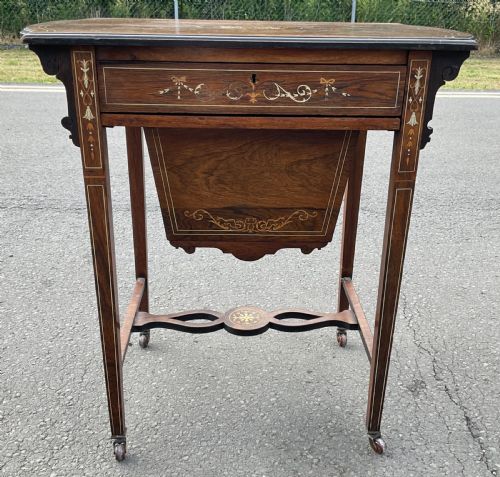


Ladies Work Box
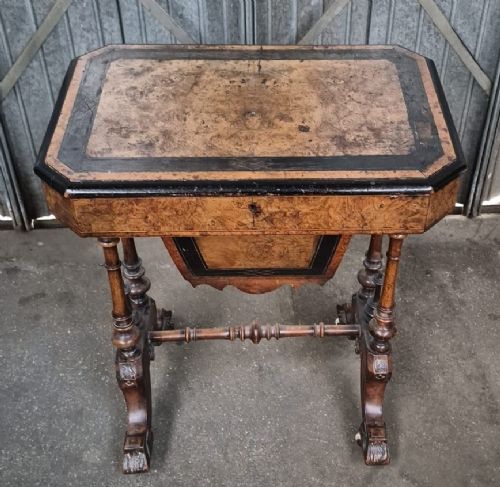
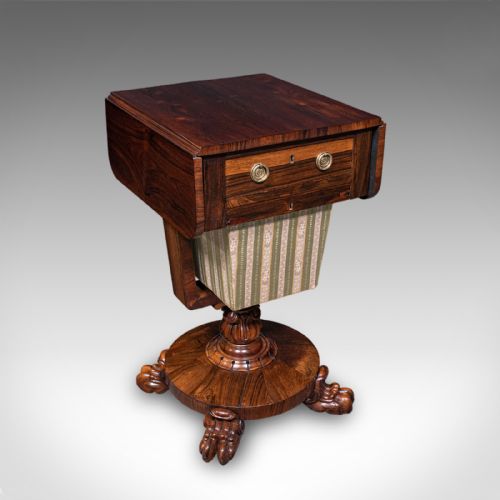
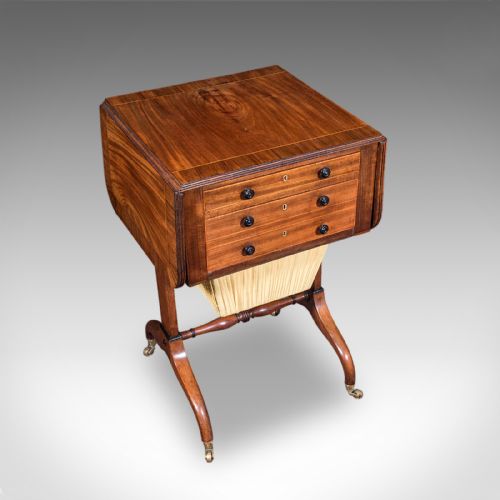
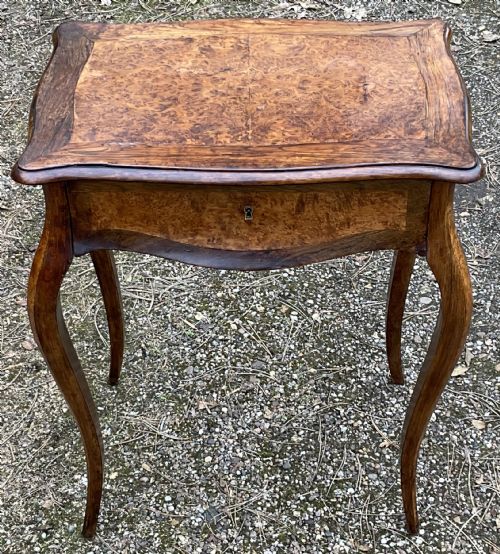
These ladies work box examples bring useful compartments and fine timber to a parlour or bedroom, offering a tidy place for needlework and small treasures.
Ladies Work Box
A ladies work box provides a dedicated chest or fitted table for sewing and small crafts, designed to keep needles, thread and fabrics organised within reach. The pieces found here range from portable caskets to substantial freestanding tables with drop leaves and fitted compartments.
Most examples date from the nineteenth century, spanning the Regency and Victorian periods, alongside Edwardian and Georgian precursors. You will encounter forms constructed in rosewood, mahogany and walnut, often enhanced with satinwood inlay or brass fittings.
The objects serve multiple purposes beyond mere sewing, functioning as writing slopes, jewellery caskets or occasional side tables. Their interiors frequently conceal clever multi-tier trays and small lidded compartments tailored to the tools of domestic needlework.
How they were made
Cabinet makers utilised dense hardwoods such as mahogany, rosewood and walnut as the primary structural bodies, frequently applying flame veneer or satinwood stringing to the exterior surfaces. Tunbridge ware and papier-mâché also appear, demonstrating specialised surface decoration and inlay techniques.
Interior compartments required precise miniature joinery, constructing removable trays with small knobs and partitioned wells for spools and thimbles. Tables incorporated turned legs, drop leaves supported by swing brackets and occasionally silk catch bags suspended beneath.
Metal mounts in brass and ormolu reinforced corners, framed lids and secured working locks, combining utility with decorative brass stringing and escutcheons.
Ladies Work Box Retail Price Guide 2026
Typical asking prices for ladies work box among the pieces listed under this phrase on Sellingantiques today, from the lower quarter to the upper quarter. They describe what is for sale here now, not the wider market.
Listings demonstrate a strong presence of nineteenth century rosewood and mahogany, alongside occasional walnut and oak examples.
What varies in quality
The selection of timber grain largely dictates the standing of a piece, with matched flame mahogany or figured rosewood marking superior examples. Plain secondary woods or simpler construction point to utilitarian workshop output rather than elite parlour furniture.
Interior complexity separates standard boxes from exceptional ones, particularly where makers invested time in intricate satinwood compartment lids, secret drawers and complete original ivory or bone fittings. The precision of the joinery and the integrity of the veneer work remain central to the overall execution.
Waring and Gillow
The Ladies Work Box Glossary
- Drop leaf
- A table featuring hinged flaps that fold down to save space or lift up to extend the surface area.
- Satinwood
- A pale, lustrous timber from the tropics often utilised for contrasting stringing and decorative veneer panels.
- Tunbridge ware
- A form of woodworking originating in Kent comprising small mosaic patterns assembled from thousands of tiny coloured wood blocks.
- Writing slope
- A portable desk with a slanted lid that opens to reveal a flat writing surface and stationery storage.
- Ormolu
- Gilded bronze mounts applied to furniture and decorative boxes for ornamental enrichment.
Ladies Work Box: Frequently Asked Questions
What is inside a ladies work box?
Most pieces contain a removable tray divided into small wells for storing threads, pins and sewing implements. Deeper space underneath accommodates larger pieces of fabric and materials.
Fitted interiors often include miniature lidded compartments and specialised holders for needles and bodkins, designed to keep delicate tools secure during transit or daily use.
How do I date a work box?
Dating relies on timber choices, decorative styles and construction methods associated with specific eras such as Regency or Victorian. Mahogany and simple box forms typically indicate earlier Georgian origin, while rosewood and elaborate inlay point towards the nineteenth century.
Hardware styles, including brass locks and escutcheons, offer further clues to the period of manufacture when compared against established cabinet making patterns.
Were these boxes meant for travel?
Smaller portable caskets featured sturdy handles, fitted locks and compact dimensions specifically intended for carriage during travel. These pieces allowed owners to continue their sewing or writing away from home.
Larger versions took the form of freestanding tables intended to remain stationary in a parlour, boudoir or drawing room.
How do I care for antique wood?
Maintaining the finish involves keeping pieces away from direct heat sources and strong sunlight, which can dry out delicate veneers. Regular gentle dusting preserves the polished surface without stripping natural patination.
Applying a light coat of appropriate wax occasionally helps nourish older hardwoods like mahogany and walnut.