



Lacquered Display Bookcase
These lacquered display bookcase pieces combine structural shelving with decorative painted surfaces, offering a practical space for books and precious objects alike.
Lacquered Display Bookcase
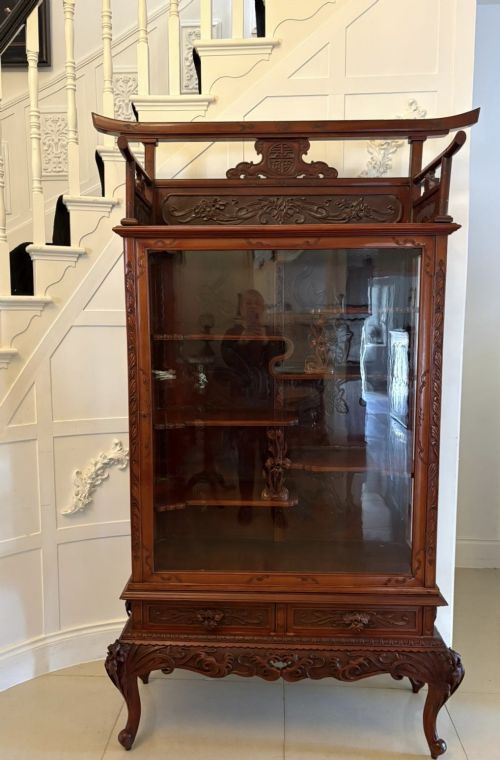
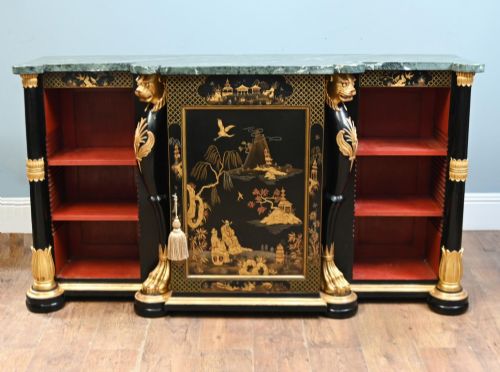
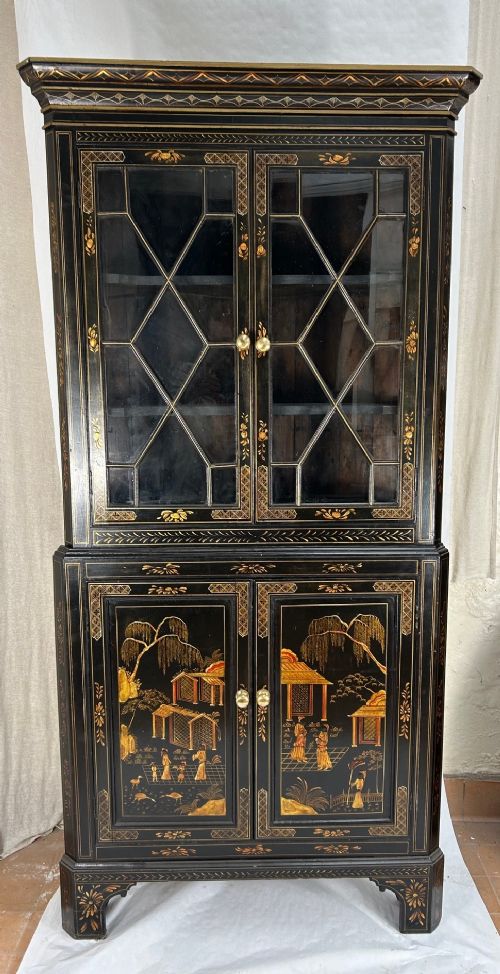
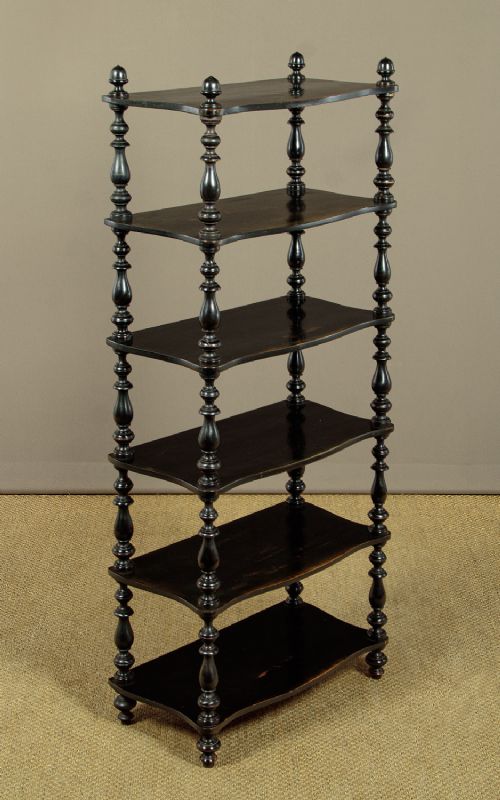
When searching for a lacquered display bookcase, collectors encounter various forms including breakfront cabinets, corner cupboards, bureau bookcases, and tiered shelving units. These pieces serve to house collections behind glass or on open tiers while displaying distinctive decorative finishes.
The selections span the Victorian, Edwardian, and early twentieth-century periods, alongside examples reflecting nineteenth-century Japanese Meiji and Chinese Qing aesthetics. Black and red lacquer finishes predominate, often paired with ebonised wood or bamboo structures.
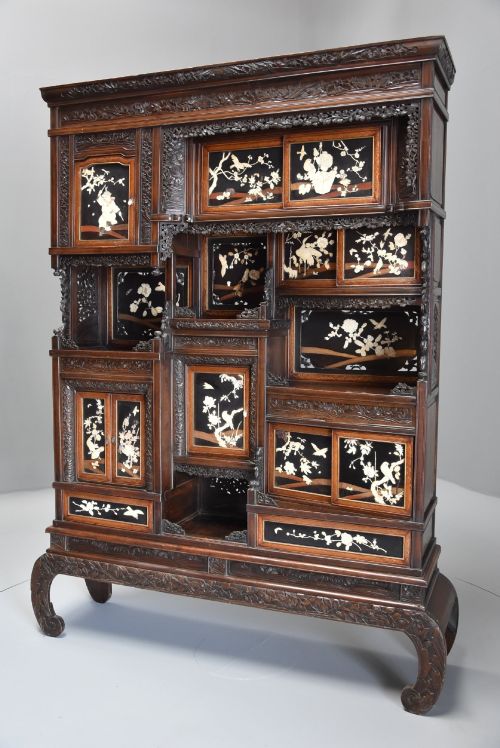
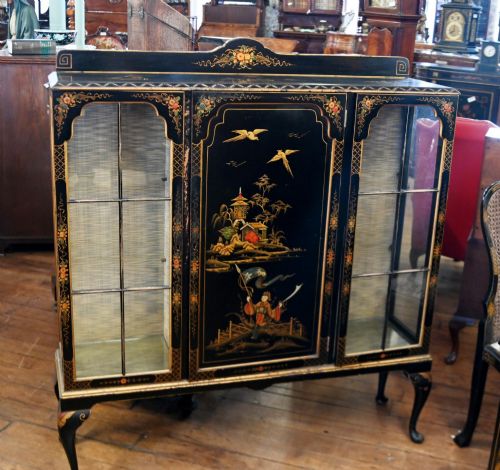
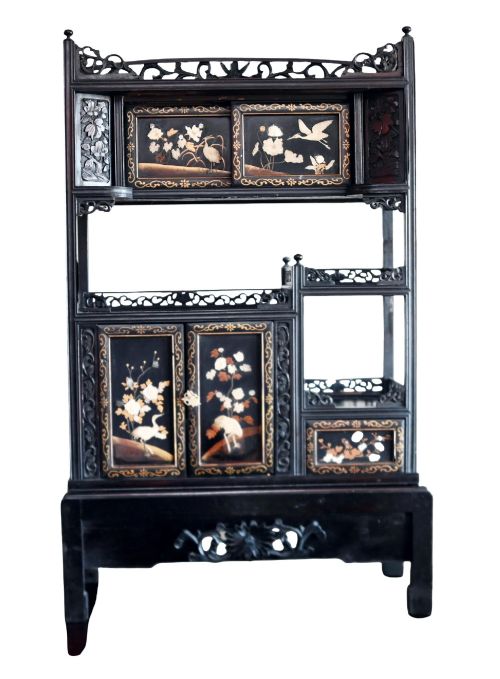
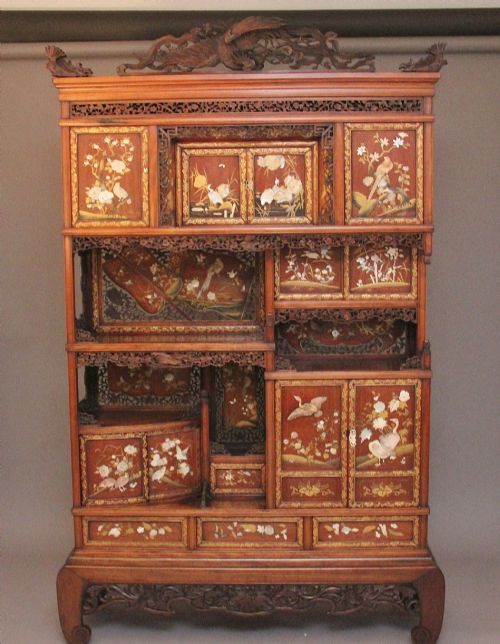
Buyers most frequently meet Edwardian and Victorian interpretations featuring Chinoiserie decoration, alongside Japanese Meiji period shodona cabinets. These items range from substantial side cabinets to paired display units and corner configurations.
How they were made
Construction relies on timber substrates including hardwood, ebonised wood, and bamboo, built into cabinets, shelves, and bureau bookcases. These structures support applied surface treatments such as lacquer, gold leaf, and mother-of-pearl inlay.
Decorative finishes involve layered lacquer applied to wood surfaces, frequently ornamented with Chinoiserie motifs or intricate mother-of-pearl details. Brass and ormolu mounts provide structural and decorative hardware across various pieces.
Lacquered Display Bookcase Retail Price Guide 2026
Typical asking prices for lacquered display bookcase among the pieces listed under this phrase on Sellingantiques today, from the lower quarter to the upper quarter. They describe what is for sale here now, not the wider market.
Several cabinets feature tiny mother-of-pearl figures caught mid-stroll across distant lacquered bridges.
What varies in quality
Quality separates through the execution of the surface decoration and the integrity of the underlying woodwork. Pieces featuring detailed mother-of-pearl inlay, fine gold leaf work, and well-preserved lacquer display greater craftsmanship than simpler iterations.
The refinement of the joinery and the selection of materials, such as solid hardwoods versus secondary timbers, define the construction standard. Integrated brass fittings and stable structural framing further distinguish higher grade examples.
The Lacquered Display Bookcase Glossary
- Chinoiserie
- European decorative style reflecting Chinese artistic traditions, commonly seen on lacquered furniture with painted figures and landscapes.
- Ebonised
- Wood treated with a black finish to imitate ebony, frequently utilised in Victorian and Edwardian cabinetry.
- Meiji
- Japanese historical period spanning the late nineteenth and early twentieth centuries, known for intricate decorative arts including shodona cabinets.
- Ormolu
- Gilded bronze mounts applied for decorative and structural purposes on antique furniture.
- Shodona
- Japanese tabletop or freestanding display cabinet featuring multiple asymmetrical shelves and compartments.
Lacquered Display Bookcase: Frequently Asked Questions
Where should I place a lacquered display bookcase?
These cabinets suit drawing rooms, studies, or libraries where their decorative surfaces can be appreciated without direct exposure to harsh sunlight. Keeping them away from heat sources protects the lacquer and wood structure.
Positioning them against a stable interior wall ensures the doors and glass panels align properly during daily use.
How do I clean a lacquered surface?
Dust the surface regularly with a soft, dry cloth to prevent particulate accumulation on the lacquer and inlay. Avoid liquid polishes, abrasive cleaners, or chemical solvents that can damage the finish.
For stubborn marks, a lightly damp cloth followed immediately by a dry one preserves the integrity of the gold leaf and paint.
Can these bookcases hold heavy books?
Open shelving units and bamboo structures are better suited to lighter display items, ceramics, and select volumes rather than heavy reference libraries. Enclosed cabinets with fixed wooden shelves offer sturdier support for heavier collections.
Assessing the thickness of the shelves and the overall joinery guides the weight capacity of each individual piece.
How do I identify Victorian Chinoiserie pieces?
Victorian Chinoiserie items frequently utilise ebonised wood or black lacquer decorated with painted Asian-inspired motifs, sometimes incorporating porcelain plaques or brass hardware. Examining the construction techniques and secondary woods helps confirm the nineteenth-century date.
Stylistic markers include distinct Regency Revival influences or Victorian interpretations of Qing Dynasty aesthetics.