




Lacquer Trinket Box
These small vessels for keepsakes and snuff, united by a lacquer trinket box search, bring centuries of patient hand-finishing into modern rooms.
Lacquer Trinket Box
A lacquer trinket box serves to secure small valuables, letters, and personal items inside sturdy wooden or papier-mâché carcasses coated in hard, lustrous resin. These pieces emerge from diverse traditions, spanning Georgian and Victorian English workshops, Qing Dynasty China, the Japanese Meiji period, and Kashmiri centres.
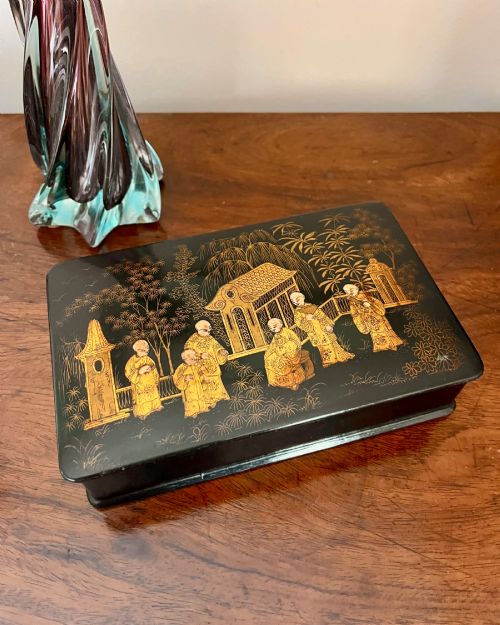
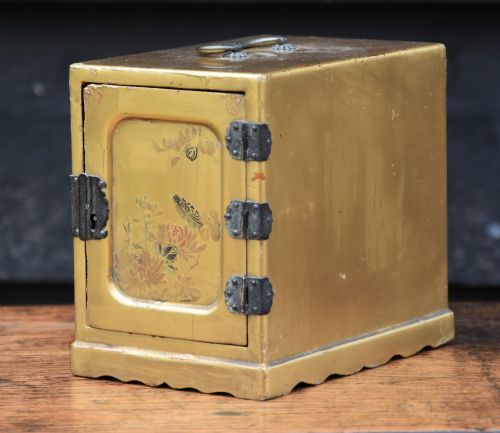
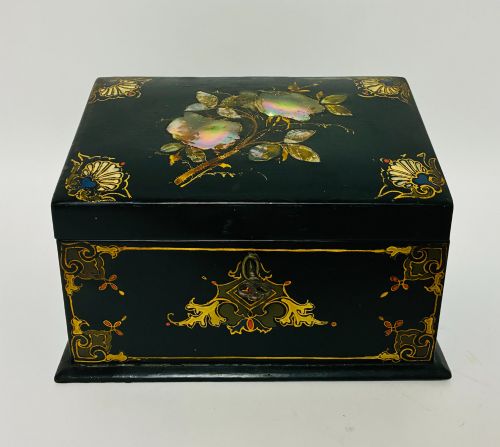
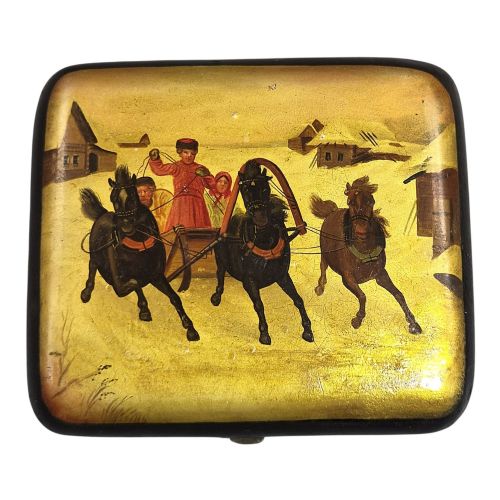
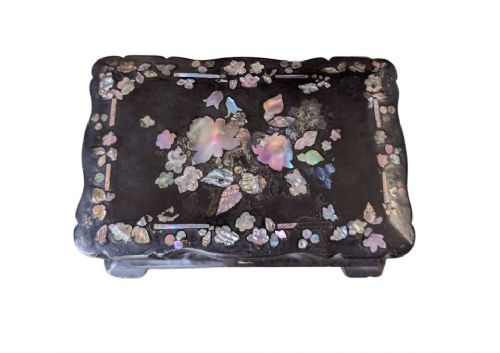
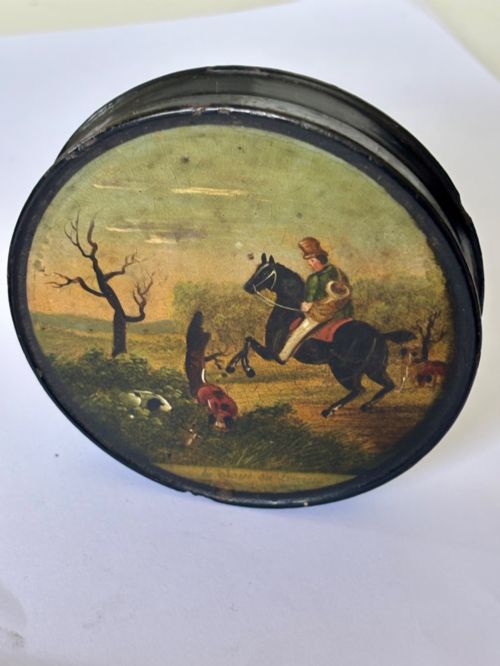
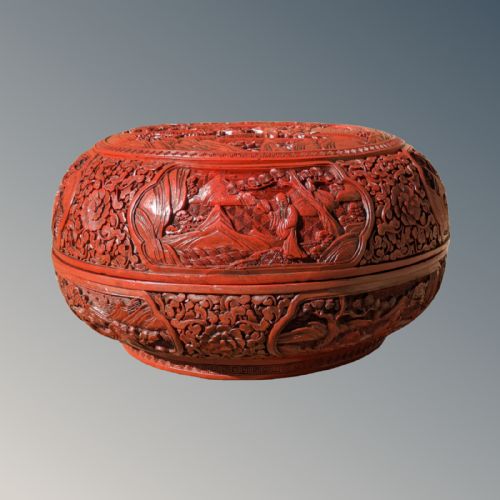
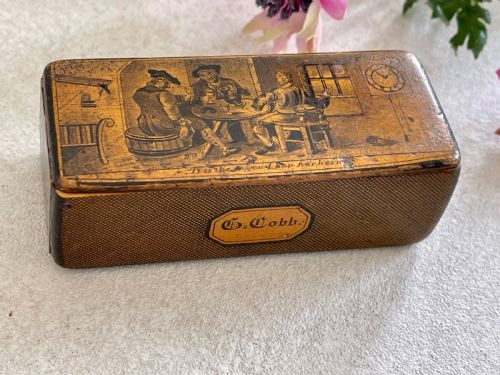
The objects on this page most commonly appear as Victorian papier-mâché stationery caskets, Japanese black lacquer table cabinets, and small European pocket snuff boxes. Buyers encounter numerous variations, from intricate penwork boxes of the Regency era to carved cinnabar vessels and mother-of-pearl inlaid cases.
Makers adapted these forms for specific domestic rituals, producing larger jewellery cabinets alongside diminutive containers meant for pocket or dressing table use. Each regional school applies distinct decorative idioms, translating local flora, fauna, and narrative scenes onto hard, polished surfaces.
Materials and Construction
Carcasses rely heavily on papier-mâché, pine, oak, or metal foundations, which provide a stable base for multiple layers of applied varnish or sap-based finishes. Artisans built up these surfaces through repeated sanding and coating to achieve a smooth, resilient ground.
Decoration involves hand painting, gold leaf application, and delicate penwork, often complemented by inlaid mother-of-pearl or carved cinnabar lacquer. Workshops in Russia, Kashmir, and Britain utilised specialised pigments and drying oils to secure permanent bonds between base and ornament.
German workshops concealed sliding secret panels inside snuff boxes for covert political messages and miniature portraits.
Judging Quality and Execution
The distinction between ordinary and exceptional pieces rests upon the precision of the hand-painted detail and the stability of the foundation material. Superior items display crisp linework, secure inlays, and unwarped lids that close with uniform margins.
Vishnyakov Workshop·G Cobb·Stobwasser
The Lacquer Trinket Box Glossary
- Papier-mâché
- A composite material made from paper pulp or layers of paper reinforced with glue, resin, and sometimes clay, forming a tough base for lacquer. This medium allowed Victorian makers to press complex, rigid box shapes.
- Penwork
- A decorative technique using fine ink lines and washes to imitate inlay or engraving on light-coloured wood or gesso surfaces. Regency artisans utilised this method to create intricate architectural and botanical motifs.
- Cinnabar
- A bright scarlet mineral form of mercury sulphide used to colour lacquer mixtures in Chinese workshops. Carvers cut deep patterns into multiple built-up layers of this red material.
- Takamaki-e
- A Japanese lacquer technique where metal powders and resin are applied in high relief to create three-dimensional designs. Craftsmen built up these motifs above the background surface for dramatic textural contrast.
- Chinoiserie
- European artistic interpretations of Chinese and East Asian decorative styles, popular during the Georgian and Victorian periods. This aesthetic manifests in whimsical landscapes, pavilions, and figures rendered in gold upon dark grounds.
Lacquer Trinket Box: Frequently Asked Questions
How do I clean a lacquer trinket box?
Dust surfaces gently with a soft, dry cloth without applying water, modern polishes, or chemical solvents. Moisture can penetrate hairline fractures in aged resin and damage the underlying wood or paper structure.
Keep these containers away from direct sunlight and radiators to prevent the lacquer from drying, cracking, or lifting away from the foundation.
Were these boxes used for jewellery?
Many Victorian and Edwardian examples feature velvet-lined interiors specifically designed to cradle rings, brooches, and delicate necklaces. Smaller Georgian variations served primarily to hold dry snuff, tobacco, or calling cards.
Larger cabinets incorporated multiple interior trays and lockable compartments to organise diverse personal accessories and keepsakes.
How can I tell Japanese from European pieces?
Japanese boxes typically utilise native urushi sap on wooden cores, often incorporating gold dust, mon crests, or traditional iconography like cranes and cherry blossoms. European makers favoured papier-mâché or tinned iron, employing oil-based varnishes and penwork to mimic Asian aesthetics.
Examining the interior construction and hinge styles reveals regional joinery methods characteristic of specific nineteenth-century workshops.
What period do most of these boxes date to?
The majority of surviving examples originate from the nineteenth century, spanning Regency penwork pieces through high Victorian papier-mâché caskets. Earlier Georgian and eighteenth-century items appear less frequently, while Edwardian and later twentieth-century productions show streamlined manufacturing techniques.
Stylistic cues such as brass feet, clasp designs, and painting subjects help narrow the date of manufacture within these broader eras.