
Lacquer Storage Cabinet
A lacquer storage cabinet brings bold surface work and deep utility into a room, offering enclosed organisation dressed in rich pigments.
Lacquer Storage Cabinet
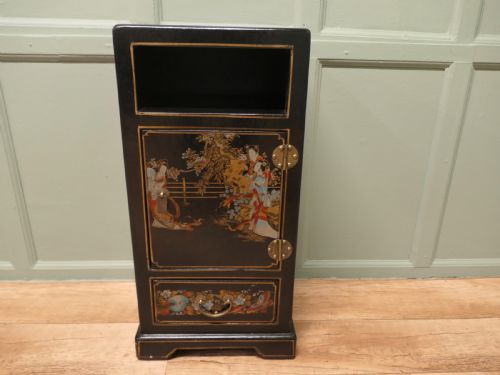
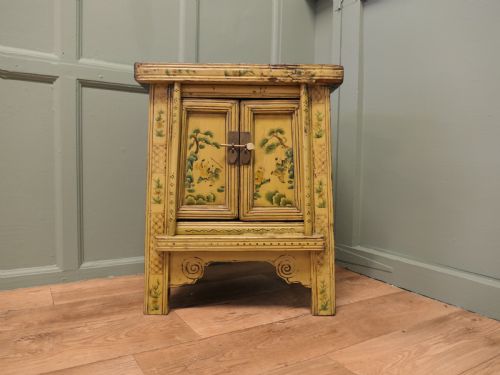
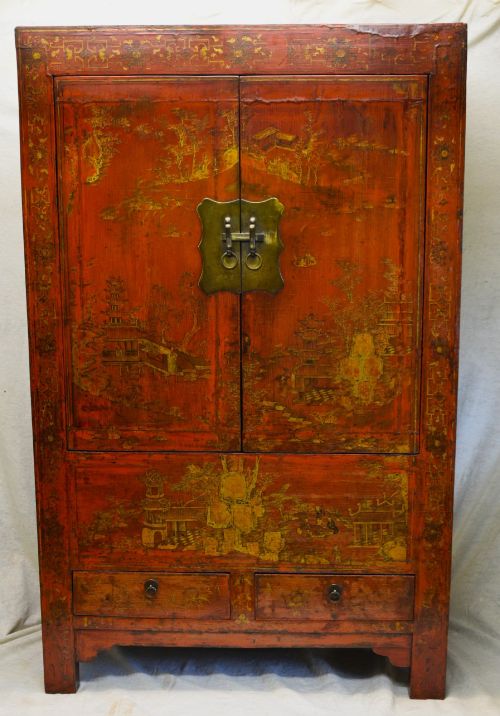
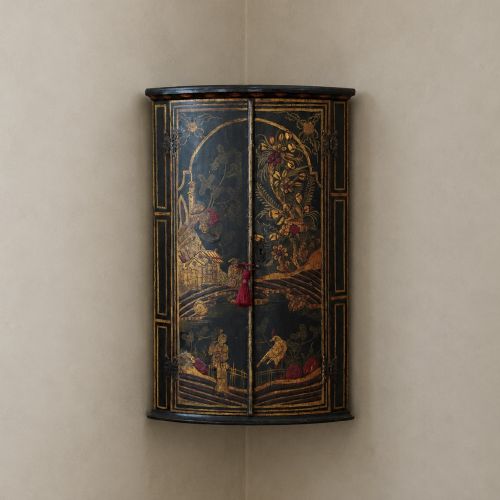
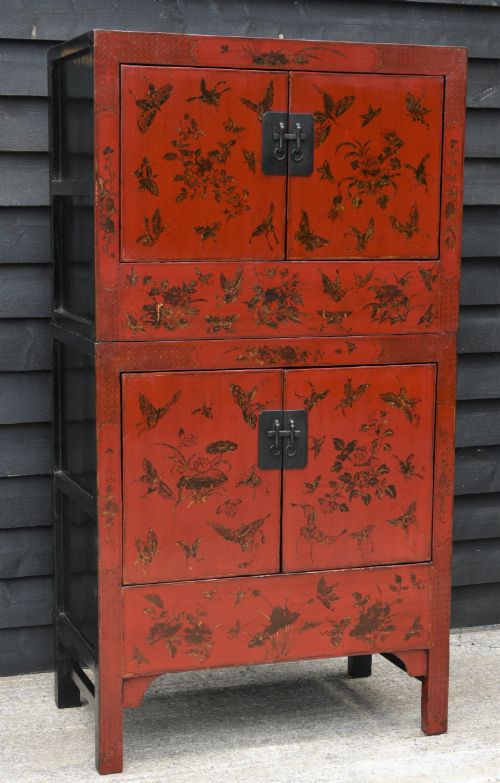
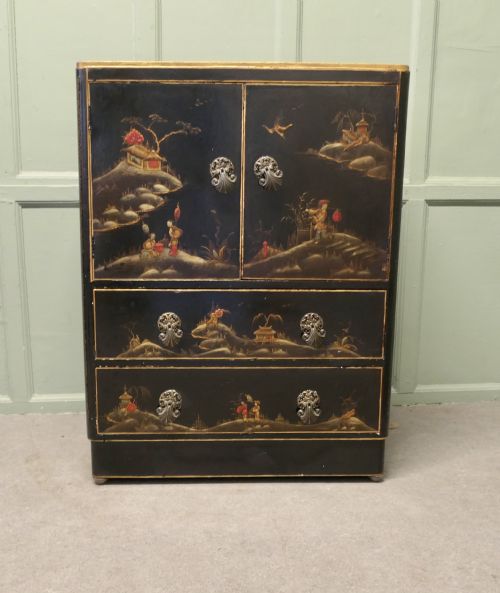
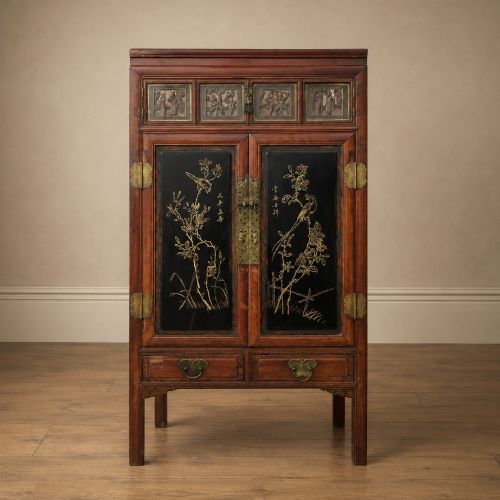
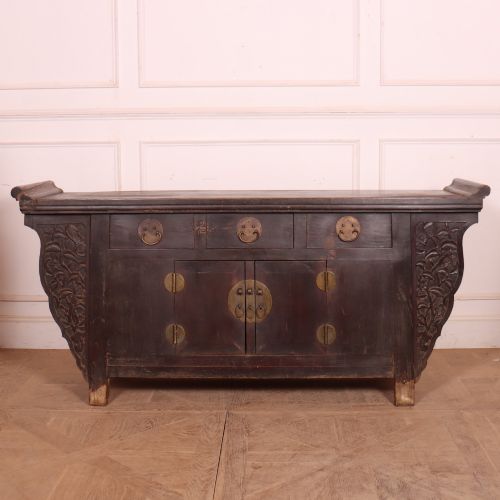
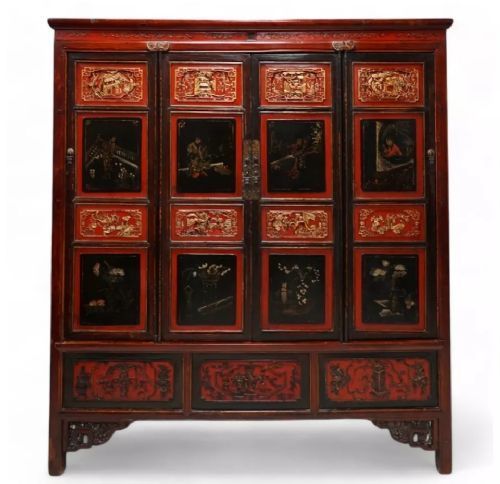
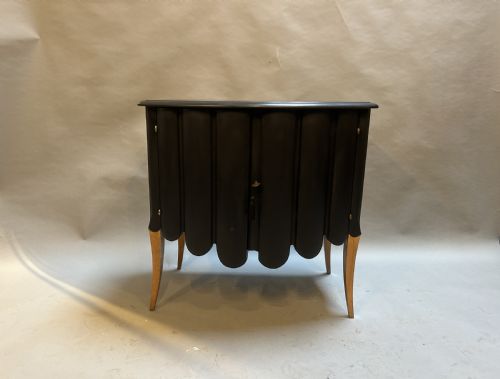
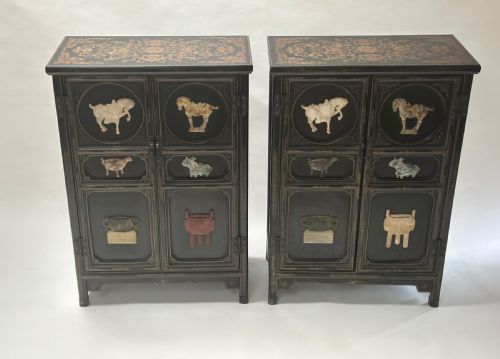
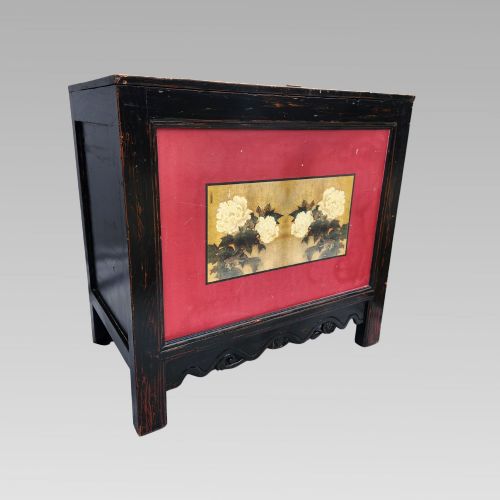
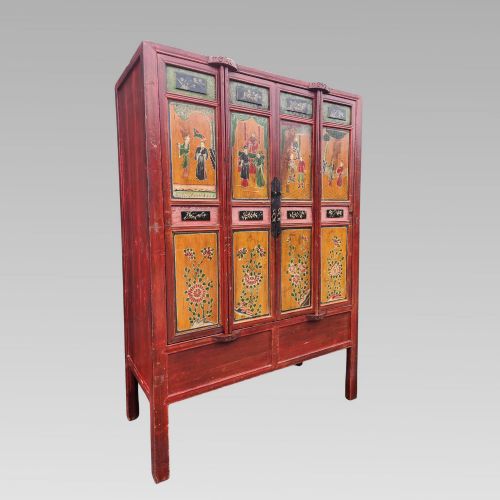
When you search for a lacquer storage cabinet, you encounter a diverse range of case pieces designed to conceal household items behind decorated doors or panels. These items span traditional Chinese marriage chests, apothecary cupboards, corner cupboards, and later side cabinets influenced by oriental decoration or European Art Deco design.
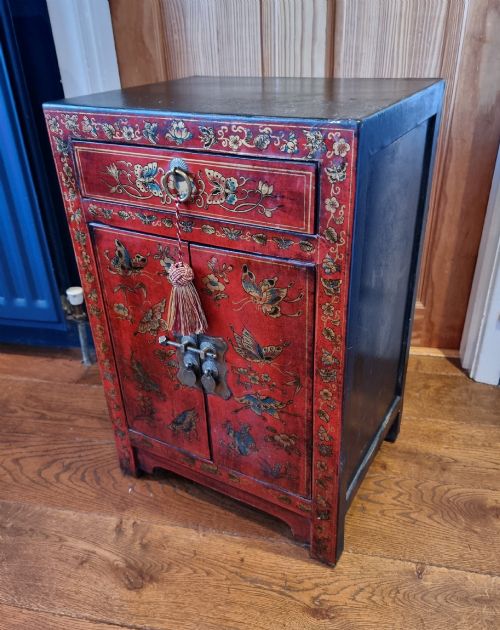
The versions most frequently met on this page date from the nineteenth and early twentieth centuries, though earlier eighteenth-century examples and Georgian pieces also appear. They arrive in forms ranging from tall compound cabinets and low sideboards to compact cabinets on stands and bedside lamp cabinets.
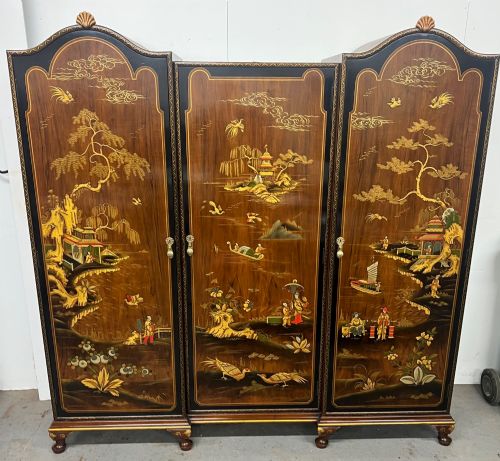
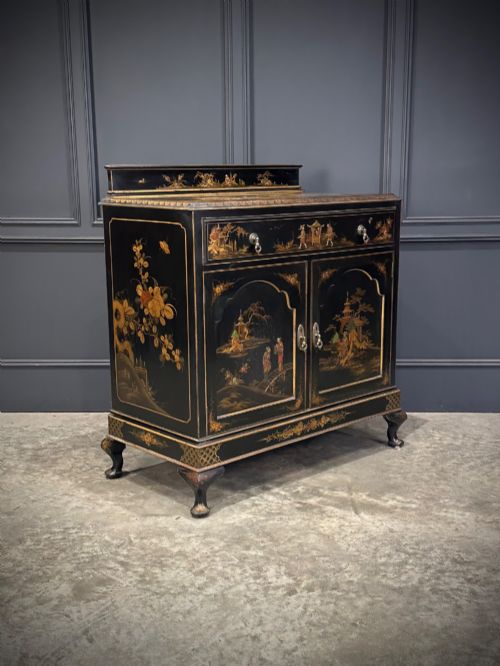
Origins vary widely across the selection, encompassing Chinese provincial workshops, Japanese production including tansu chests, and European centres creating japanned or Chinoiserie furnishings. Each piece reflects the decorative priorities of its maker, marrying practical compartmentalisation with striking visual presence.
Materials and Construction
Makers built the foundational carcass using timber such as elm, kiri wood, or general wood substrates, preparing a sturdy frame to receive surface decoration. Iron, brass, and metal mounts provided structural reinforcement and functional hardware for doors and drawers.
Layers of lacquer, sometimes combined with gilt, paint, and carving, built up the distinct finish over the wooden base. Artisans applied these decorative coats to create smooth, protective surfaces capable of holding intricate Chinoiserie motifs, floral scenes, and pictorial narratives.
Apothecary medicine cabinets once meant for sorting dried herbs and roots now happily guard remote controls and cocktail glasses.
Distinctions in Quality
The standard of a piece rests largely on the depth and execution of its surface ornamentation, from hand-painted or carved detailing to simpler applied decoration. Finer examples display crisp delineation in floral and avian motifs, harmonious integration of gilding, and well-preserved original painted finishes.
Structural integrity also separates the upper tier from simpler utility items, evident in the snug fit of doors, the stability of added stands, and the retention of original metalwork and hardware. Pieces retaining their early or original patination hold greater integrity than heavily restored surfaces.
Maples & Co.
The Lacquer Storage Cabinet Glossary
- Chinoiserie
- European artistic interpretation and imitation of Chinese and East Asian artistic traditions, popular in furniture decoration.
- Japanned
- European lacquering technique imitating Japanese and Asian lacquerware, typically using dark grounds and raised metallic decoration.
- Tansu
- Traditional Japanese mobile storage chest constructed with accessible drawers and compartments, frequently utilising key woods like kiri.
- Compound cabinet
- A tall cabinet style comprising stacked sections designed for substantial household storage, often associated with Chinese forms.
- Apothecary chest
- A multi-drawer storage cabinet traditionally utilised for sorting medicinal herbs, powders, and remedies in traditional settings.
Lacquer Storage Cabinet: Frequently Asked Questions
Where should I place a lacquer storage cabinet?
These cabinets work well as focal points in living rooms, dining spaces, or hallways where their decorative surfaces can be appreciated without crowding the room. Their enclosed storage keeps everyday items out of sight while adding strong colour and pattern to an interior.
Position them away from direct sunlight and strong heat sources to protect the delicate lacquer finish and underlying wood from drying out or fading over time.
How do I clean and care for lacquer furniture?
Dust the surfaces regularly with a soft, dry, lint-free cloth to prevent particle accumulation. Avoid using chemical polishes, abrasive cloths, or excess water, which can damage the historic surface.
Maintain a stable room humidity to prevent the wood substrate from expanding or contracting, which can cause the lacquer layers above to crack or lift.
What is the difference between Chinese and European Chinoiserie cabinets?
Chinese cabinets originate from regional traditions, utilising native timbers like elm and specific local lacquer techniques to produce wedding chests, apothecary units, and compound cabinets. Their decoration reflects indigenous symbolism, landscapes, and social customs.
European Chinoiserie pieces, including japanned corners cupboards and chests on stands, represent Western interpretations of Eastern motifs applied to domestic cabinet-making styles of the Georgian and later periods.
Are these cabinets practical for modern storage needs?
The internal configurations of shelves, drawers, and compartments offer versatile storage for tableware, media items, linens, or general household goods. Sideboards, cocktail cabinets, and larger cupboards provide substantial concealed volume.
Verify the internal dimensions and shelf arrangements of individual pieces to ensure they accommodate modern items such as bottles, glassware, or electronic devices.