


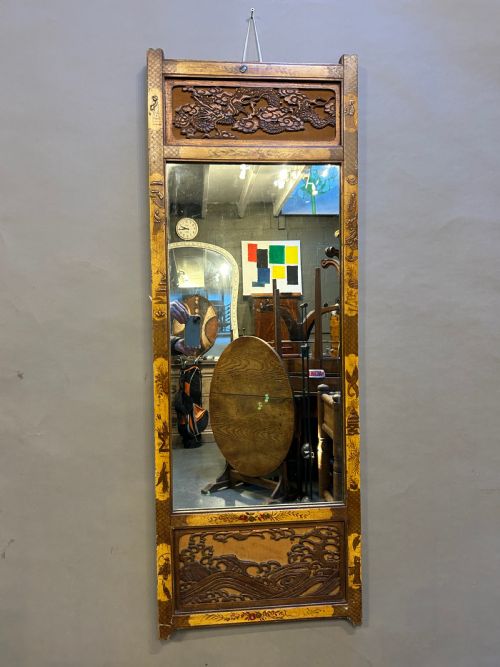


Lacquer Gilt Mirror
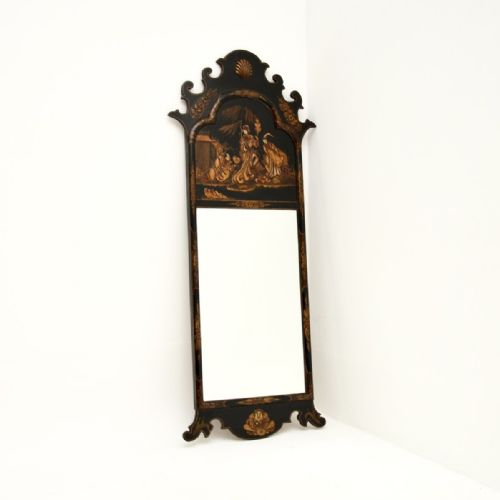
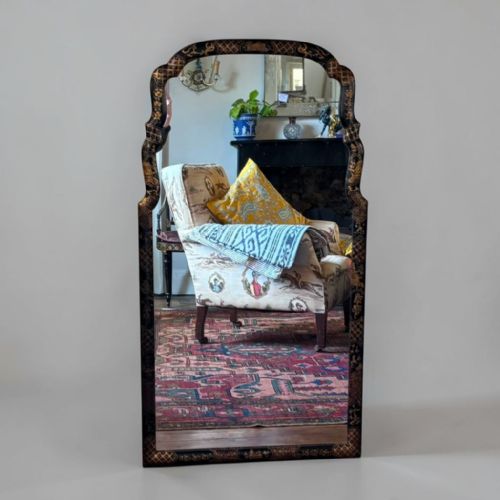
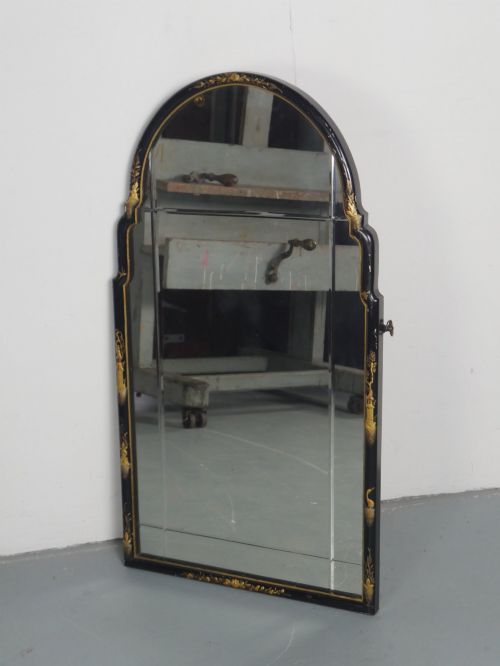
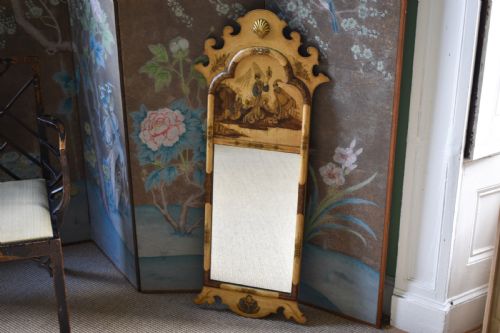
These lacquer gilt mirror examples bring hand-painted narrative scenes and reflective glass together, offering an instant focal point for a room.
Lacquer Gilt Mirror
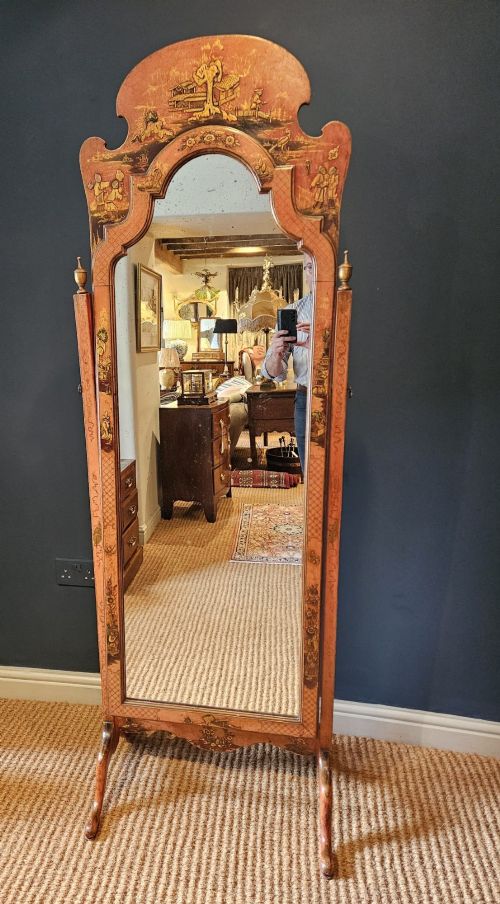
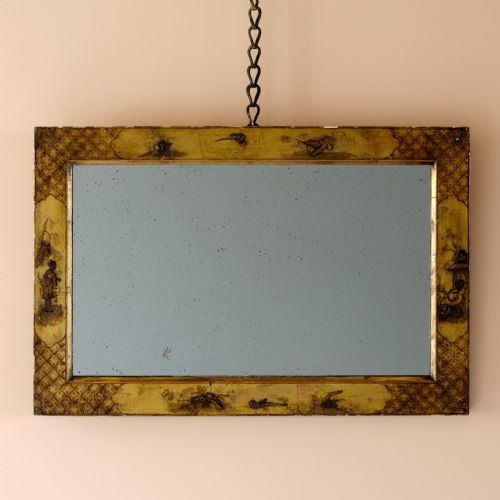
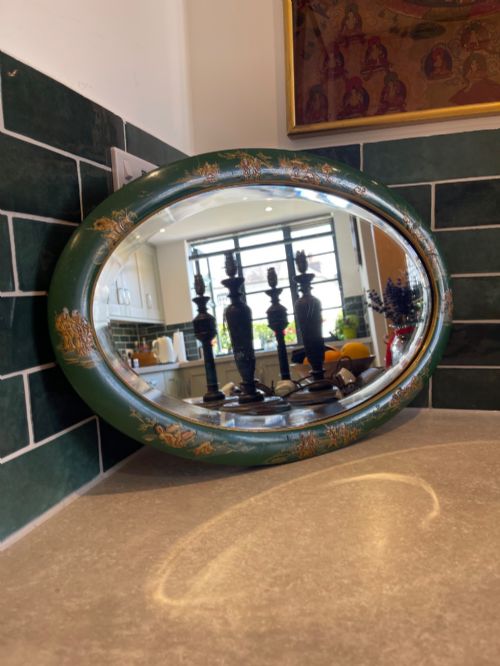
A lacquer gilt mirror draws the eye through glossy surfaces and intricate ornamentation, frequently incorporating Chinoiserie motifs derived from East Asian design traditions. Pieces range from grand Cheval mirrors designed for dressing rooms to compact wall-mounted ovals and rectangular pier glass.
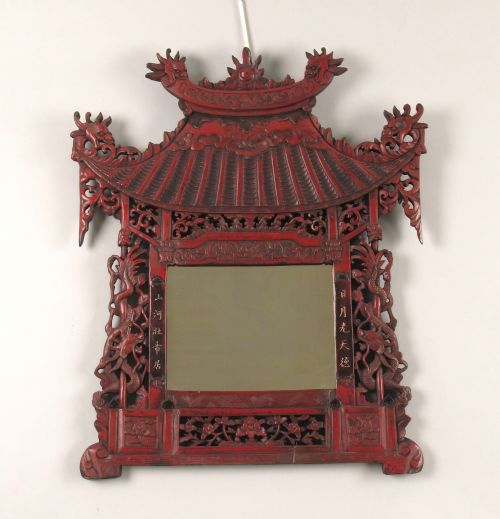
The aesthetic leans heavily on historical revivals, particularly Queen Anne and Georgian interpretations alongside Edwardian productions. Buyers regularly encounter pieces created across the nineteenth and early twentieth centuries, as well as distinct focal points like red lacquer pagoda forms.
Beyond standard wall formats, the selection extends to table mirrors and related lacquer furniture such as bureau bookcases sharing the same decorative language. Each piece relies on the interplay between dark or brightly coloured lacquer grounds and raised gold leaf details.
Materials and Construction
Frames are constructed from wood, sometimes utilising ebonised timber or specific wood bases prepared to receive layers of lacquer. Artisans built up these glossy coats over weeks, sanding and polishing the surface before applying intricate decoration.
Gilt elements, including gold leaf, were meticulously placed to highlight figures, pavilions, and botanical motifs against the dark or red lacquer background. Mirror glass was then fitted into the finished frame, completing the piece.
Lacquer Gilt Mirror Retail Price Guide 2026
Typical asking prices for lacquer gilt mirror among the pieces listed under this phrase on Sellingantiques today, from the lower quarter to the upper quarter. They describe what is for sale here now, not the wider market.
Current listings demonstrate a strong presence of 1920s production alongside 19th-century interpretations, spanning wall, cheval, and table mirror formats.
Assessing Quality and Execution
The depth of the lacquer finish and the precision of the hand-painted detailing determine the visual strength of the piece. Finer examples display crisp, layered gilding that catches the light naturally across the narrative scenes.
Proportion and the handling of historical revival styles dictate how successfully a piece sits within an interior. The integration of the frame with the mirror glass reflects the level of craftsmanship invested by the maker.
The Lacquer Gilt Mirror Glossary
- Chinoiserie
- European interpretation and imitation of Chinese and East Asian artistic traditions, prominent in decorative arts and furniture design. This style dictates the painted figures and garden landscapes seen on the frames.
- Japanned
- European lacquerwork imitating Japanese and Chinese export wares, created by applying successive coats of varnish and resin. The technique yields a hard, glossy surface suited to raised gilding.
- Cheval mirror
- A full-length mirror hung in a frame that allows it to tilt or swing on vertical pivots. These freestanding pieces often anchor a dressing room.
- Ebonised
- Wood finished with a dark stain or black paint to imitate the appearance of ebony. This dark ground provides high contrast for gilt decoration.
Lacquer Gilt Mirror: Frequently Asked Questions
Where should I hang a lacquer gilt mirror?
These mirrors function effectively above a mantelpiece, in an entrance hall, or on a bedroom wall where they can catch natural light. Their reflective glass opens up smaller spaces while the decorative frame adds colour and pattern.
Because the surfaces feature detailed lacquer and gold leaf, positioning them away from direct, harsh sunlight helps protect the finish over time.
How do I clean the frame?
Dusting the frame gently with a soft, dry cloth is the safest way to maintain the lacquer and gilt surface. Avoid using chemical sprays or abrasive cleaners that can damage the historical finish.
For the mirror glass itself, apply a standard glass cleaner to a cloth rather than spraying directly onto the glass, preventing liquid from seeping behind the frame edges.
What rooms suit Chinoiserie mirrors?
The decorative narrative scenes blend well into traditional living rooms, dining spaces, or eclectic modern interiors that benefit from a strong focal point. Their rich colours complement neutral walls as well as deeper, saturated interior colour schemes.
Matching the scale of the mirror to the wall space ensures the piece commands the room without overwhelming surrounding furniture.
How do I distinguish Edwardian from older pieces?
Edwardian interpretations often display machine-assisted elements or specific construction techniques typical of the early twentieth century, alongside revivals of Georgian and Queen Anne aesthetics. Examining the backboards, fixings, and the composition of the lacquer provides clues to the era of production.
Older examples from the eighteenth or early nineteenth centuries generally show hand-beveled glass variations and heavier timber construction suited to the period.