



Kutani Porcelain Sculpture
These kutani porcelain sculpture pieces bring Japanese Meiji and Taisho period figures into your home with rich hand-painted detail.
Kutani Porcelain Sculpture
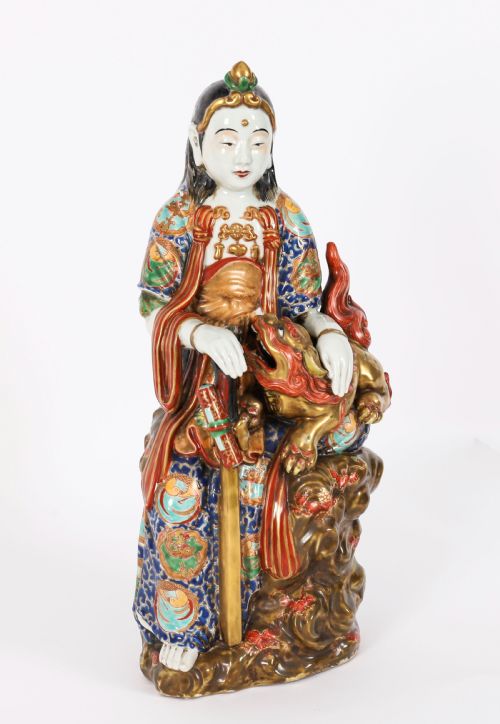
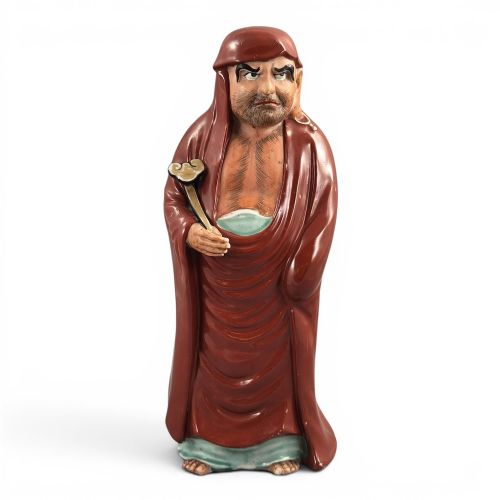
When you search for kutani porcelain sculpture, you are looking at ceramic figures and figurines originating from Japan, predominantly created during the Meiji and Taisho periods. The examples on this page encompass 19th-century works alongside pieces from around 1900 and the Edwardian era.
The subjects depicted in these sculptures are largely traditional, featuring Buddhist deities such as Guanyin and Kannon, mythological figures like Jurojin and Bodhidharma, and cultural representations including bijin and geisha. You will also encounter models of the shishi, or Buddhist lion.
Forms range from individual figurines to substantial sculptures and complex groupings like Buddhist triads. Most pieces date from the 19th century through to the early decades of the 20th century.
How they were made
These works are formed from porcelain and decorated using polychrome enamel alongside gold leaf and gilt highlights. Artisans applied detailed glazes to create the characteristic vibrant surface appearance seen on these figures.
Techniques such as moriage work appear on pieces from the Meiji-Taisho period, building up raised decorative surfaces using slip. Painting is executed by hand across the porcelain body, integrating enamel colours and gold leaf details.
Kutani Porcelain Sculpture Retail Price Guide 2026
Typical asking prices for kutani porcelain sculpture among the pieces listed under this phrase on Sellingantiques today, from the lower quarter to the upper quarter. They describe what is for sale here now, not the wider market.
Listings span the 19th century, Edwardian era, and Meiji and Taisho periods, utilising porcelain, enamel, gold leaf, and glaze.
What varies in quality
Quality in these sculptures rests upon the precision of the hand-painted enamel work and the refinement of the porcelain moulding. Pieces with intricate polychrome detail and careful application of gold leaf stand apart from simpler iterations.
The depth of modelling in the figures and the clarity of expression in the faces of deities or human subjects dictate the standing of an individual piece. Finer examples maintain crisp definition in the robes, hair and decorative accessories.
The Kutani Porcelain Sculpture Glossary
- Kutani
- A style of Japanese porcelain traditionally characterised by rich coloured enamels and gilt decoration. It encompasses figures, sculptures and vessels produced across various periods.
- Meiji Period
- The era of Japanese history spanning from 1868 to 1912, associated with detailed craftsmanship in ceramics and metalwork. Many sculptures on this page originate from this time.
- Okimono
- A Japanese ornamental figurine intended for display on a shelf or in a tokonoma alcove. These figures often depict deities, historical characters or mythical animals.
- Moriage
- A decorative ceramic technique where clay slip is piped onto the surface to create raised patterns before glazing and firing. This adds a tactile, dimensional quality to the porcelain.
- Shishi
- A traditional mythical guardian lion or dog common in Japanese and Chinese art. They are frequently modelled in porcelain as protective figures.
Kutani Porcelain Sculpture: Frequently Asked Questions
What do kutani porcelain sculptures depict?
These sculptures typically represent figures from Japanese folklore, Buddhism and daily life, including deities like Kannon and Jurojin.
You will also encounter models of mythical beasts such as the shishi alongside human figures like geisha and bijin.
How old are these porcelain figures?
The pieces shown here date from the 19th century through to the Edwardian era and the Taisho period.
Many examples stem specifically from the Meiji period, covering dates from around 1870 up to 1920.
What materials were used to decorate them?
Decorations rely on polychrome enamel and glaze applied to a porcelain base.
Artists frequently added gold leaf and gilt accents, and occasionally utilised raised moriage techniques to enhance the surface.
How do I care for antique porcelain sculpture?
Keep the figures out of direct sunlight to protect the enamel colours and gold leaf over time.
Dust gently with a soft, dry brush and avoid using water or chemical cleaners on the antique surfaces.