




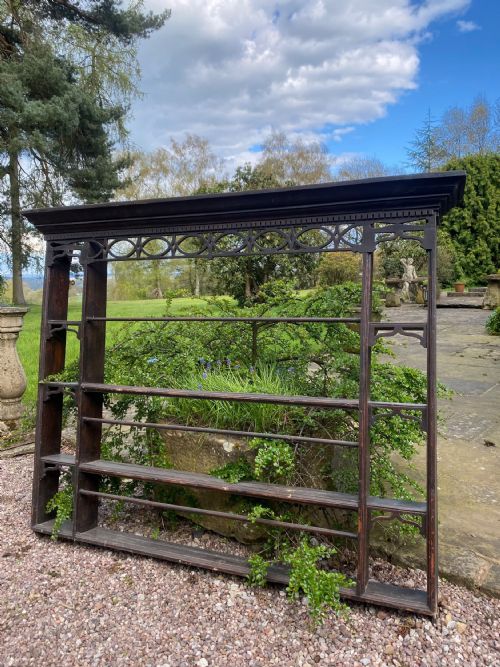
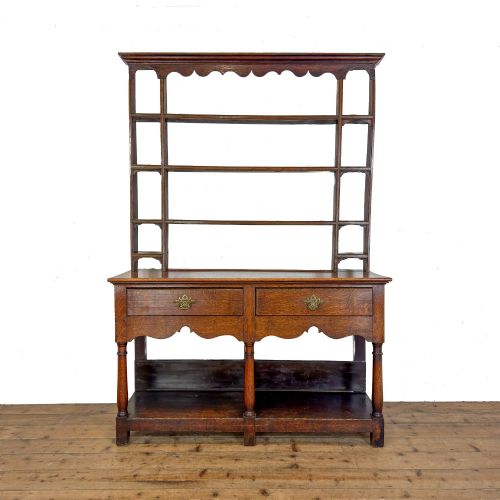

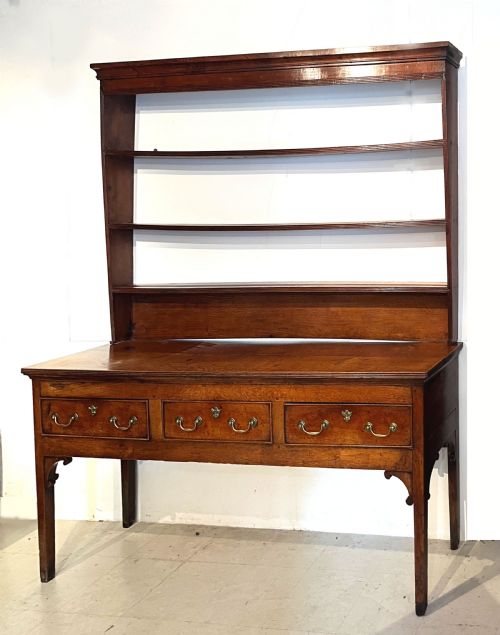

Kitchen Plate Display
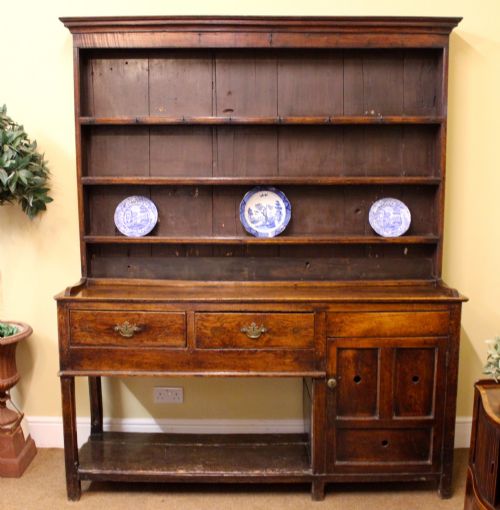
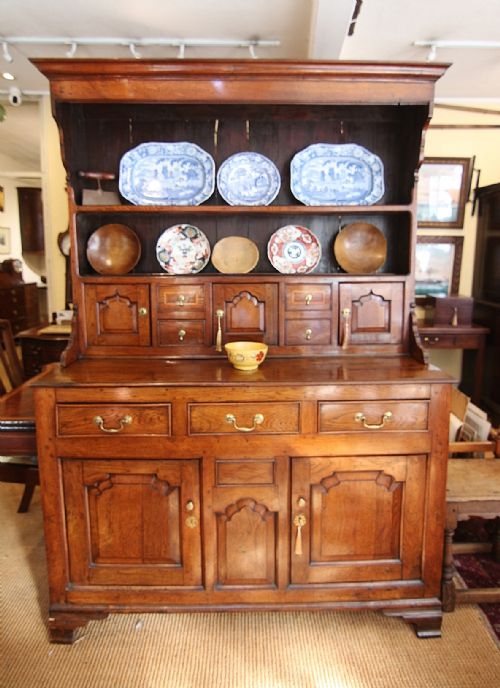
Kitchen plate display pieces unite utility and tradition, offering open shelving designed to showcase ceramic collections.
Kitchen Plate Display
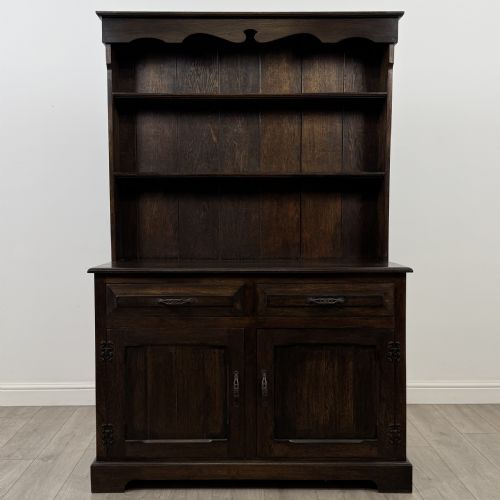
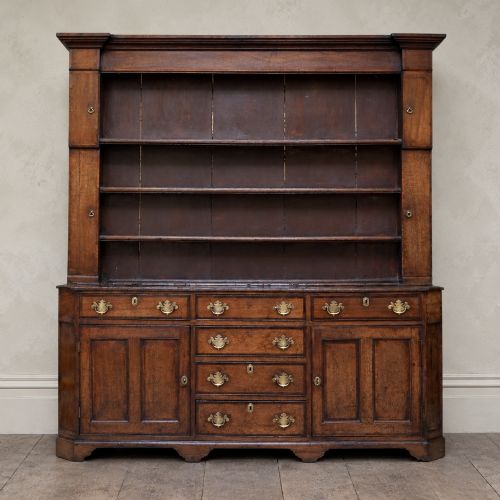
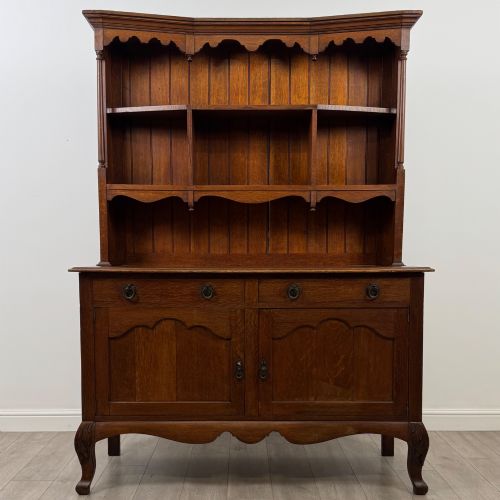
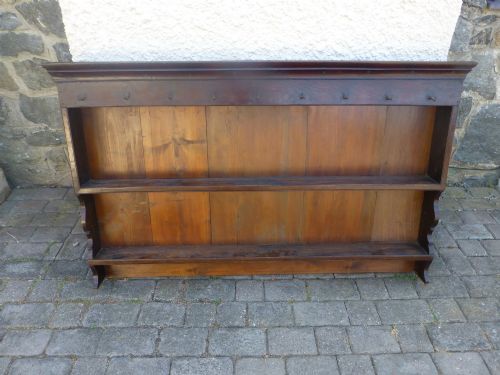
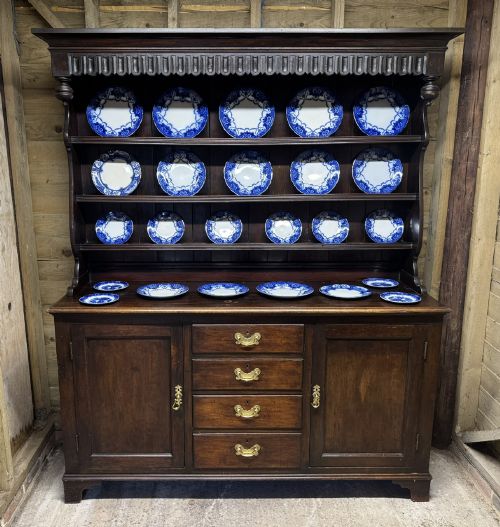
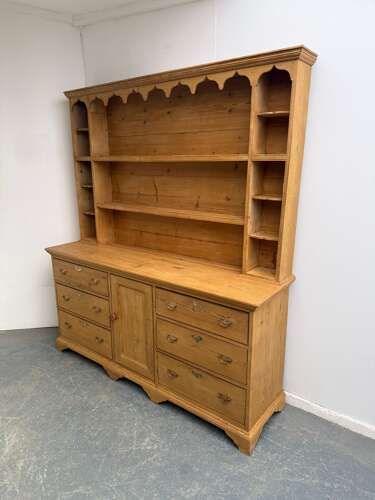
A kitchen plate display typically takes the form of a dresser, dresser base with an upper plate rack, or a dedicated wall shelf designed to hold ceramics upright.
The pieces appearing here stem largely from the eighteenth and nineteenth centuries, taking shape in regional workshops across Wales, England, and France.
Most examples combine a lower storage cabinet or counter with upper open tiers specifically built to display delftware and earthenware plates.
Quality factors
Quality rests in the proportion of the timber, the subtlety of moulding profiles, and whether upper racks remain paired with their original base units.
Regional detailing, such as inlaid crossbanding or raised panel doors, distinguishes bespoke country workshop output from simpler utilitarian pieces.
Surface patination accumulated through decades of domestic use marks the distinction between untouched period examples and later alterations.
Kitchen Plate Display Retail Price Guide 2026
Typical asking prices for kitchen plate display among the pieces listed under this phrase on Sellingantiques today, from the lower quarter to the upper quarter. They describe what is for sale here now, not the wider market.
Many antique plate racks retain faint pottery dust settled into the timber grooves from centuries of plates sliding in and out.
The Kitchen Plate Display Glossary
- Welsh dresser
- A traditional dining room or kitchen storage unit featuring lower drawers or cupboards beneath an open upper plate rack. These items formed the central storage hub of rural households.
- Delft rack
- A wall-mounted or dresser-top wooden shelf structure slotted to hold ceramic plates upright. The name reflects the popularity of displaying tin-glazed earthenware.
- Potboard
- A lower open slatted shelf built near the floor in early dresser bases. This level held heavy pots and pans off damp stone kitchen floors.
- Crossbanding
- A decorative technique framing drawer fronts or panels with thin strips of veneer running perpendicular to the grain. It provides subtle visual contrast on walnut and oak surfaces.
Kitchen Plate Display: Frequently Asked Questions
What is a kitchen plate display?
A kitchen plate display is a piece of furniture or wall shelving built to hold ceramic plates upright in public view.
These items range from large multi-tier dressers to compact hanging wall racks originating in the eighteenth and nineteenth centuries.
How were these plate racks used?
Households utilised these open racks to dry, store, and exhibit everyday ceramics and prized delftware plates within reach of the hearth.
The grooved wooden ledges kept heavy dishes from sliding forward during daily domestic activity.
How do I date an oak dresser?
Dating relies on examining construction methods, timber choice, drawer lining boards, and overall hardware styles across the piece.
Eighteenth-century examples often display hand-planed surfaces and pegged joinery, while later Victorian and Edwardian pieces show machine-sawn components.
Are wall racks original to the bases?
Many upper plate racks became separated from their lower dresser cabinets over centuries of domestic rearrangement and relocation.
Matching timber species, wear patterns, and proportional scale help determine if the upper and lower sections originated together.