



Kitchen Display Unit
A kitchen display unit brings practical storage and traditional character together, offering open shelving or glazed cabinets to organise everyday crockery.
Kitchen Display Unit
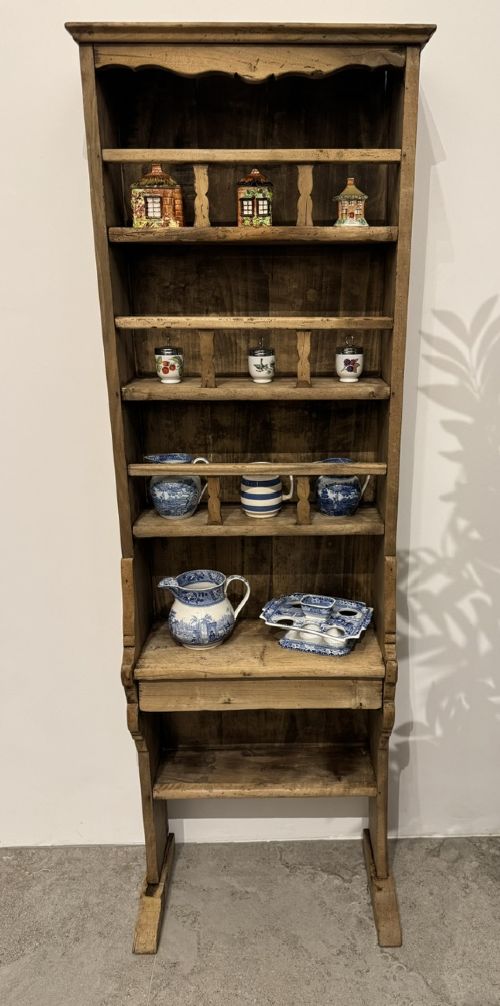
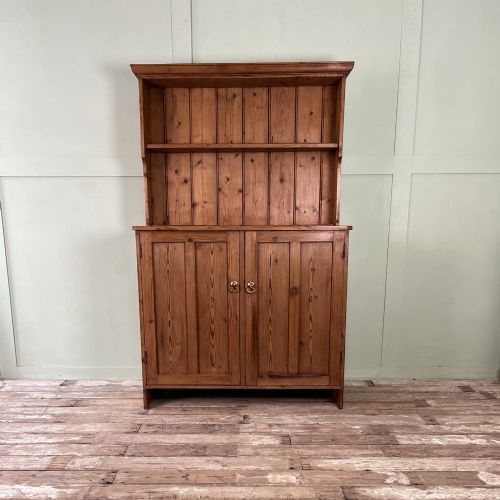
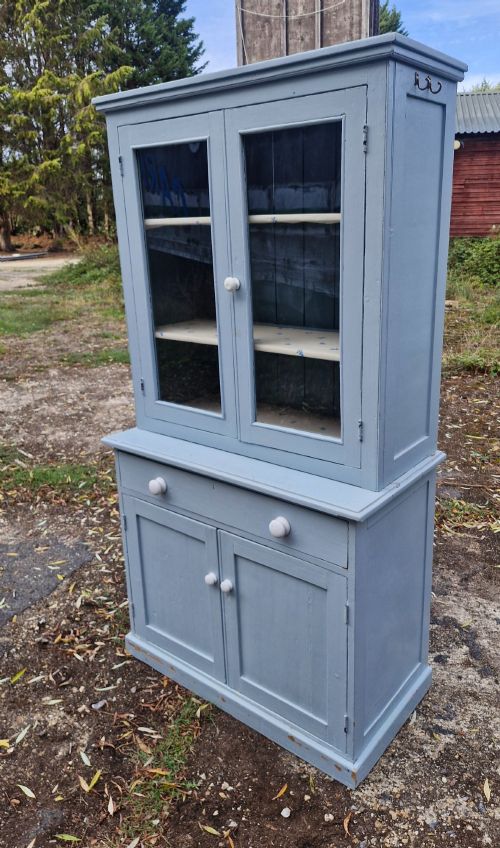
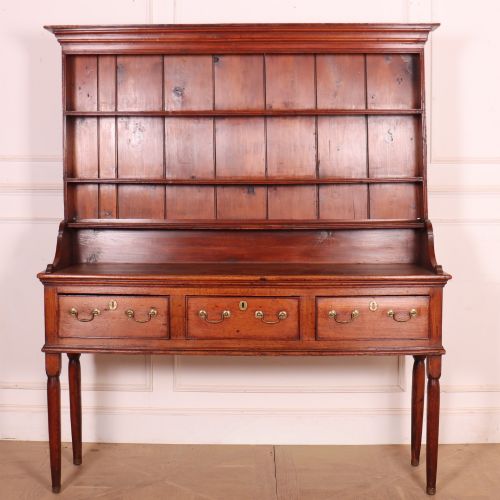
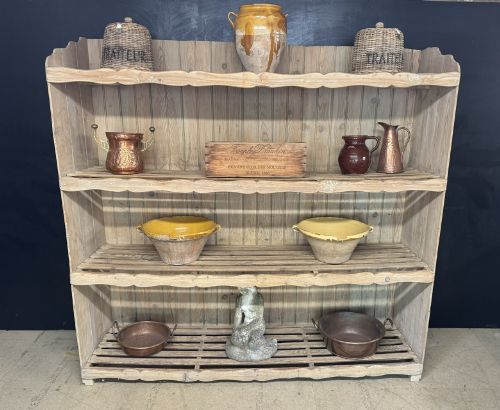
A kitchen display unit encompasses a variety of traditional storage furniture designed to hold and showcase domestic tableware, from open wall shelves to substantial two-part dressers. Buyers seeking a kitchen display unit will encounter diverse regional forms, predominantly featuring pine and oak construction spanning the eighteenth, nineteenth and early twentieth centuries.
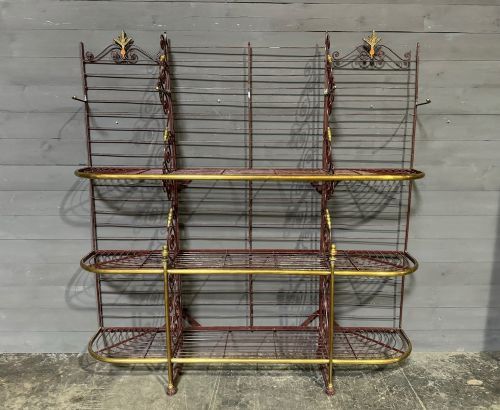
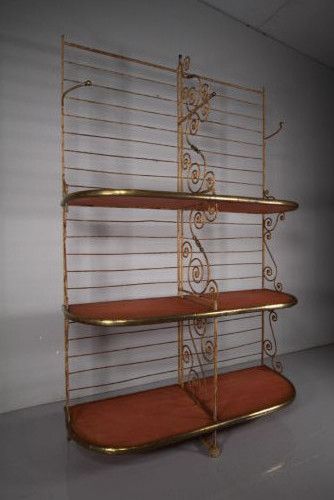
The selection ranges from British country dressers and shop fittings to French provincial bakers racks and cupboards. These pieces bridge the gap between utility and presentation, serving as the functional anchor of a rustic or traditional interior.
Materials and construction methods
The pieces rely heavily on solid timbers such as pine and oak, often worked by hand using traditional joinery techniques appropriate to their period of origin. Painted finishes, sometimes applied in historical shades like Pompeian Ash, appear alongside natural waxed or polished wood surfaces.
Metal elements play a structural and decorative role, with wrought iron, brass, steel and cast iron utilised in bakers racks and hardware. Multi-wood construction and stamped metal details also emerge in nineteenth-century examples, pointing to workshop origins.
Kitchen Display Unit Retail Price Guide 2026
Typical asking prices for kitchen display unit among the pieces listed under this phrase on Sellingantiques today, from the lower quarter to the upper quarter. They describe what is for sale here now, not the wider market.
The listings span from the eighteenth century to the early twentieth century, featuring pine, oak, wrought iron and glass across eight distinct design styles.
Distinctions in quality
Quality in these storage pieces rests on the integrity of the timber, the honesty of the construction and the preservation of original surfaces. Pieces retaining their early or original paint finishes command attention for the depth of character that decades of use impart.
Proportion and regional vernacular detail distinguish finer vernacular examples from more utilitarian builds. The balance between open display space and enclosed cupboard storage, alongside clean lines in cornices and base sections, separates the exceptional from the ordinary.
The Kitchen Display Unit Glossary
- Dresser
- A piece of furniture combining lower cupboards or drawers with upper shelving for displaying tableware. It serves as a central storage hub in traditional kitchens.
- Bakers rack
- A metal-framed shelving unit historically used in baking and food preparation. Wrought iron and steel frameworks support multiple tiers for storage.
- Shop fitting
- Furniture originally built for commercial retail environments rather than domestic use. These items often feature robust construction and specialised display configurations.
- Cornice
- The decorative moulded projection that crowns the top of a cabinet or dresser. It provides a finished architectural boundary to the upper section.
Kitchen Display Unit: Frequently Asked Questions
How do I use a kitchen display unit?
These units suit spaces meant for everyday crockery, glassware and pantry items. Open shelves keep frequently used plates within easy reach, while enclosed cupboards below hide bulkier items.
Positioning the piece against a dining room or kitchen wall establishes a focal point that blends storage with decorative display.
What wood types are most common?
Pine and oak dominate the selection across both British and continental European examples. Pine often carries painted finishes, while oak displays visible grain patterns and rich natural patinas.
Secondary woods may appear in backing boards or interior drawer construction, reflecting the practical workshop practices of the period.
How do I identify French pieces?
French bakers racks and provincial cupboards often incorporate wrought iron frameworks and softer fruitwood or oak timbers. Details such as stamped maker marks or distinct regional silhouettes separate them from British equivalents.
Stylistic touches lean towards country provincial designs with lighter proportions and curved crest rails.
Are painted finishes original?
Some pieces retain early or original paint layers, while others have been decorated in historical tones at a later date. Layers of pigment often wear down over time to reveal the underlying timber texture.
Examining the interface between the paint and the wood grain helps determine the age and application method of the surface coating.