



Kitchen Display Cabinet
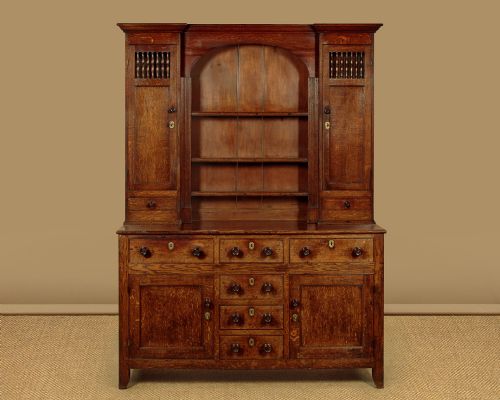
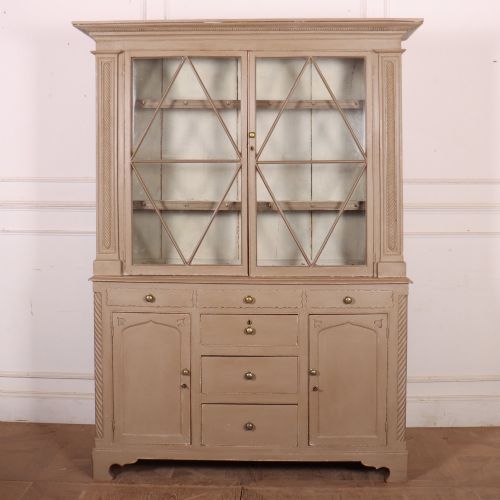
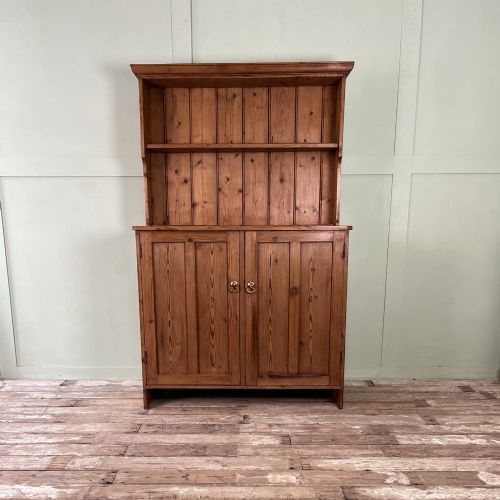
A kitchen display cabinet stores everyday china and pantry provisions behind glass doors or upon open plate racks.
Kitchen Display Cabinet
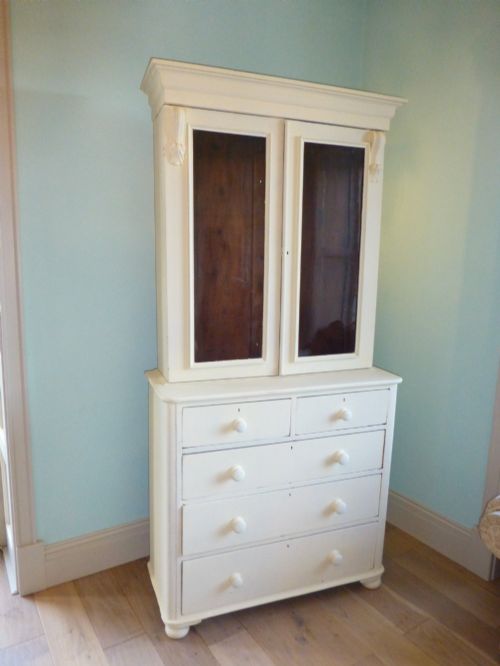
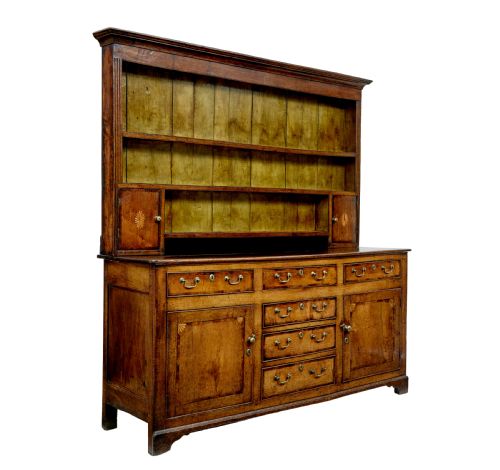
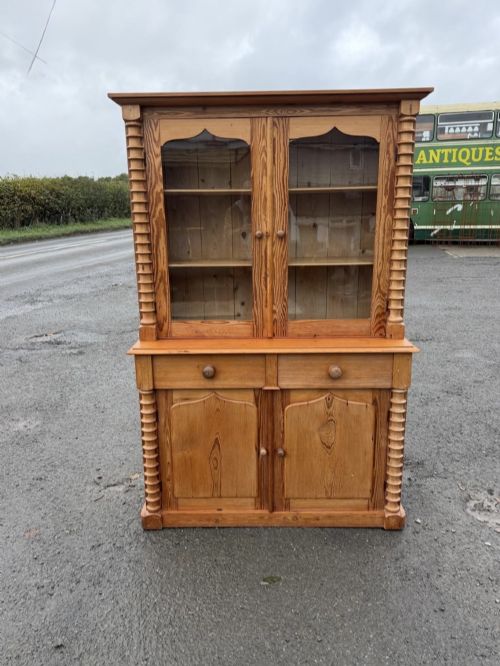
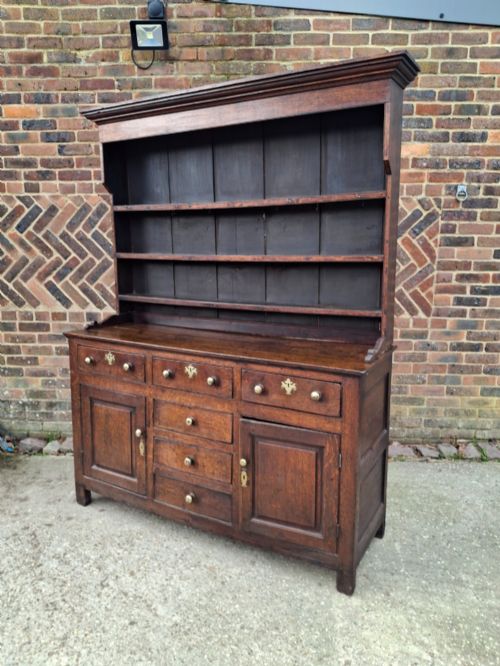
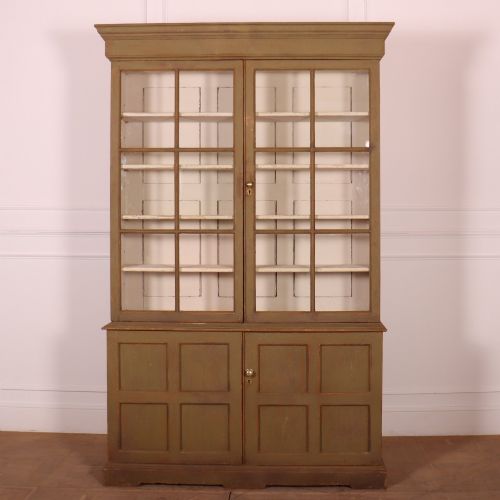
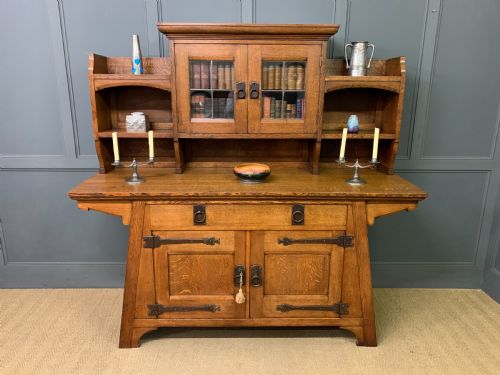
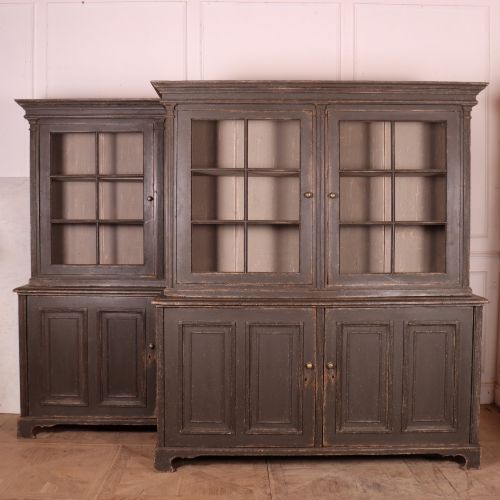
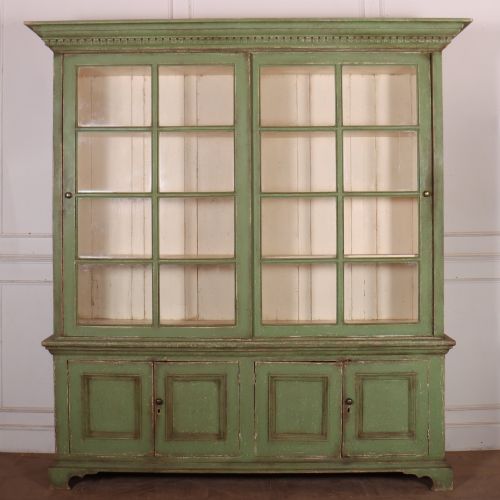
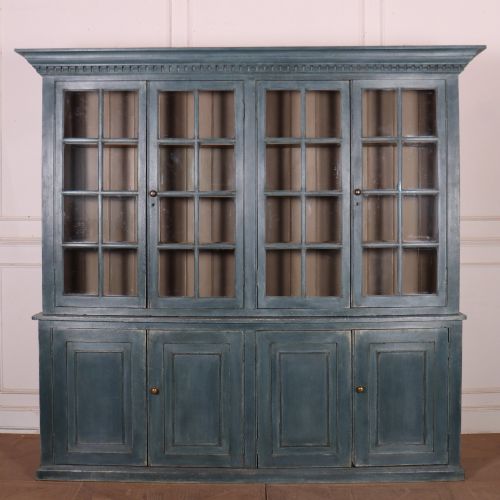
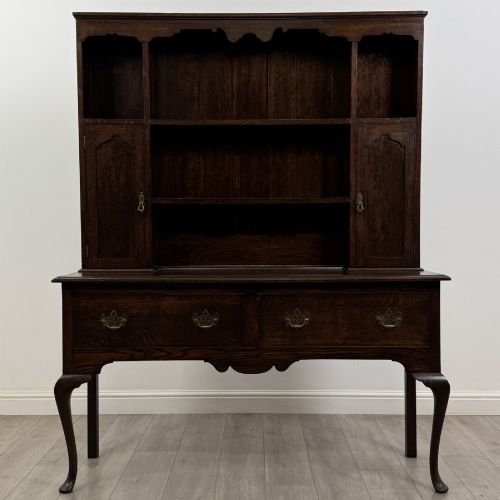
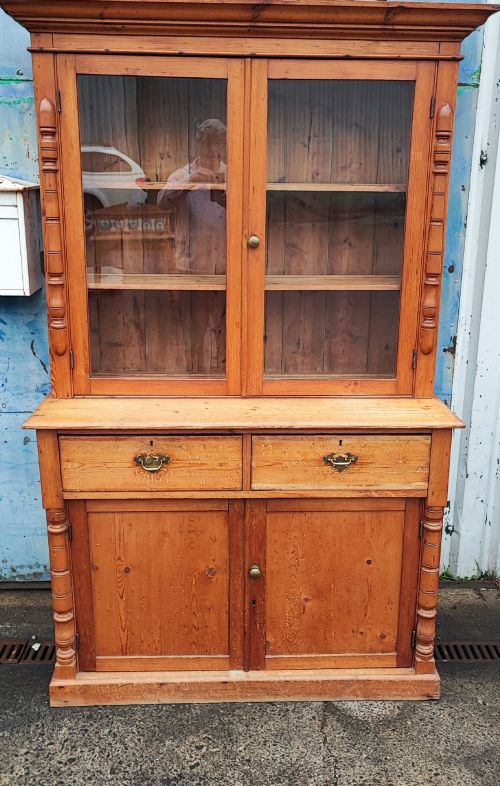
A kitchen display cabinet combines storage space for tableware with open or glazed shelving designed to exhibit pottery and provisions. The pieces on this page span from the eighteenth century through the Edwardian era, taking forms such as Welsh dressers, two-part cupboards, and glazed bookcase cabinets.
Pine and oak predominate, sourced from regional British workshops as well as French and Chinese makers. Buyers frequently encounter nineteenth-century pine and oak examples featuring open plate racks above counter surfaces or glazed doors protecting lower shelving.
Regional variations appear across English, Welsh, Scottish, and French pieces, ranging from the rustic simplicity of country pine to the architectural lines of Georgian and Victorian designs. Utility and display balance each other in these large domestic items, which served as the central storage units for rural and urban households alike.
Materials and Construction Techniques
Solid timbers form the structural core of these items, with pine, oak, walnut, and mahogany worked by hand using traditional joinery methods. Cabinet makers utilised dovetailed drawers, pegged joints, and brass or iron hardware to assemble the multi-part units.
Glazing relies on clear window glass set into wooden framing bars to protect contents from kitchen smoke and dust. Painted finishes, original patinas, and wax treatments applied to the timber surface protect the wood while showing decades of domestic use.
Kitchen Display Cabinet Retail Price Guide 2026
Typical asking prices for kitchen display cabinet among the pieces listed under this phrase on Sellingantiques today, from the lower quarter to the upper quarter. They describe what is for sale here now, not the wider market.
Common forms include Welsh dressers, two-part kitchen cupboards, and glazed bookcase cabinets originating from British, French, and Chinese workshops.
Evaluating Quality and Originality
The standard of a kitchen display cabinet rests upon the selection of timber, the integrity of the original joints, and the survival of surface treatments like early paint or deep patinated wax. Fine craftsmanship shows in the balanced proportions of upper racks to lower cupboards and the careful fitting of glazed doors.
Subtleties in regional design distinguish vernacular country pieces from formal urban furniture. Elements such as breakfront drawers, turned legs, and original brass or iron fixtures elevate the execution of a piece while preserving its historical character.
Liberty
The Kitchen Display Cabinet Glossary
- Welsh dresser
- A traditional kitchen storage unit featuring lower cupboards or drawers surmounted by open plate shelves. This form evolved to display pewter and ceramic tableware in domestic spaces.
- Plate rack
- A set of open wooden shelves fitted with grooves or rails to hold plates upright for display and drying. It forms the upper section of many traditional dressers.
- Buffet deux corps
- A substantial two-part cabinet originating in France, comprising a lower sideboard base beneath an upper glazed or enclosed cupboard. The term translates directly to a two-body buffet.
- Glazed cabinet
- A storage piece featuring glass-paned doors that allow contents to be viewed while protected from dust. This form appears across various periods including the Victorian and Edwardian eras.
Kitchen Display Cabinet: Frequently Asked Questions
What is a kitchen display cabinet used for?
These cabinets store tableware, ceramics, and kitchen provisions while keeping them visible behind glass or upon open shelves. They function as both utilitarian storage and decorative focal points in domestic interiors.
Historically, households utilised the upper racks for display and the lower cupboards for heavier pots, linens, or food stores. Today, they serve a similar dual purpose in modern kitchens and dining rooms.
How do I distinguish pine from oak pieces?
Pine is a softwood with a lighter weight, visible growth rings, and a pale yellow or creamy hue that deepens with waxing. Oak is a heavy hardwood featuring distinct grain patterns and medullary rays.
Pine items often carry painted finishes or country patinas, whereas oak pieces typically display the natural grain under a clear wax or polish.
Are these cabinets made in two parts?
Many large examples, particularly Welsh dressers and cupboards from the eighteenth and nineteenth centuries, are constructed in two separate sections. The upper rack or glazed cabinet rests upon the lower base unit.
This two-part construction facilitated transport through narrow doorways in older houses. It also allows the sections to be separated for moving or redecorating.
How do I care for antique wood furniture?
Maintenance involves dusting with a dry cloth and applying natural beeswax periodically to nourish dry timber. Avoid placing these pieces in direct sunlight or near heat sources to prevent wood splitting.
Maintaining a stable room temperature preserves the original patina and structural integrity of the timber over time.