



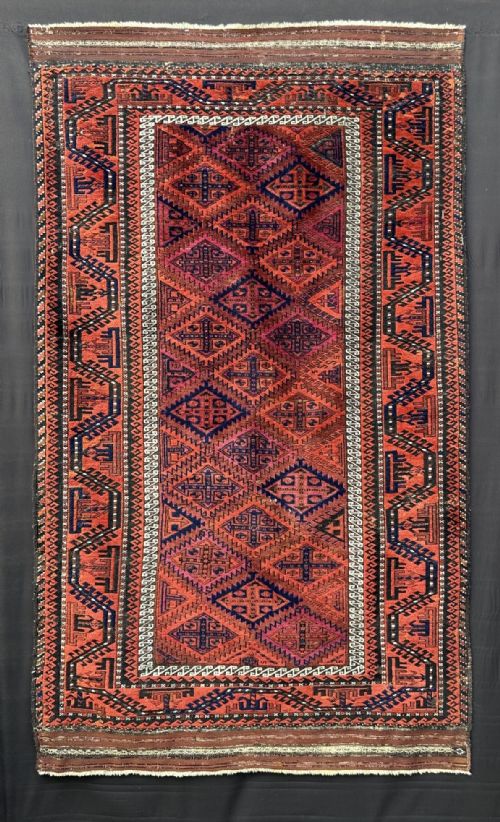

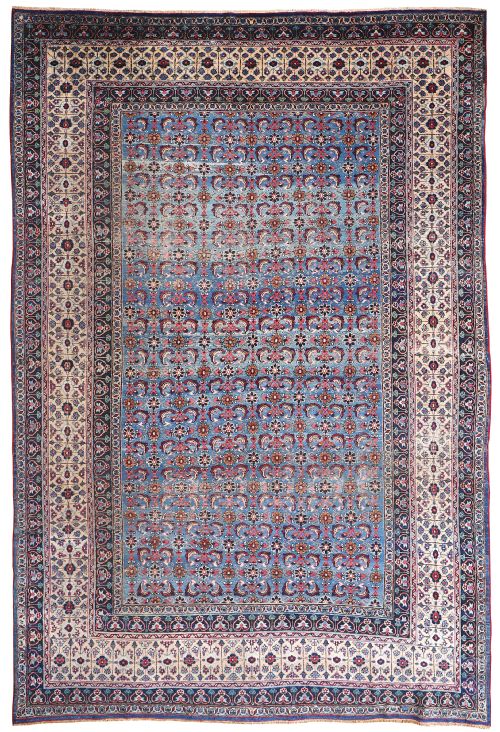
Khorassan Woven Rug
These khorassan woven rug examples are genuine regional textiles from North-East Persia, prized by collectors for their authentic tribal character and natural dyes.
Khorassan Woven Rug
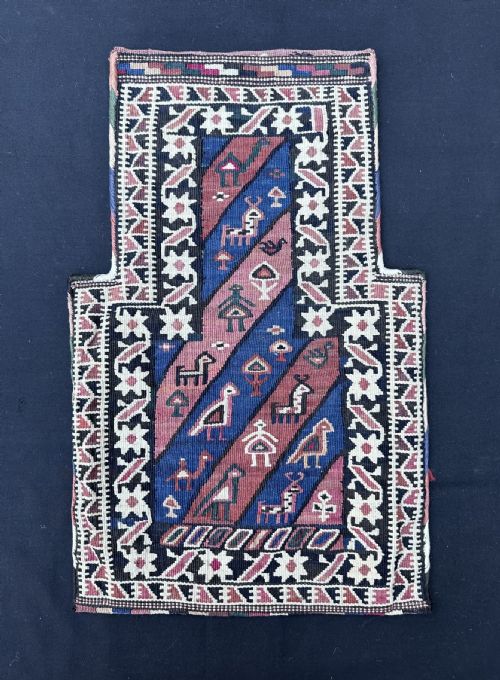
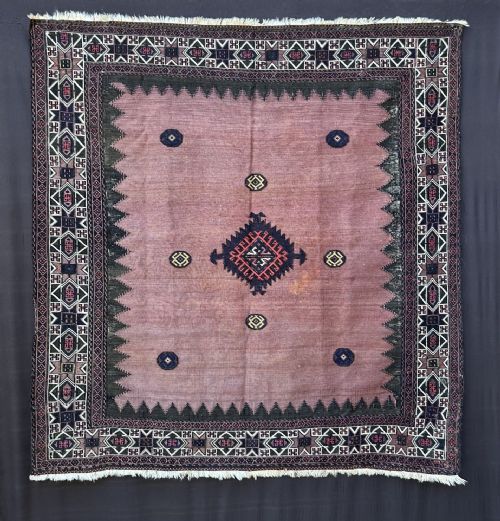
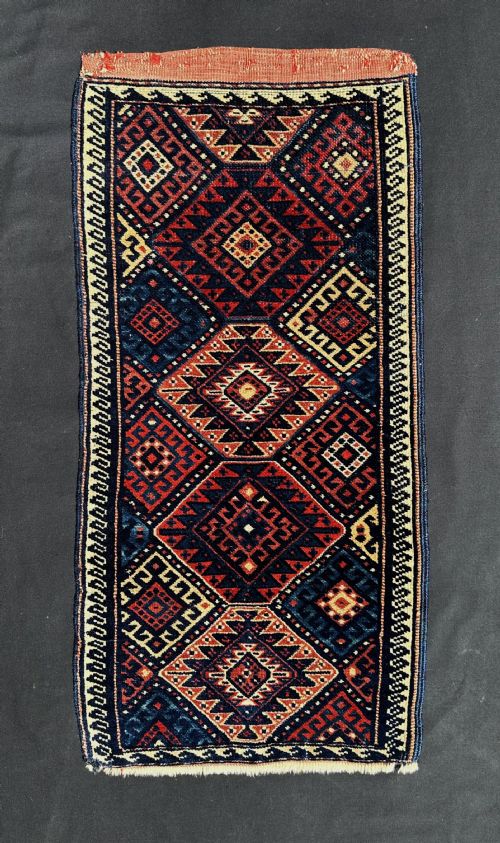
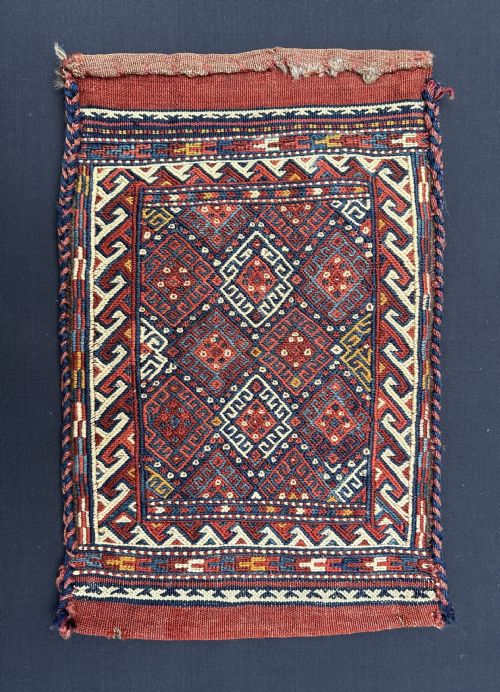
A khorassan woven rug represents nomadic and village textile production from the Khorassan province of Persia, spanning eras from 1880 to 1920. Buyers searching for a khorassan woven rug encounter diverse functional forms including utilitarian salt-bags, vanity-bags, pillow bag-faces, dining sofreh, prayer-rugs, and traditional carpets.
The material record shows a strong presence of tribal output from specific groups such as the Kordi tribes of Darreh Gaz, Quchan region, and various Baluch tribal divisions including Salar Khani and Bahluli tribes. These pieces carry distinct regional designs aligned with Persian tribal and Baluch tribal traditions.
Most examples on this page reflect the late nineteenth and early twentieth centuries, specifically dated across 1880, 1900, 1910, and 1920. Collectors find everything from small tribal bag-faces to larger floor coverings under this designation.
What varies in quality
Quality in a khorassan woven rug rests upon the fineness of the hand-spun wool, the complexity of the tribal design, and the depth achieved through natural dyes. Earlier pieces from 1880 often display superior handling of traditional Persian tribal motifs compared to later twentieth-century productions.
The integrity of the weave, particularly in utilitarian objects like salt-bags, sofreh, and prayer-rugs, dictates the overall standing of an individual textile within this regional category.
Listings span the period from 1880 to 1920, incorporating wool, cotton, hand-spun wool, and natural dyes across Persian tribal and Baluch tribal styles.
The Khorassan Woven Rug Glossary
- Sofreh
- A spread or cloth used for dining or food preparation among tribal groups. These flatwoven or piled textiles feature specific geometric layouts.
- Balisch
- A pillow or bag-face woven by nomadic groups for domestic use. The face often displays dense tribal iconography.
- Kordi
- Pertaining to Kurdish tribal groups settled in regions such as Darreh Gaz and Quchan within Khorassan. Their weaving style incorporates distinct regional patterns.
- Natural dyes
- Colourants derived from plant, insect, and mineral sources rather than synthetic chemicals. They age gracefully and develop a characteristic patina over decades.
Khorassan Woven Rug: Frequently Asked Questions
What is a khorassan woven rug?
A khorassan woven rug is a hand-knotted or flatwoven textile originating from the Khorassan province in North-East and East Persia. These pieces include tribal rugs, carpets, prayer-rugs, and utilitarian bags made by groups like the Kordi and Baluch tribes.
They reflect the traditional craft of nomadic and village communities active between 1880 and 1920, utilising wool and natural dyes.
How were tribal bags used?
Tribal bags such as salt-bags, vanity-bags, and pillow bag-faces served practical storage functions within nomadic households. They held personal possessions, salt, or household goods during migrations or inside tents.
Over time, these functional objects became recognised for their intricate tribal designs and fine weaving.
How do I date these rugs?
Dating relies on stylistic analysis, material composition, and structural evidence recorded across periods from 1880 to 1920. Earlier examples often feature hand-spun wool and specific natural dye palettes characteristic of nineteenth-century tribal production.
Comparing structural details with documented pieces helps place an object within this timeframe.
Are natural dyes easy to spot?
Natural dyes exhibit subtle tonal variations and depth that synthetic dyes rarely replicate. They mellow gently with age, harmonising across the field of the rug.
Examining the wool under natural light reveals the slight colour shifts typical of plant and mineral colourants.