


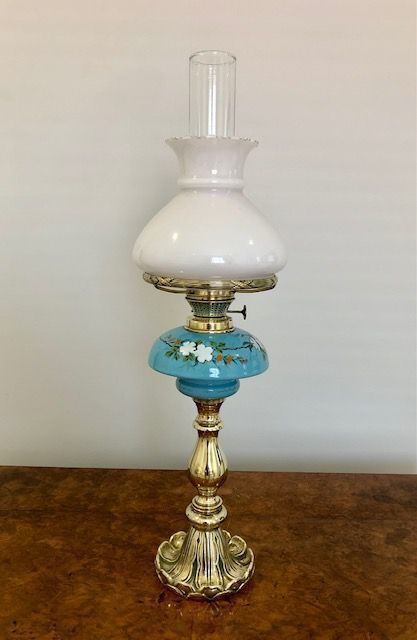


Kerosene Desk Lamp
These kerosene desk lamps bring period illumination and heavy metal and glass work to a modern writing table.
Kerosene Desk Lamp
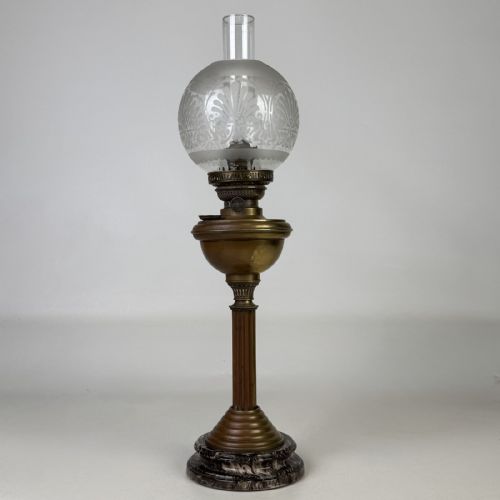
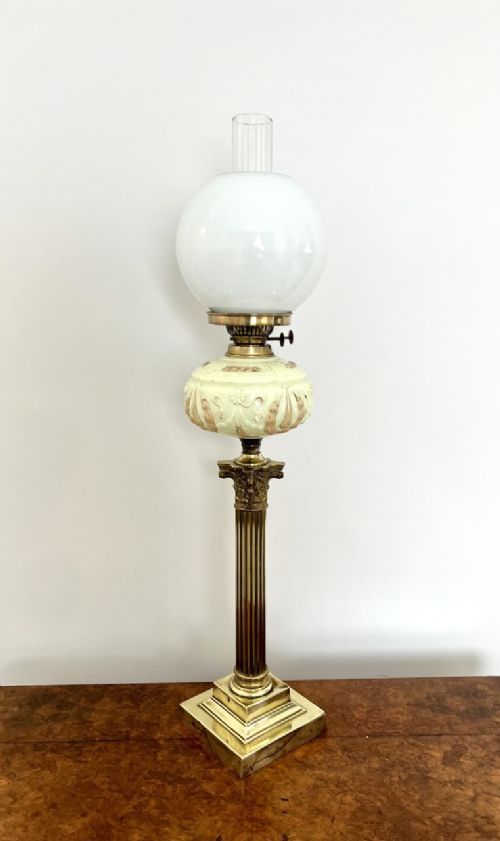
A kerosene desk lamp is a functional lighting piece designed for a work surface, drawing on nineteenth-century domestic illumination. You will frequently encounter heavy brass columns paired with glass reservoirs and shades across the Victorian and Edwardian periods.
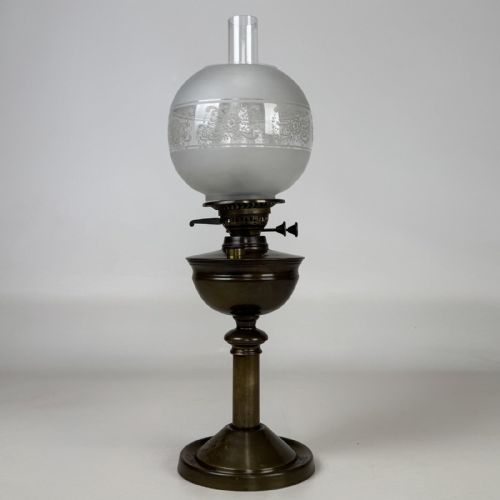
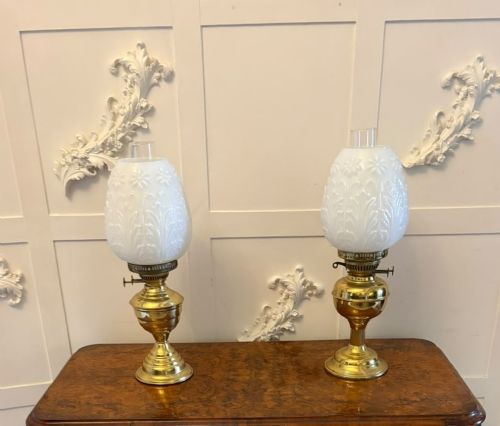
The selection ranges from simple reeded brass columns to elaborate Meiji period Japanese bronze pieces and Arts and Crafts copper designs. Most examples combine a metal base with either clear, frosted, opaline, or hand-painted glass elements.
How they were made
Makers constructed these lamps using cast and turned brass, bronze, copper, and ceramics for the structural bodies and bases. Metalwork was often combined with blown or cut glass for the oil reservoirs and shades, utilising specialist burners such as the Vulcan or Wild and Wessel mechanisms.
Decoration relied on hand-painted glass surfaces, intricate metal reeding, and contrasting black glass bases rather than applied ornamentation.
Kerosene Desk Lamp Retail Price Guide 2026
Typical asking prices for kerosene desk lamp among the pieces listed under this phrase on Sellingantiques today, from the lower quarter to the upper quarter. They describe what is for sale here now, not the wider market.
Listings span the Victorian era, Edwardian period, and Japanese Meiji era, utilising brass, bronze, copper, ceramic, and various glass types.
What varies in quality
Quality rests in the weight and thickness of the cast metal and the clarity or hand-finishing of the glass components. Finer examples display crisper detailing in the column reeding and more substantial brass or bronze gauge throughout the body.
The sophistication of the burner mechanism and the presence of original opaline or cut glass shades distinguish standard production from superior pieces.
The Kerosene Desk Lamp Glossary
- Opaline Glass
- A pale, translucent white glass often used for lamp shades to diffuse the light evenly. It softens the direct glare of the flame.
- Reeded Column
- A cylindrical lamp stem carved with parallel vertical grooves. This classical architectural detail appears frequently on nineteenth-century brass examples.
- Burner
- The metal mechanism at the top of the oil reservoir that holds the wick and chimney. Named makers like Vulcan and Wild and Wessel denote specific mechanical systems.
- Reservoir
- The container that holds the kerosene or paraffin fuel, typically fashioned from glass, ceramic, or metal. It sits directly beneath the burner assembly.
Kerosene Desk Lamp: Frequently Asked Questions
Can I use these lamps for daily lighting?
Most buyers wire these lamps for electricity or retain them strictly as decorative objects on a desk. Using them with actual kerosene requires specialist knowledge and careful handling of period burners.
For everyday living, conversion to modern electric bulbs allows you to enjoy the original brass and glass aesthetics safely in a contemporary study.
How do I identify a Victorian period lamp?
Victorian pieces often feature heavy brass construction, reeded columns, and frosted or white glass shades. Look for period manufacturing traits such as cast metal bases and traditional burner thumbscrews.
Comparing the weight of the metal and the style of the glass shade against dated examples helps confirm the nineteenth-century origin.
What is the difference between brass and bronze models?
Brass lamps typically show a bright golden metal finish and form the vast majority of standard nineteenth-century table lighting. Bronze examples, such as Japanese Meiji period pieces, offer a darker, heavier metallic composition with different patination.
Both metals provide solid structural support for the glass reservoirs and heavy shades resting above.
How should I clean the glass shades?
Wash opaline and frosted glass shades gently in warm soapy water using a soft cloth. Avoid harsh abrasives that can damage hand-painted details or delicate glass surfaces.
Dry the components thoroughly before reassembling them onto the brass collar of the lamp.