



Keepsake Photo Locket
A keepsake photo locket holds a miniature portrait or hair behind glass, offering a tangible link to someone absent.
Keepsake Photo Locket
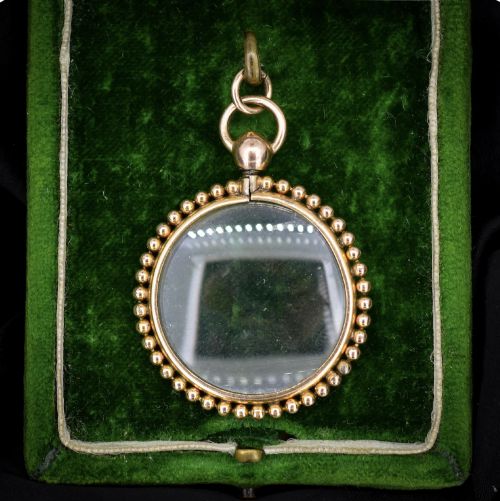
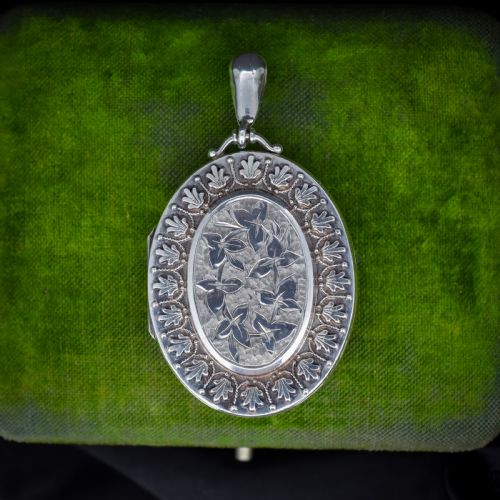
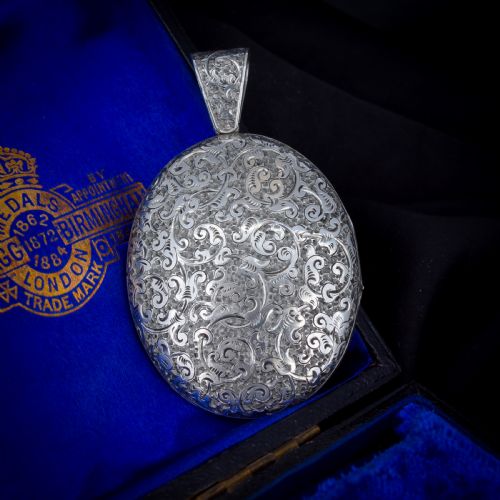
A keepsake photo locket is a pendant worn around the neck or suspended as a watch fob, designed specifically to secure tiny portraits, photographs or hair beneath glass or within hinged metal compartments. These pieces function simultaneously as personal mementoes and items of jewellery.
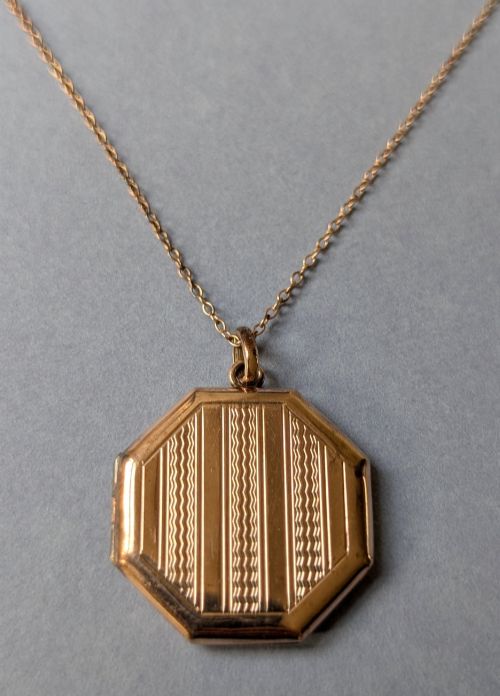
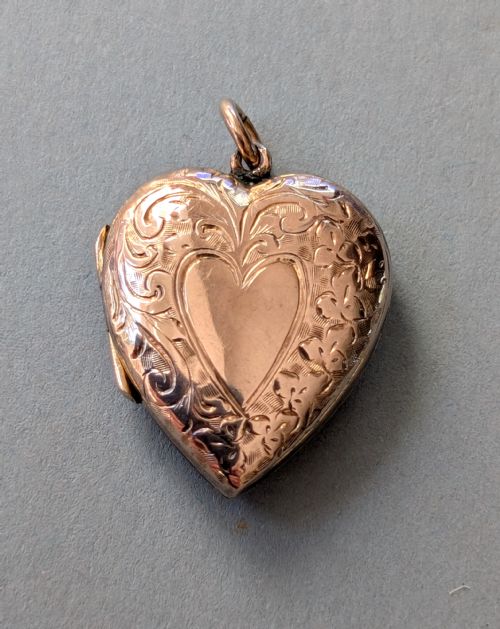
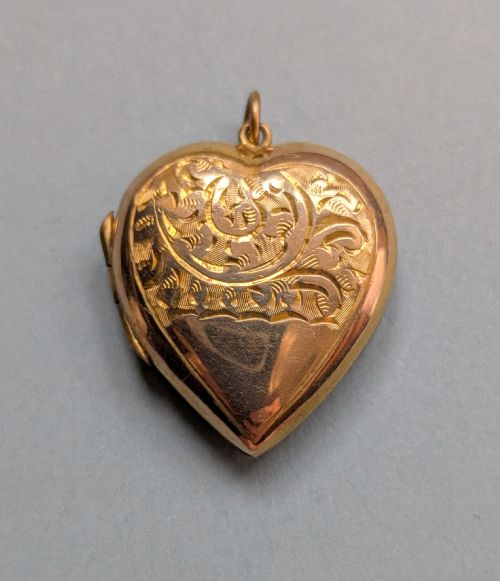
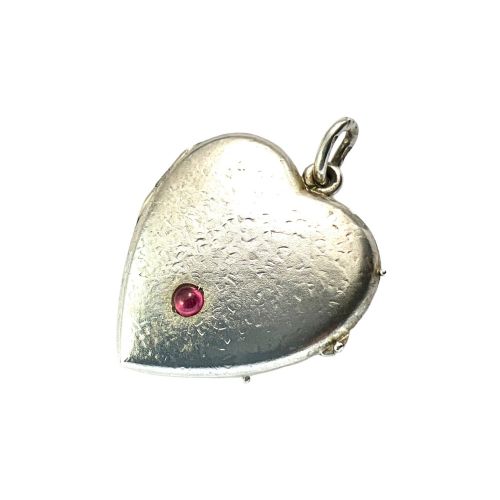
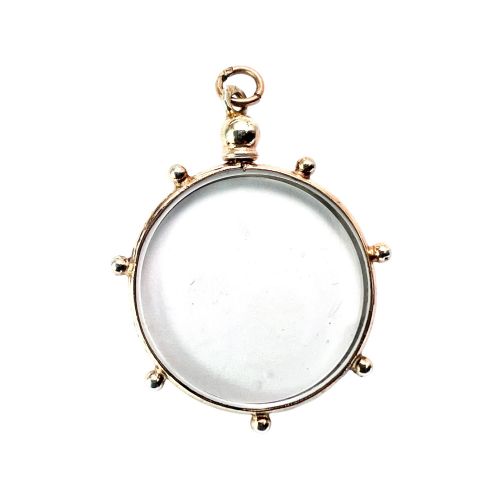
The versions most commonly met on this page span the Victorian and Edwardian eras, alongside pieces from the nineteenth century, the nineteen-forties and nineteen-fifties. They appear in circular, oval, octagonal, book, crucifix and puff heart forms, frequently styled within the Aesthetic Movement or Art Deco traditions.
Makers fashioned these pendants as lockets, pendant lockets, necklace charms and mourning pieces. They serve to keep likenesses close to the heart, combining sentiment with the prevailing decorative aesthetics of their respective decades.
Materials and construction methods
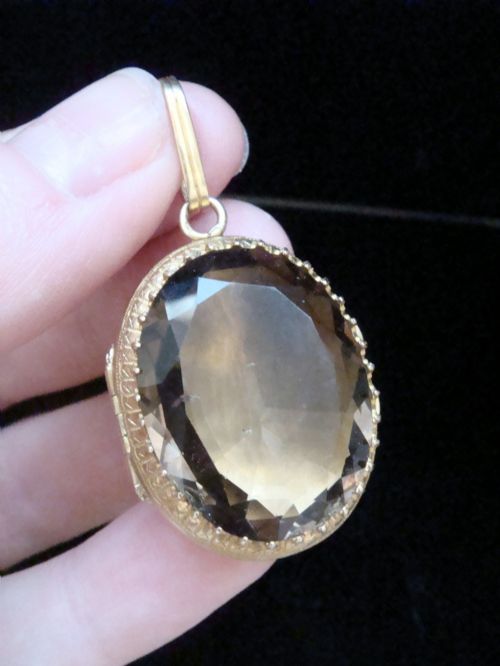
Metals employed across these pieces range from sterling silver and solid silver to nine-carat, fifteen-carat and eighteen-carat yellow, rose and high-carat gold, occasionally utilising gold on silver or back and front construction where precious metal plates a base core. Gemstones such as diamonds, citrines, turquoise, pearls and sapphires are set into the surfaces.
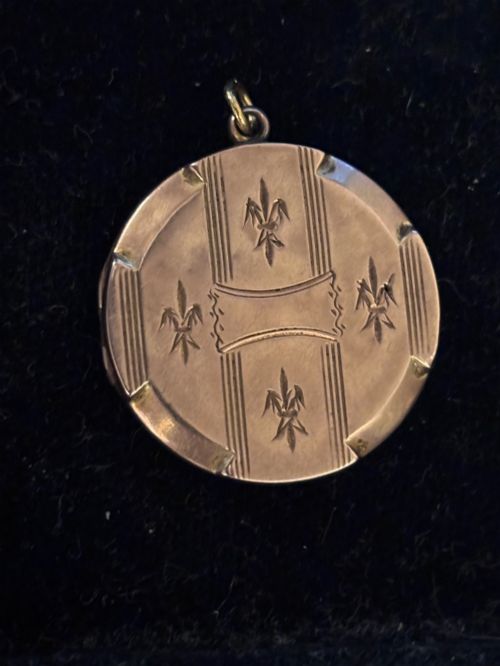
Constructive techniques rely on hand engraving, engine-turned detailing, chasing and repoussé work to pattern the exterior metal casings. Glass components, including faceted glass and glass tops with screw mechanisms, protect the interior photographs, painted miniatures and hairwork.
Keepsake Photo Locket Retail Price Guide 2026
Typical asking prices for keepsake photo locket among the pieces listed under this phrase on Sellingantiques today, from the lower quarter to the upper quarter. They describe what is for sale here now, not the wider market.
Some lockets mimic pocket watches down to the tiny winding stem, confusing timekeeping enthusiasts at first glance.
Distinctions in quality
Quality rests upon the weight and purity of the metal, distinguishing solid gold or substantial silver pieces from thinner back and front or gold-on-silver examples. The integration of high-carat gold, natural diamonds or pearls elevates a piece above standard production.
The execution of hand-engraved motifs, engine-turned patterns, miniature paintings and secure bezel settings determines the standard of craftsmanship. Pieces possessing intact internal frames, original glass and functional hinges reflect superior original manufacture.
The Keepsake Photo Locket Glossary
- Back and Front
- A method of construction where precious gold sheets enclose a base metal core for durability and economy. This technique allowed heavier forms to be produced without prohibitive costs.
- Engine-Turned
- A geometric decorative pattern cut into metal by a lathe-like machine. It produces precise, repetitive lines across the surface of the locket.
- Mourning Locket
- A piece created to remember a deceased person, frequently containing braided human hair behind glass. These items carry deep sentimental value from the Georgian and Victorian periods.
- Puff Heart
- A three-dimensional heart-shaped locket swollen in profile rather than flat. This style gained particular popularity during the Edwardian era.
- Watch Fob
- A short chain or pendant attached to a pocket watch, occasionally repurposed as a locket. They hung from waistcoats or chains.
Keepsake Photo Locket: Frequently Asked Questions
What is a keepsake photo locket?
A keepsake photo locket is a hinged pendant designed to hold tiny photographs, portraits or locks of hair near the heart. They combine personal sentiment with decorative metalwork.
These pieces were worn on chains or watch fobs, serving as portable memorials or tokens of affection across the nineteenth and twentieth centuries.
How do I open an antique locket?
Most lockets utilise a small fingernail notch or a side hinge that swings open when gentle pressure is applied. Older pieces may rely on tiny screw-top glass bezels.
Care must be taken with vintage hinges and glass panels to avoid bending the gold or silver frame during opening.
What metal is best for daily wear?
Solid nine-carat or eighteen-carat gold and solid sterling silver offer the durability required for regular wear. Back and front or gold-on-silver variants require more care to preserve the thin exterior metal layer.
Choosing a solid construction ensures the hinges and photo frames withstand frequent handling.
How do I date an Edwardian locket?
Edwardian lockets often feature lighter gold or silver work, sometimes incorporating platinum, old-cut diamonds or puff heart shapes. Their motifs frequently reflect early twentieth-century tastes.
Comparing the hallmark stamps, style of engraving and overall form against known periods helps establish the approximate decade of manufacture.