




Kazak Wool Carpet
A kazak wool carpet brings bold geometric medallions and saturated natural dyes straight from the nineteenth-century Caucasus into your room.
Kazak Wool Carpet
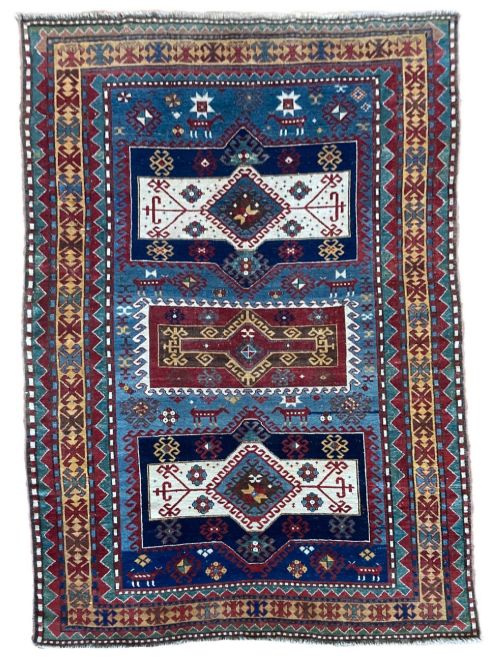
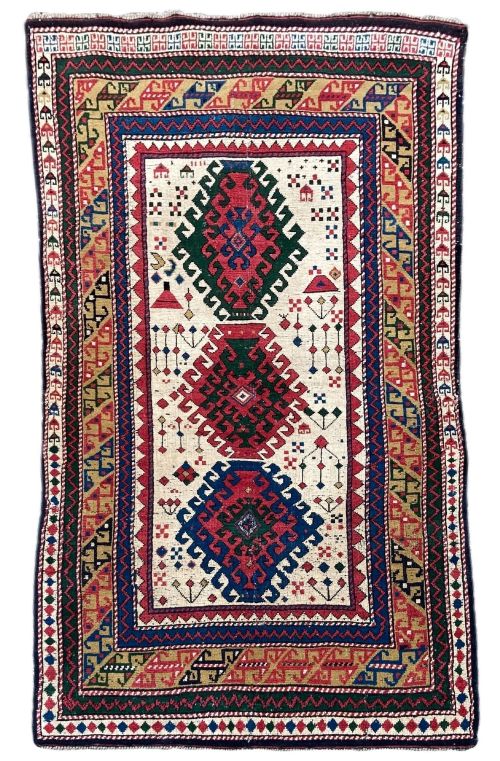
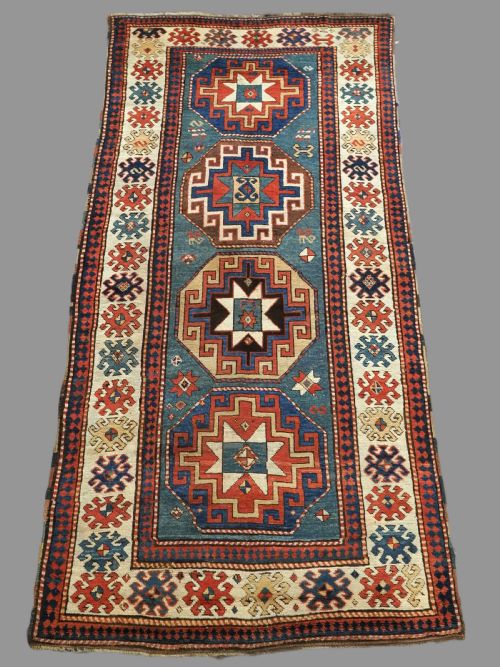
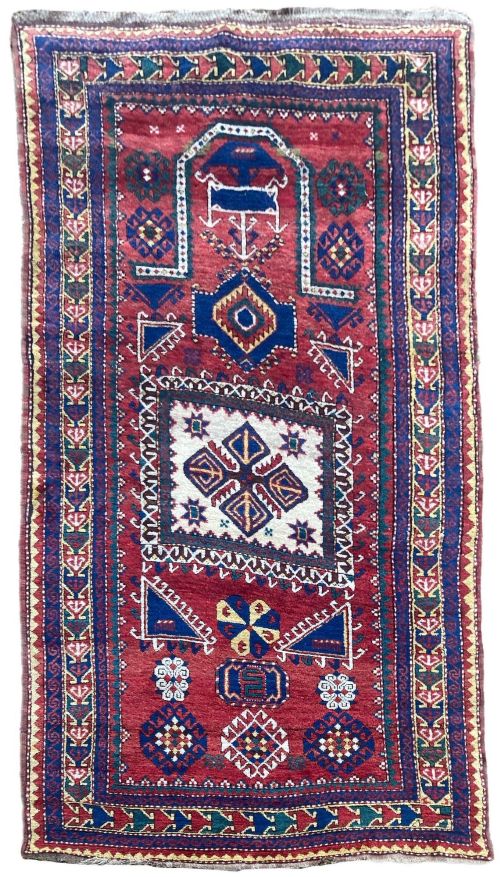
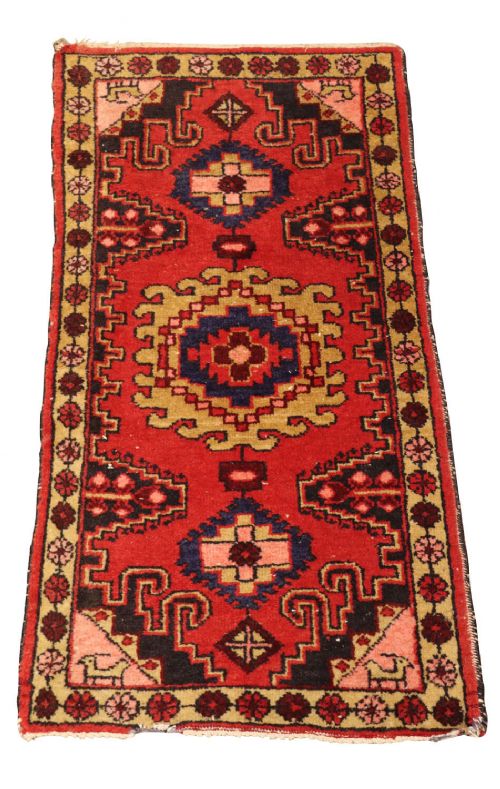
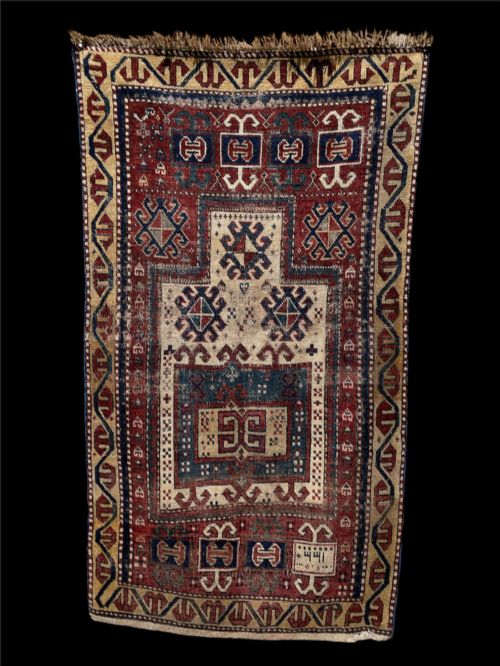
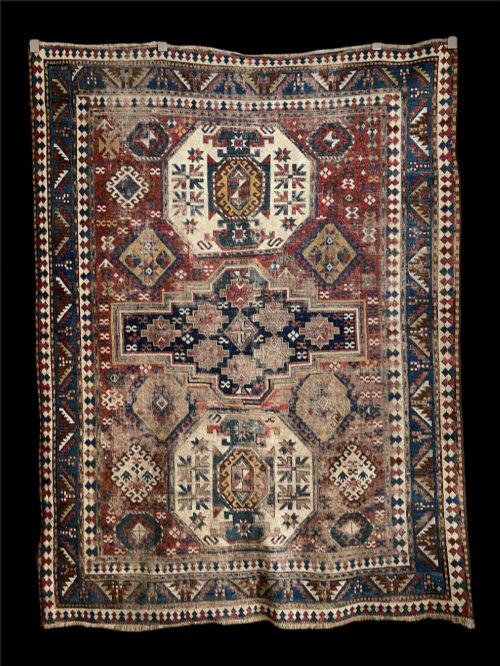
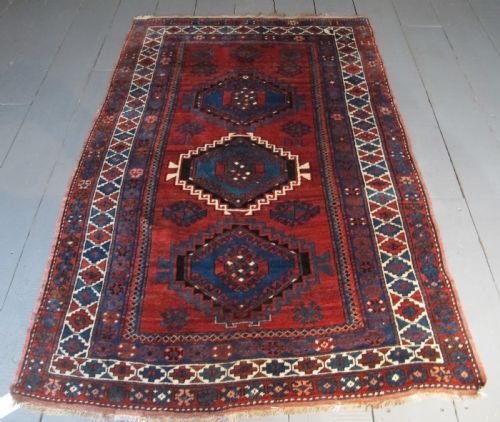
A kazak wool carpet is a tribal floor covering woven in the Caucasus mountains during the nineteenth and early twentieth centuries. These pieces display distinct village patterns, including hooked medallions, animal motifs, and precise geometric lattices.
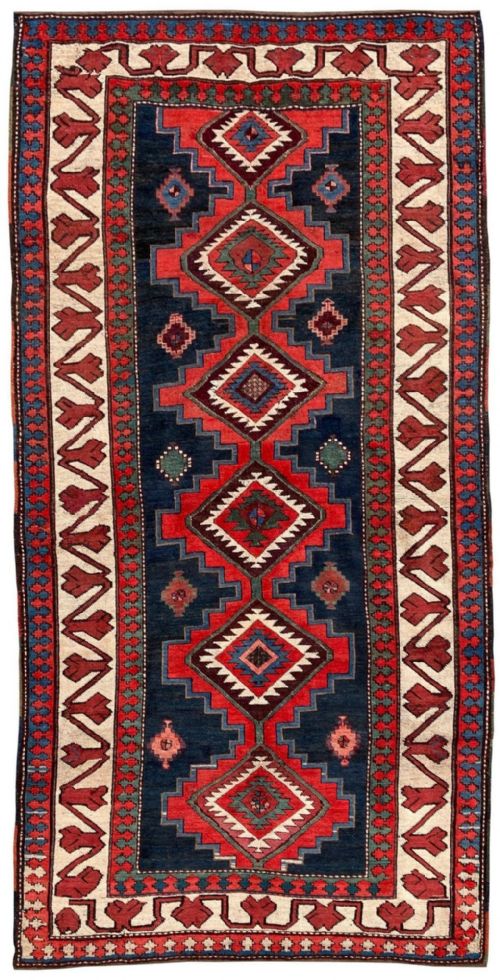
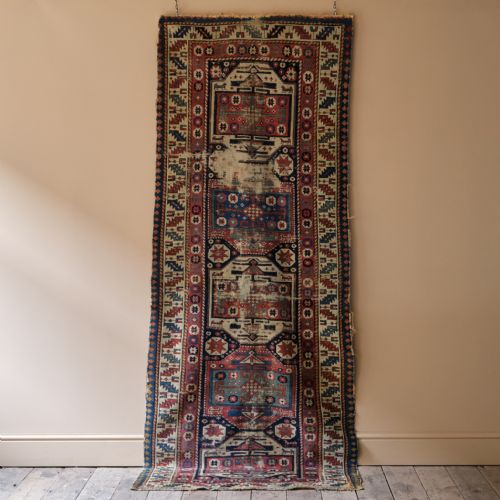
The versions you meet most frequently on this page include area rugs, prayer rugs, and longer runners. They arrive from specific Caucasian regions such as Sewan, Fachralo, Borchalu, and Karachov, spanning dates from the mid-nineteenth century onward.
Makers utilised traditional formats, resulting in formats ranging from square prayer configurations to elongated runners. Each carpet reflects the visual vocabulary of its specific Caucasian weaving group.
How they were made
Weavers constructed these carpets using hand-spun wool for the pile and cotton for the foundational warps and wefts. This combination creates a dense, resilient handle that bends easily yet retains its structural integrity.
The artisan workshops relied entirely on natural dyes to colour the wool, yielding rich reds, greens, blues, and yellows that mature gracefully over decades. Hand-knotting techniques bound the fleece tightly to the foundation, producing a sturdy textile designed for daily utility.
Kazak Wool Carpet Retail Price Guide 2026
Typical asking prices for kazak wool carpet among the pieces listed under this phrase on Sellingantiques today, from the lower quarter to the upper quarter. They describe what is for sale here now, not the wider market.
Several runners feature cheerful animal motifs woven directly among the geometric medallions, adding sudden life to the strict tribal symmetry.
What varies in quality
The distinction between ordinary and exceptional examples rests in the crispness of the geometric drawing and the vibrancy of the dye palette. Subtle tonal shifts within a single colour field indicate skilled natural dyeing rather than flat chemical application.
Knot density and the suppleness of the wool foundation also determine the grade of the piece. A tightly packed pile ensures that medallions and animal motifs remain sharp and defined through generations of wear.
The Kazak Wool Carpet Glossary
- Prayer rug
- A small format featuring a distinct niche or mihrab design at one end, traditionally used for individual daily devotion. These pieces often display compact proportions suited for smaller spaces.
- Boteh
- A stylised almond or pear-shaped motif filled with floral patterns, frequently arranged in rows across runners and field grounds. This ancient symbol appears across various regional weaving styles.
- Medallion
- A central geometric emblem set into the field of the rug, often repeating in chains of two or three. These focal shapes define the architectural symmetry of the design.
- Runner
- An elongated format designed for corridors, hallways, and narrow spaces. These pieces balance repeated border patterns with central motifs.
- Natural dye
- Colour extracted from plants, insects, and minerals rather than synthetic compounds. These substances create nuanced patination as the wool ages.
Kazak Wool Carpet: Frequently Asked Questions
Where were these carpets made?
These textiles originated in the Caucasus region, spanning modern-day Armenia, Azerbaijan, and Georgia. Village weavers working in specific districts produced distinctive regional designs.
Local tribes passed down patterns through generations, maintaining strict adherence to traditional geometric layouts and local colour palettes.
How do I clean a wool carpet?
Vacuum gently without using a rotating beater bar to protect the hand-knotted pile and cotton foundations. Professional cleaning tailored to antique textiles remains essential for deep maintenance.
Avoid harsh chemical detergents and excessive moisture, which can damage natural dyes and weaken hand-spun fleece.
Are these pieces suitable for heavy foot traffic?
The dense wool construction and sturdy hand-knotting technique make these rugs remarkably durable for everyday use. Placed in moderate traffic areas, they endure daily life while maintaining their structure.
Using a quality underlay prevents slippage and cushions the foundation against hard flooring surfaces.
How can I tell regional designs apart?
Distinctions lie in the arrangement of medallions and the specific use of motifs like animal figures or floral lattices. Fachralo and Karachov pieces often feature large square or hooked centre blocks.
Other regional groups such as Gendje or Moghan favour repeating boteh patterns and narrower formats suited for runners.