



Kashmiri Painted Table
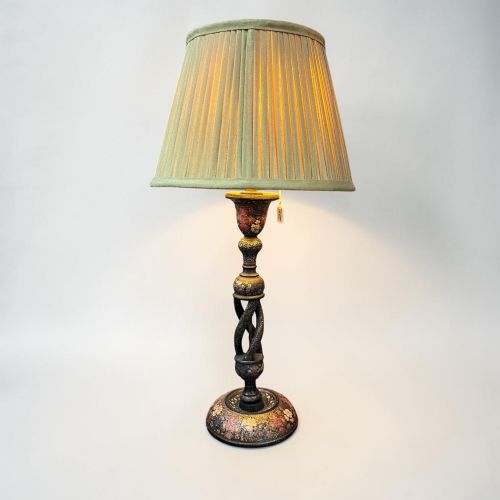
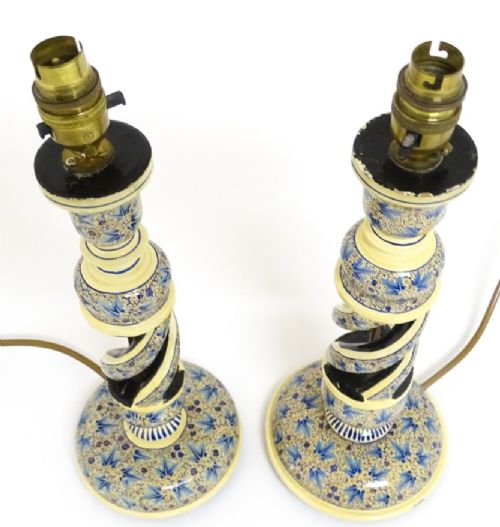
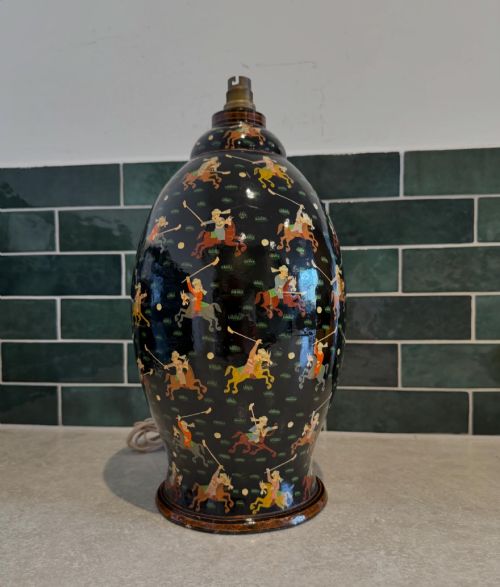
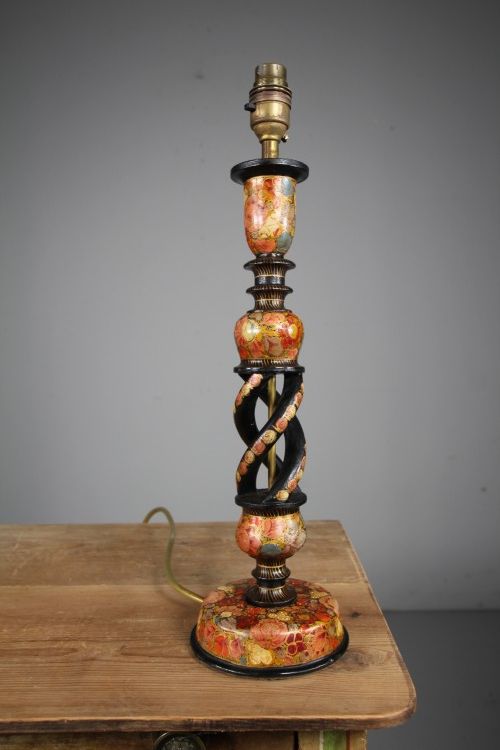
A kashmiri painted table brings vibrant craftsmanship and intricate artistry into a room, offering functional surfaces decorated with distinct patterns.
Kashmiri Painted Table
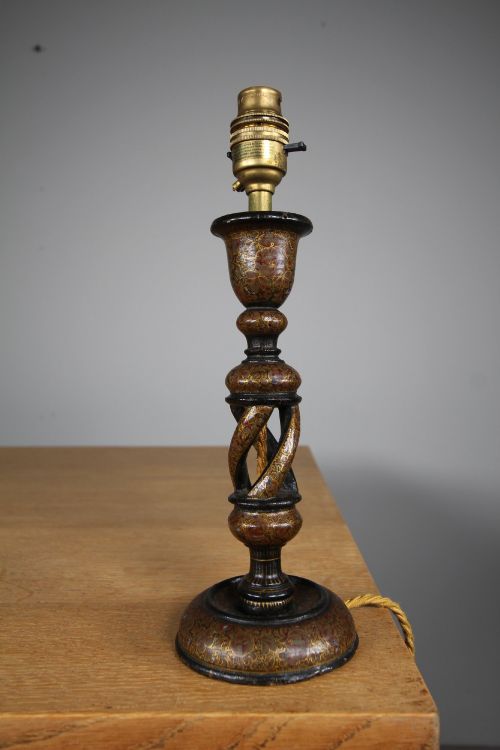
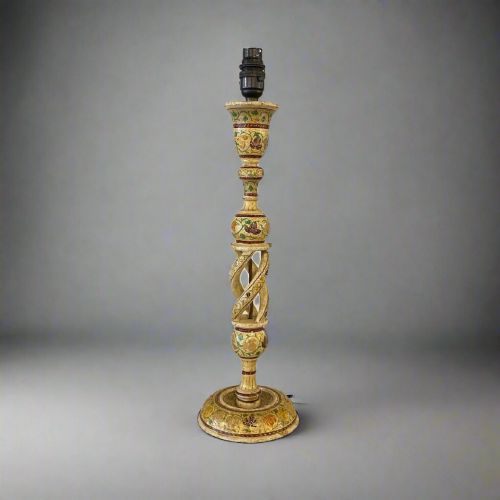
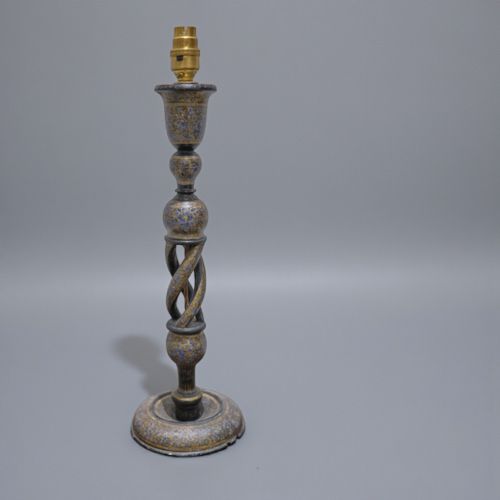
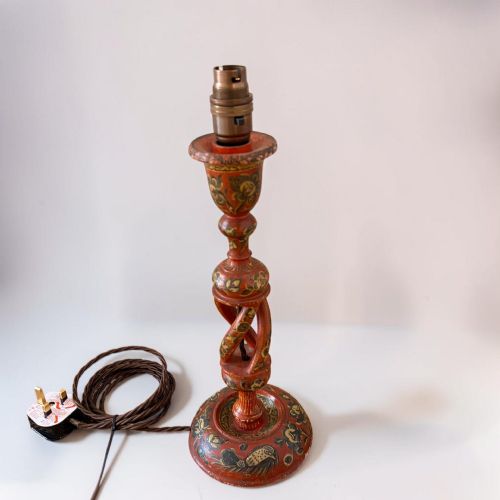
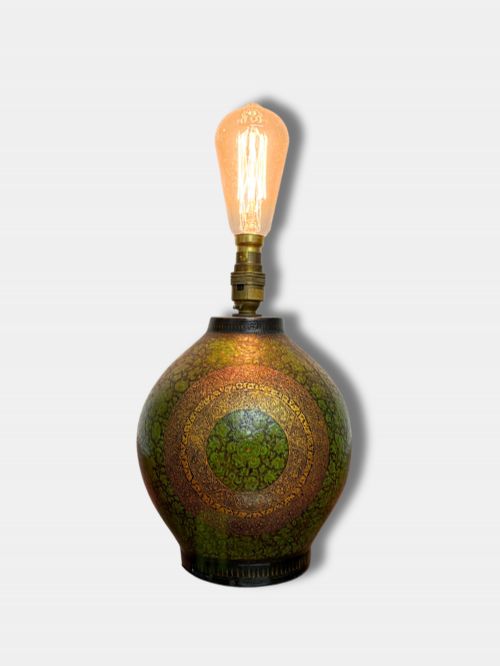
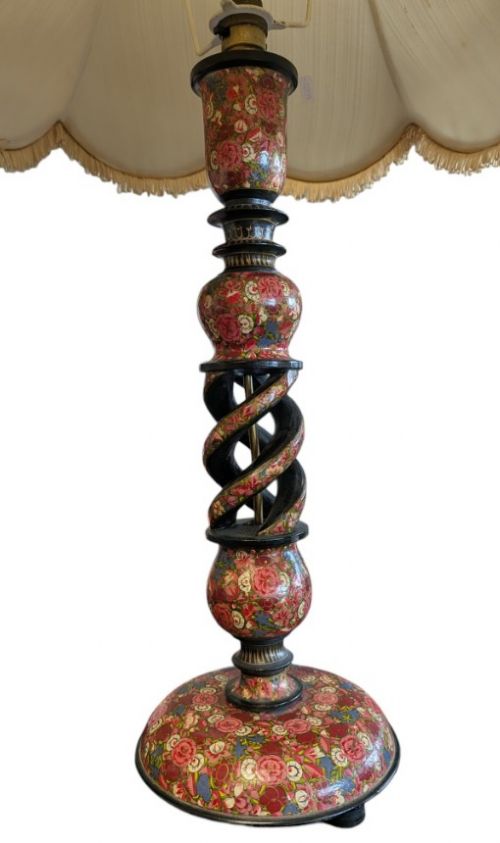
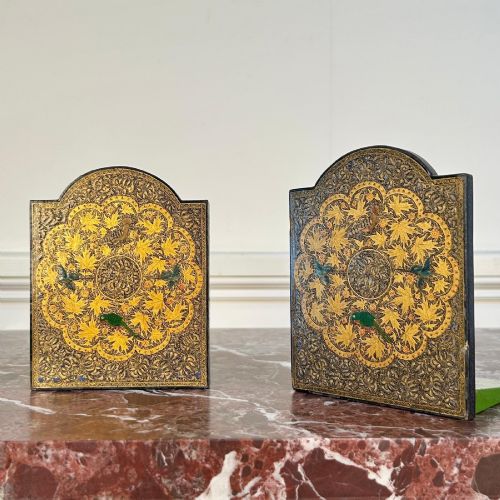
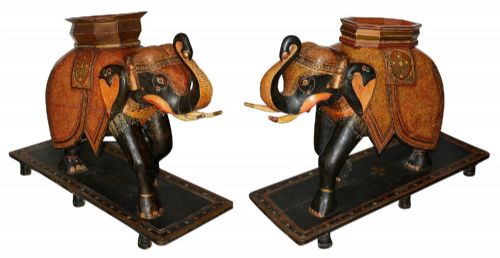
A kashmiri painted table encompasses small side surfaces and occasional pieces created within the Kashmiri artistic tradition. These items showcase detailed hand-painted decoration that transforms simple wooden structures into striking visual centerpieces.
Buyers encountering this group will frequently find items originating from the late nineteenth century and the early twentieth century, alongside Victorian examples. The selection spans compact side tables featuring fine painted details.
The aesthetic bridges traditional Kashmiri folk art and Anglo-Indian tastes, reflecting a historical cross-cultural exchange. These pieces offer a distinct decorative character that suits eclectic or traditional interiors alike.
Materials and construction
Makers utilised wood as the primary foundation for these surfaces, frequently applying gesso to create a smooth base for intricate decoration. Lacquer finishes were then layered over the painted designs to protect the pigments and provide a distinct sheen.
The surface decoration relies entirely on hand-painted pigments, sometimes enhanced with gilt gold to highlight specific motifs. Artisans also employed carved wood techniques on select pieces, adding physical texture beneath the colourful painted layers.
Kashmiri Painted Table Retail Price Guide 2026
Typical asking prices for kashmiri painted table among the pieces listed under this phrase on Sellingantiques today, from the lower quarter to the upper quarter. They describe what is for sale here now, not the wider market.
Listings in this category span the nineteenth century, Victorian era, nineteen-hundreds, nineteen-twenties, and nineteen-thirties.
Evaluating quality and execution
The distinction between standard and superior pieces rests heavily on the intricacy and preservation of the painted surface. Fine detailed paintwork with well-preserved gilt gold and crisp floral or patterned motifs indicates a higher grade of craftsmanship.
The structural integrity of the wooden frame and the stability of the lacquer coating also dictate overall merit. Pieces that retain their original hand-painted decoration with minimal loss demonstrate superior historical survival compared to heavily restored examples.
The Kashmiri Painted Table Glossary
- Lacquer
- A protective and decorative coating applied to wooden surfaces in multiple layers. It cures to a hard finish that preserves the delicate painted artwork beneath.
- Gesso
- A plaster-like mixture applied to wood to prepare a smooth surface for painting or gilding. It provides an even ground for detailed Kashmiri artistic motifs.
- Anglo-Indian
- A style reflecting the design influences of British presence in India during the nineteenth century. It combines traditional local craftsmanship with forms tailored to Western domestic tastes.
- Kashmiri Folk Art
- A traditional aesthetic style characterised by vibrant colours and stylised natural motifs unique to the Kashmir region. This artwork forms the primary visual identity of these painted surfaces.
Kashmiri Painted Table: Frequently Asked Questions
How should I clean a painted surface?
Maintenance requires gentle dusting with a soft, dry cloth to prevent accumulation without disturbing the delicate lacquer or pigment layers.
Avoid moisture, chemical cleaners, and abrasive materials entirely, as these can permanently damage the historic paintwork.
What materials make up these tables?
Makers constructed these items using wood, frequently applying gesso preparations and lacquer finishes over the primary structure.
Surface decoration relies on hand-painted pigments, occasionally incorporating gilt gold accents alongside carved wood elements.
How do I identify Anglo-Indian influence?
This style appears where traditional Kashmiri ornamentation meets furniture forms adapted for Western domestic interiors of the period.
The combination reflects the cultural exchange during the British colonial era in India.