
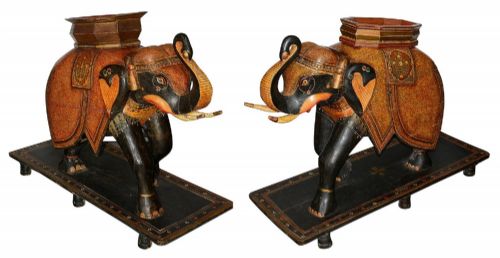


Kashmiri Lacquer Table
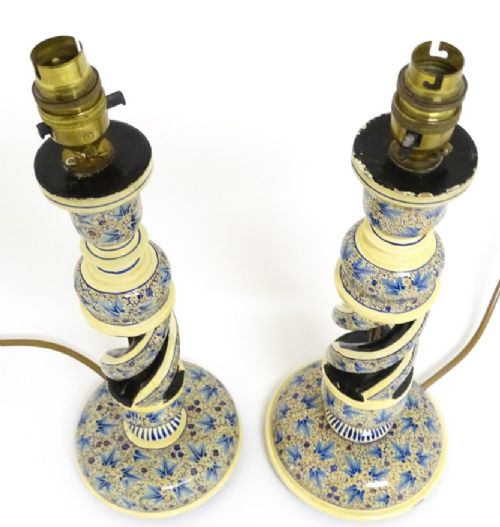
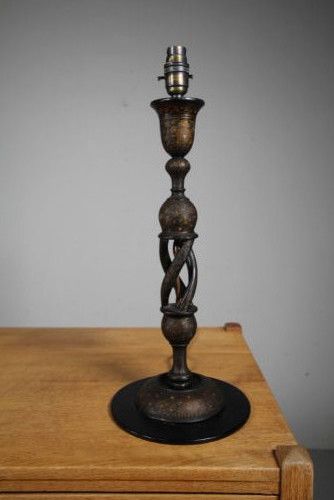
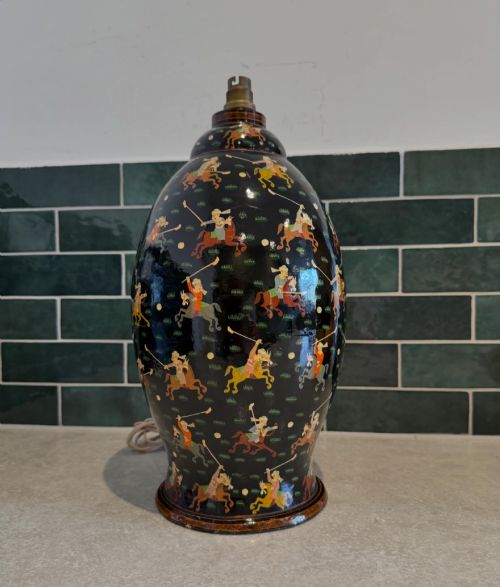
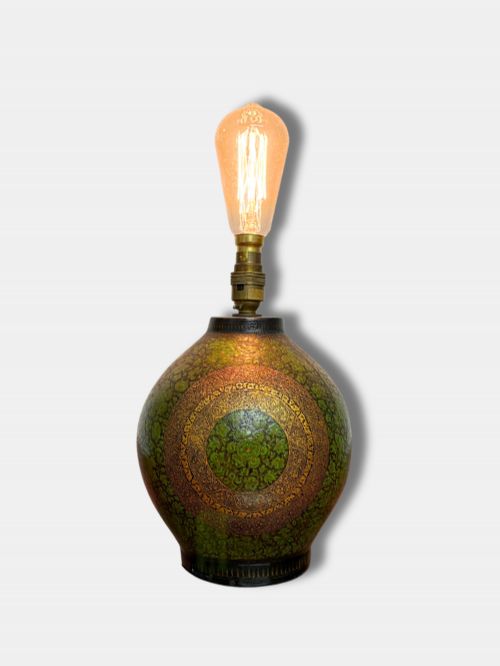
These Kashmiri lacquer table pieces bring vibrant hand-painted colour and intricate woodwork straight into a room.
Kashmiri Lacquer Table
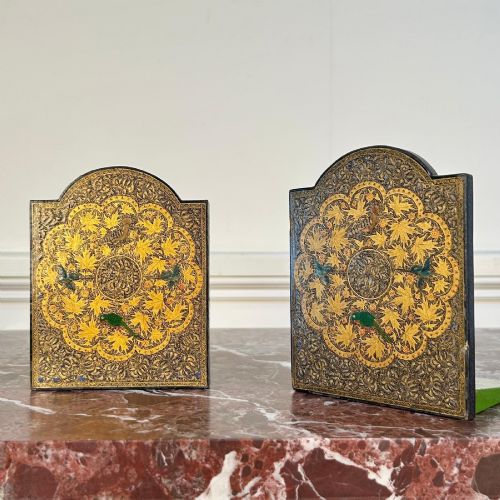
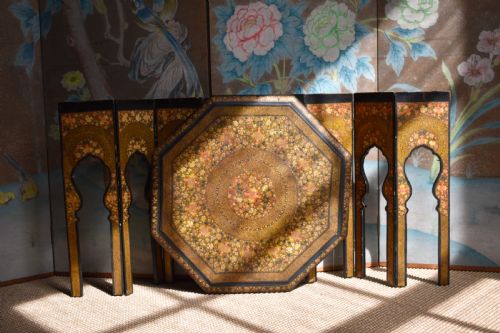
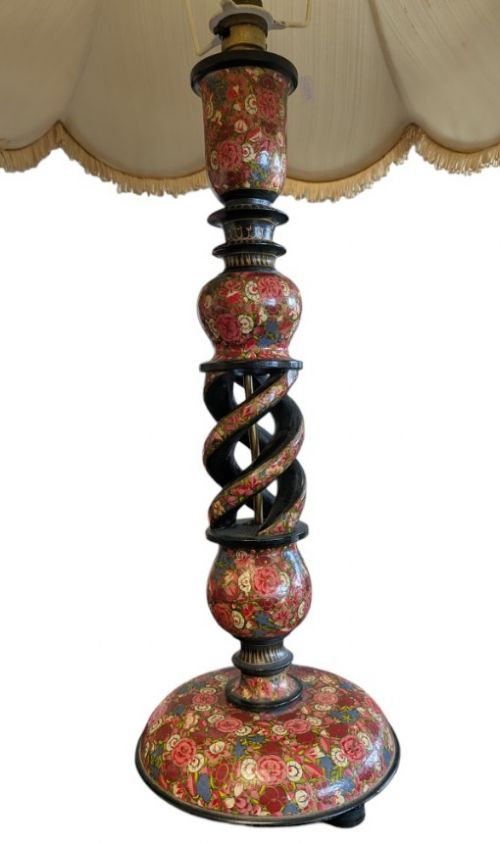
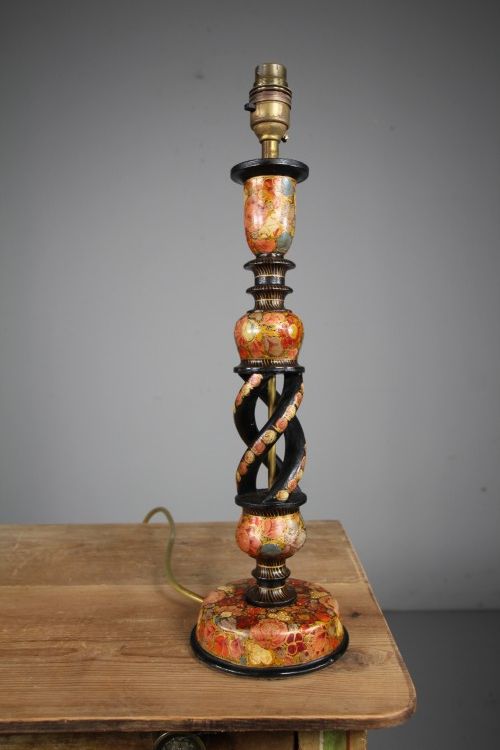
When you search for a kashmiri lacquer table, you are looking at decorative furnishings and lighting created in the Kashmiri style from the nineteenth and early twentieth centuries. These pieces encompass items such as painted side tables, table lamps, bookends, and carved wooden sculptures.
The version you are most likely to meet on this page is the table lamp, frequently dating from the 1920s or earlier Victorian periods. Alongside lighting, painted occasional tables and carved wooden elephants appear as distinctive examples of this regional craft.
How they were made
Artisans built these pieces using wood, carved wood, and papier-mache as the primary structural foundations. The surfaces then received layers of paint, lacquer, and occasionally gilt gold to achieve rich decorative finishes.
Detailing was executed entirely by hand, resulting in intricate painted patterns and folk art designs across the lamps, tables, and sculptures. Brass elements occasionally appear alongside the painted woodwork and fabric components.
Among the painted furnishings and lamps stand carved wooden elephants wearing elaborate coats of lacquer.
What varies in quality
The distinction between standard and superior examples lies in the fineness and detail of the painted brushwork. Pieces featuring meticulous, complex patterns and rich gilt highlights demonstrate a higher level of craftsmanship than simpler surfaces.
The choice of base material also shapes the overall quality, with well-preserved carved wood and papier-mache retaining sharper decorative forms. The depth and integrity of the original lacquer finish directly influence the visual impact of each piece.
The Kashmiri Lacquer Table Glossary
- Papier-mache
- A composite material made from paper pulp or layers of paper bound with adhesive, moulded and then lacquered and painted.
- Lacquer
- A clear or coloured varnish applied in multiple coats to wood or papier-mache to create a hard, smooth, protective finish.
- Anglo-Indian
- A term describing furniture and decorative objects made in India during the British period, often combining local craftsmanship with British tastes.
- Gilt gold
- A thin layer of gold applied to the surface of wood or other materials to add metallic embellishment and highlight painted details.
- Kashmiri folk art
- Traditional decorative motifs and regional painting styles originating from Kashmir, characterised by vibrant colours and floral patterns.
Kashmiri Lacquer Table: Frequently Asked Questions
What is a kashmiri lacquer table?
A kashmiri lacquer table is a painted occasional piece featuring traditional regional ornamentation from the nineteenth or early twentieth centuries. These items showcase detailed hand-painted surfaces applied over wooden structures.
They serve as decorative statement pieces in traditional and eclectic interiors alike. Their distinctive finishes bring historical craft and colour into modern living spaces.
How do I date these items?
Dating relies on stylistic clues, materials such as papier-mache or solid wood, and specific period markers like Victorian or 1920s production methods. Examining the wear of the lacquer and the style of the hand-painted decoration provides further chronological context.
Comparing known examples from the nineteenth and early twentieth centuries helps narrow down the era of manufacture. Regional design shifts also assist in distinguishing earlier Victorian pieces from later 1930s works.
Are lamps sold with shades?
The lighting options listed here generally comprise the decorative lamp bases and holders rather than matching shades. Many have been rewired for contemporary use while retaining their original hand-painted bodies.
Buyers usually pair these bases with fabric shades that complement the colours of the lacquer. This allows flexibility in matching the lighting to existing interior colour schemes.
How do I care for lacquer?
Maintenance requires keeping these items away from direct sunlight and excessive moisture to protect the delicate painted surfaces. Dusting gently with a dry, soft cloth prevents scratching the fragile lacquer and gilt details.
Avoid using chemical polishes or water, which can damage the historic finish. Proper placement ensures the longevity of both the wood and the painted decoration.