




Jugendstil Silver
Jugendstil silver brings together fluid continental metalwork, iridescent glass and delicate enamel from the turn of the twentieth century.
Jugendstil Silver
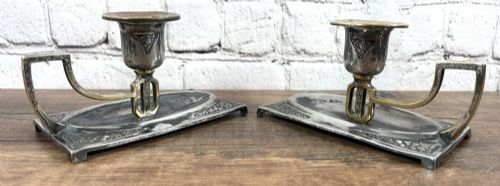
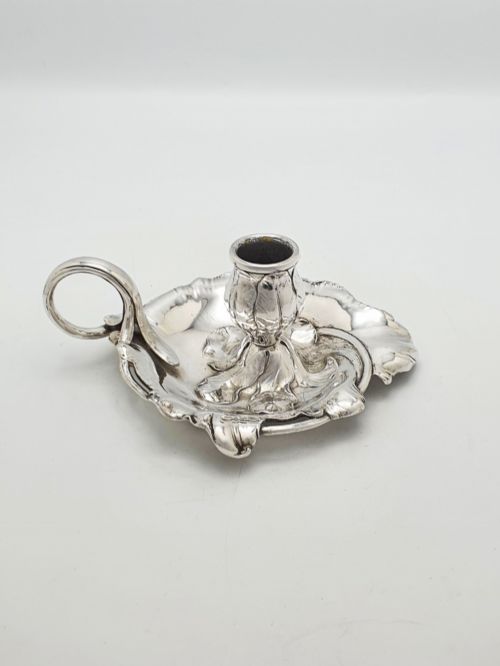
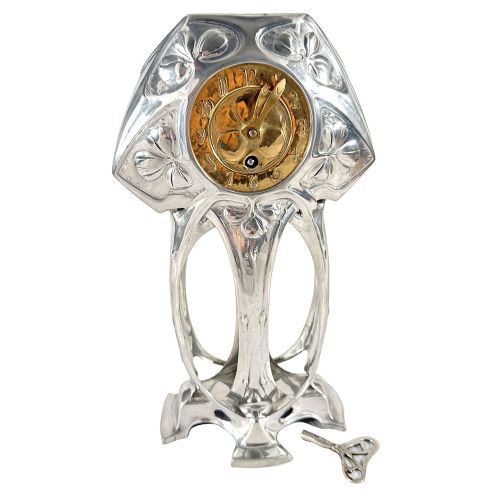
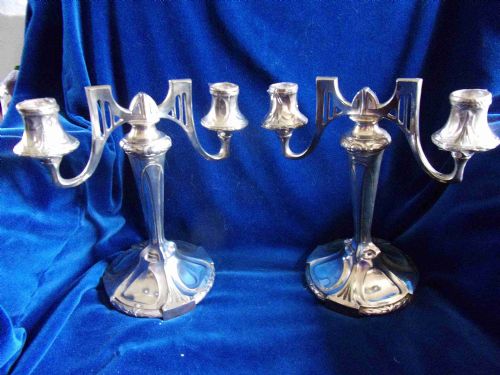
Jugendstil silver encompasses decorative household objects and personal adornments created primarily around nineteen hundred. A buyer seeking these pieces encounters domestic items such as vases, centrepieces, candlesticks and small desk accessories.
The selection on this page leans heavily towards German and Austrian production from the early twentieth century. Works originating from workshops and firms of this era dominate the forms available.
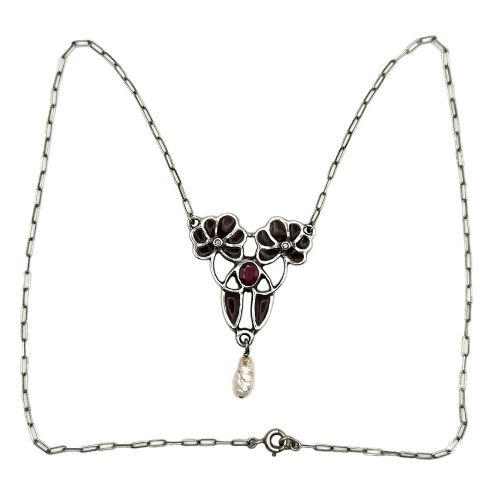
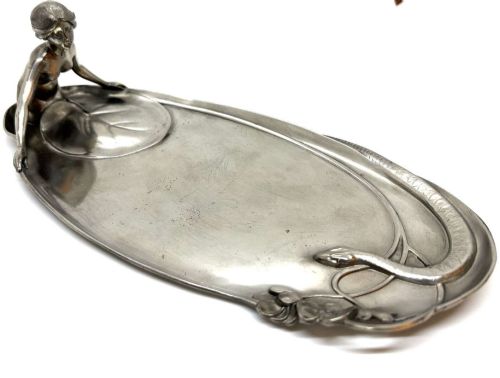
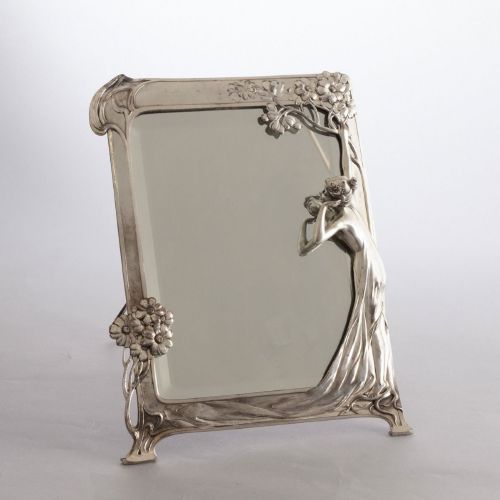
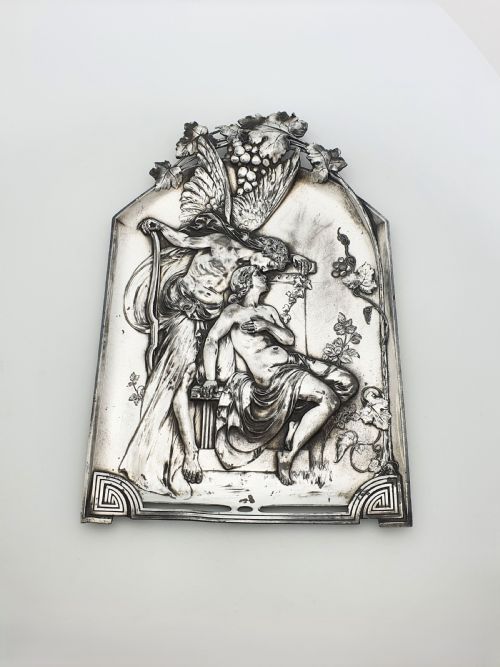
Vessels and ornaments utilise organic motifs, often incorporating stylised female figures, scrolling foliage and serpent designs. These domestic articles reflect the broader continental design movement known locally as Jugendstil or Secessionist style.
Materials and Construction
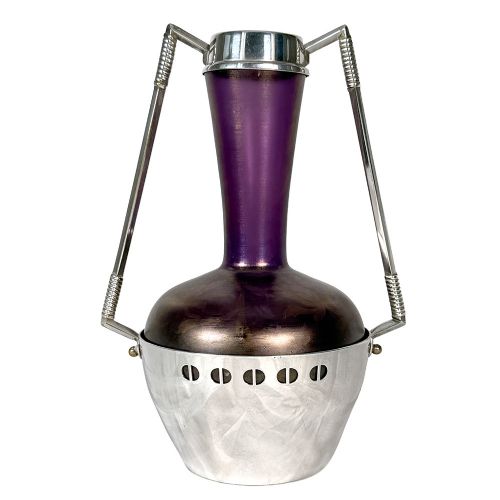
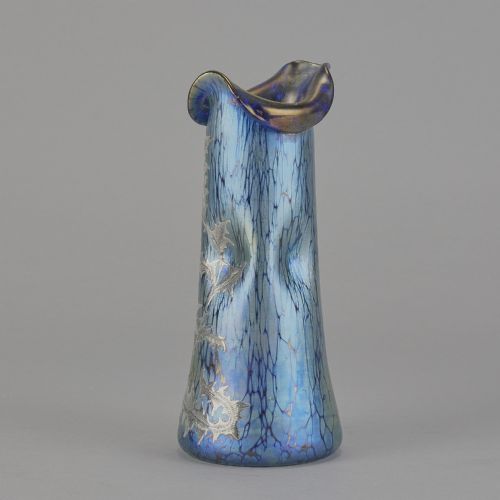
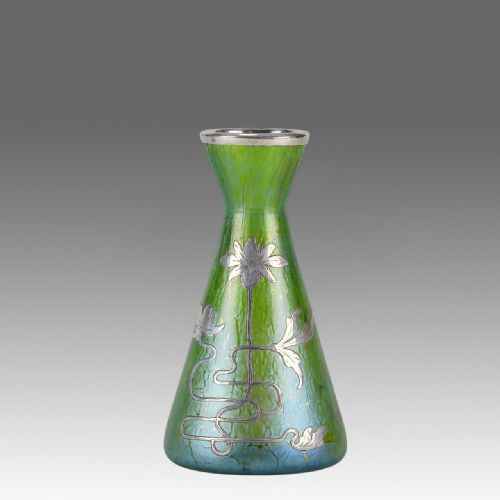
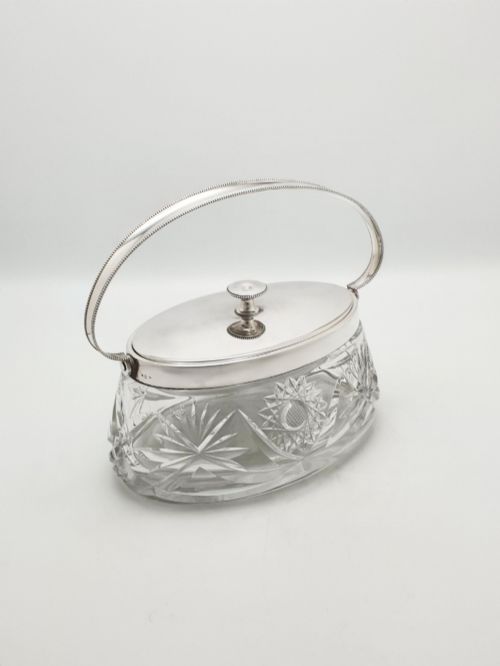
Articles are constructed from silver, silver plate, pewter and Britannia metal, frequently combined with contrasting materials. Makers integrated iridescent glass, ruby glass, green vaseline glass and ceramic bodies within metal mounts.
Surface decoration relies on enamelling techniques such as plique-à-jour alongside stone settings including pearls. Pewter components often receive a silvered finish to mimic solid metal while allowing for complex cast figural reliefs.
Jugendstil Silver Retail Price Guide 2026
Typical asking prices for jugendstil silver among the pieces listed under this phrase on Sellingantiques today, from the lower quarter to the upper quarter. They describe what is for sale here now, not the wider market.
Listings feature items spanning the Victorian era through to nineteen twenty, showcasing Austrian and German decorative arts.
Assessing Quality
Quality rests upon the crispness of the casting in metal pieces and the integration of secondary materials like glass or enamel. Superior examples display sharply defined figural details on pewter and silvered surfaces without smoothing from over-polishing.
The sophistication of the enamel work dictates the standing of jewellery and decorative plaques. Translucent plique-à-jour panels require immense skill and elevate the piece above standard stamped production.
Loetz·WMF·Argentor·Orivit·Levinger and Bissinger·Meyle and Mayer
The Jugendstil Silver Glossary
- Jugendstil
- The German counterpart to Art Nouveau, translating as youth style and defining decorative arts from the turn of the twentieth century. This movement drew inspiration from natural forms and linear rhythms.
- Plique-à-jour
- An enamelling technique where enamel is applied to cells without a backing, resembling miniature stained glass. Light passes directly through the transparent coloured material.
- Britannia metal
- A tin-based alloy used as a base for silver plating, known for its ductility and smooth surface finish. It allowed makers to cast intricate decorative domestic items affordably.
- Vienna Secession
- An Austrian movement of artists and designers who broke away from traditional academic institutions. Their work favoured geometric clarity alongside organic floral motifs.
- Silvered pewter
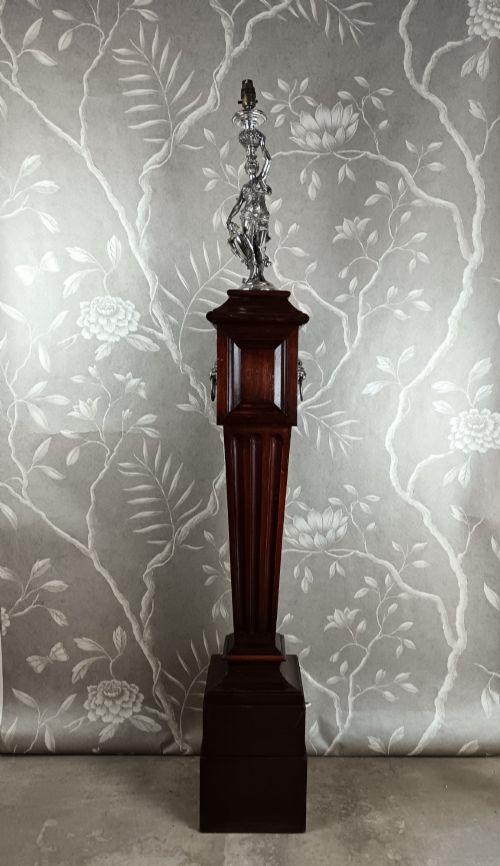
- Pewter treated with a thin layer of silver to enhance reflectivity and appearance. This finish appears frequently on German centrepieces and vases.
Jugendstil Silver: Frequently Asked Questions
What is Jugendstil silver?
Jugendstil silver encompasses tableware, decorative objects and jewellery created during the continental Art Nouveau period around nineteen hundred. The term covers solid silver items alongside high-quality silver-plated and silvered pewter pieces.
These items draw inspiration from organic plant structures, flowing lines and mythic figures. German and Austrian workshops led this aesthetic movement.
How were these pieces used?
Many objects served an ornamental and practical function in bourgeois households of the early twentieth century. Centrepieces held flowers for dining tables, while card trays and trinket dishes decorated reception rooms.
Personal items such as pendants, brooches and bracelets allowed wearers to display modern artistic tastes. Desk accessories like pen trays and inkstands brought decorative design into the study.
How do I clean silvered pewter?
Silvered pewter requires gentle care to preserve the thin metallic surface coating. Standard silver polishes can wear away the underlying finish and should be avoided.
Dusting with a soft dry cloth usually suffices for maintenance. Moisture must be kept away from glass and enamel mounts during cleaning.
How to spot WMF items?
Württembergische Metallwarenfabrik marked their production with distinct factory stamps featuring animal motifs and lettering. These marks help identify the manufacturer on the base or rim of metalware.
Their output ranges from silver-plated centrepieces to silvered pewter vases incorporating glass inserts. The distinctive botanical and figural motifs align closely with continental design standards.