






Jugendstil Metalwork
Jugendstil metalwork brings organic contours and refined craftsmanship into domestic spaces, capturing the essence of continental European design.
Jugendstil Metalwork
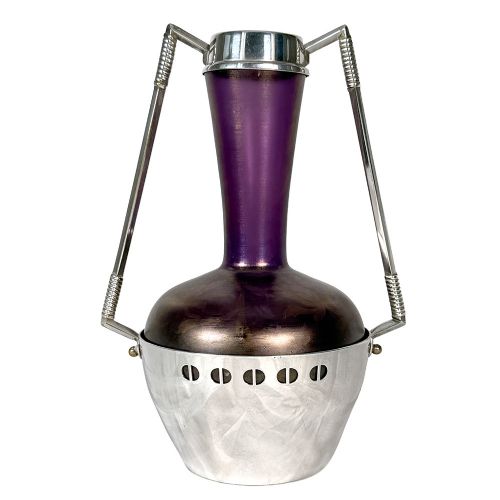
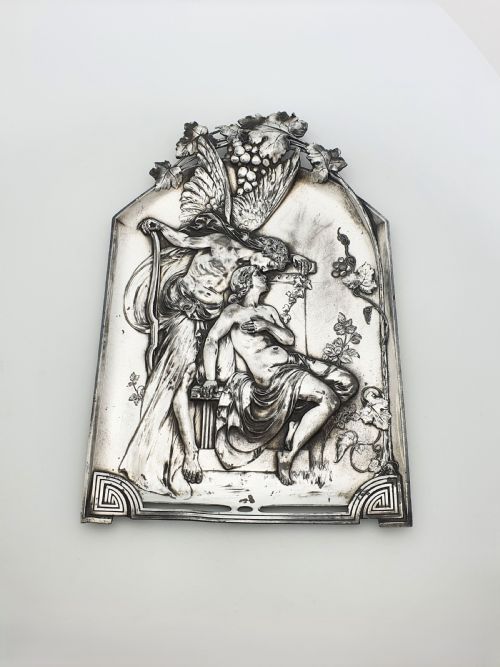
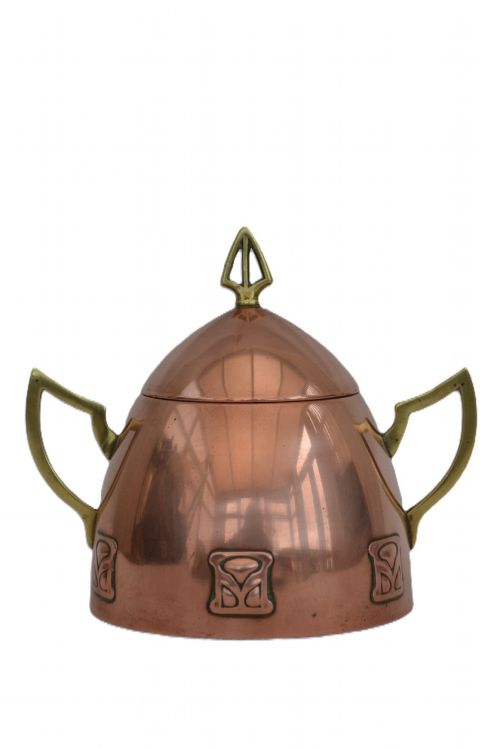
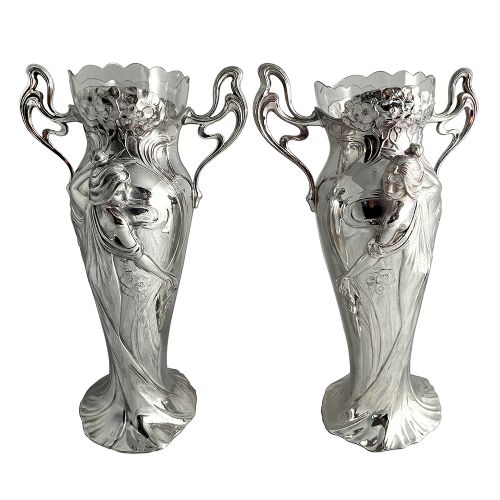
Jugendstil metalwork encompasses decorative domestic objects created during the late nineteenth and early twentieth centuries, aligning closely with the broader Art Nouveau and Secessionist movements. Buyers exploring this phrase encounter items shaped by flowing natural lines, botanical motifs, and stylised geometric forms.
Vases, centrepieces, wall plaques, and candlesticks dominate the available selection, frequently combining metal frames with coloured glass inserts. Silvered pewter, copper-plated brass, and silver plate serve as the primary foundational materials for these decorative table and wall pieces.
Originating largely from continental workshops around nineteen hundred, these works reflect both mass production by prominent industrial manufacturers and artistic studio output. The most common survivals on this page bridge utilitarian function with sculptural decorative expression.
Assessing quality
Quality in these pieces depends upon the crispness of the cast relief and the harmony between the metal mount and its glass insert. Superior examples maintain intact silvering or original patination without excessive wear revealing the base metal underneath.
Design sophistication separates standard commercial items from pieces created by notable makers or skilled designers. The retention of original glass inserts, particularly iridescent or cameo types matching the specific mount, elevates the integrity of the piece.
Jugendstil Metalwork Retail Price Guide 2026
Typical asking prices for jugendstil metalwork among the pieces listed under this phrase on Sellingantiques today, from the lower quarter to the upper quarter. They describe what is for sale here now, not the wider market.
Materials appearing across the inventory include vaseline glass, copper, brass, and silvered pewter.
WMF·Loetz·Argentor·Orivit·Hugo Berger (Goberg)
The Jugendstil Metalwork Glossary
- Secessionist
- A style associated with Central European artists who broke away from traditional academic art academies around nineteen hundred. This movement favoured geometric austerity combined with stylised organic motifs.
- Silvered pewter
- A tin-based alloy treated with a thin surface layer of silver to resemble solid silver objects. This material allowed manufacturers to produce complex sculptural forms at a lower cost.
- Britannia metal
- A specific tin-based alloy known for its silvery appearance and smooth surface texture, frequently utilised as a base for electroplated domestic items. It provided sufficient malleability for detailed industrial casting.
- Iridescent glass
- Glass treated with metallic salts during the cooling process to produce a shimmering, rainbow-like surface sheen. Makers paired this lustrous material with metal mounts to catch the light.
- Tazza
- A shallow ornamental cup or bowl raised on a stem and foot, used for display or serving. These decorative vessels often combined metal frames with coloured glass liners.
Jugendstil Metalwork: Frequently Asked Questions
What is Jugendstil metalwork?
Jugendstil metalwork refers to decorative household objects created in the Art Nouveau and Secessionist styles during the late nineteenth and early twentieth centuries. These pieces draw inspiration from natural forms, featuring flowing plant motifs and sinuous lines.
Items range from tableware and vases to wall plaques and desk sets, often combining cast metal with coloured glass inserts. Continental European workshops produced them using materials like silvered pewter, copper, and silver plate.
How do I clean silvered pewter?
Silvered pewter requires gentle maintenance to preserve the delicate chemical finish applied over the base metal. Harsh silver dips or abrasive polishes will strip away the silvered layer entirely.
Dusting with a soft cloth or washing gently in lukewarm water with mild soap is sufficient for routine care. Dry the surface thoroughly with a soft cloth to prevent water spots.
Were these pieces used daily?
Many Jugendstil items served practical functions in the home, such as holding flowers, serving sugar, or lighting rooms with candles. Centrepieces and baskets accommodated dining and parlour use during the period.
While functional, their artistic design meant they also functioned as purely decorative display pieces in domestic interiors. Today, collectors typically display them as decorative art rather than putting them to everyday use.
How do I identify a manufacturer?
Makers often stamped their pieces with specific trademarks, initials, or model numbers on the base or reverse side. Researching these historical factory marks helps determine the origin and production period.
Stylistic elements and signature combinations of metal and glass also point toward particular workshops. Comparing the casting quality and design characteristics aids in confirming attribution.