



Japanese Wood Sculptures
Japanese wood sculptures bring together detailed boxwood netsuke, hand-carved bears, and bronze-accented figures that collectors seek for their intricate craftsmanship.
Japanese Wood Sculptures
Japanese wood sculptures encompass a diverse range of objects, from miniature carved netsuke and okimono to larger figures of bears, deities, and animals. Buyers searching for japanese wood sculptures will encounter works spanning the Edo and Meiji periods, alongside Edwardian interpretations.
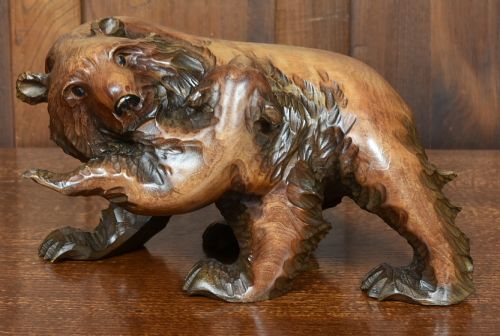
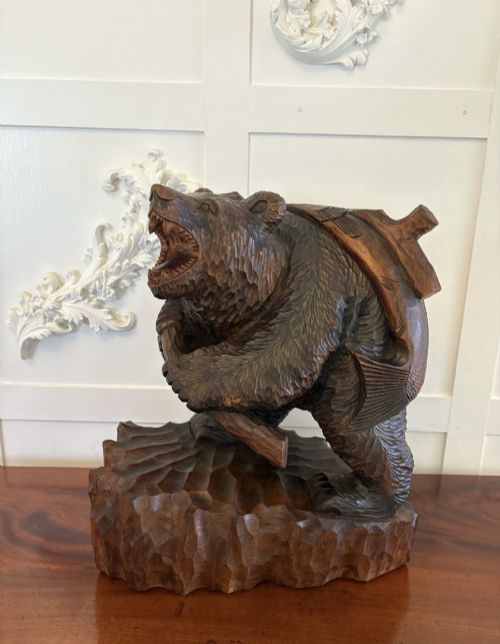
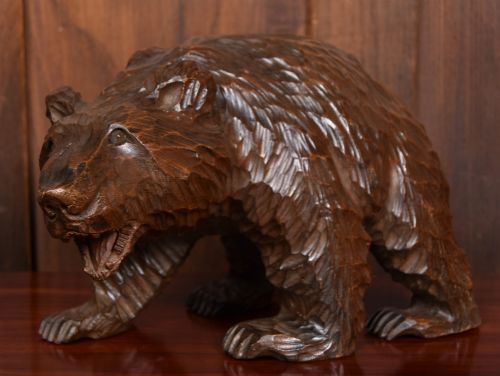
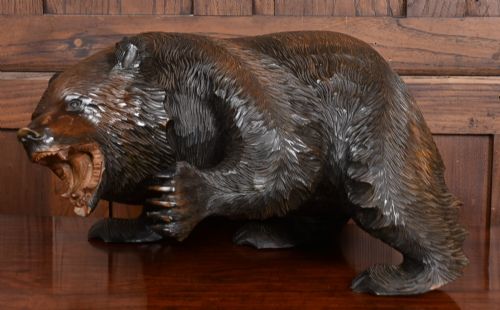
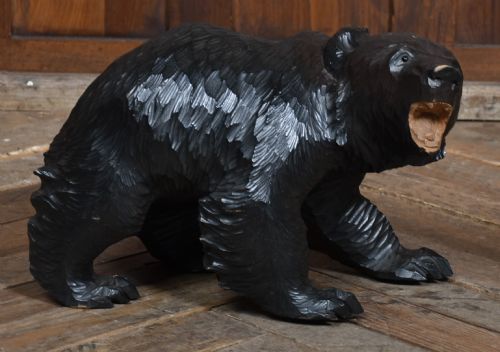
The most common forms on this page include boxwood and hardwood netsuke depicting animals and wise men, alongside larger hand-carved wooden bears known as kibori kuma. Figures of geishas, gods, and historical figures also appear frequently, reflecting various traditional Japanese folk art styles.
Originating predominantly from the 19th century and around 1900, these pieces serve both decorative and functional purposes. Many function as tactile paperweights, toggle fastenings, or standalone sculptural displays.
How they were made
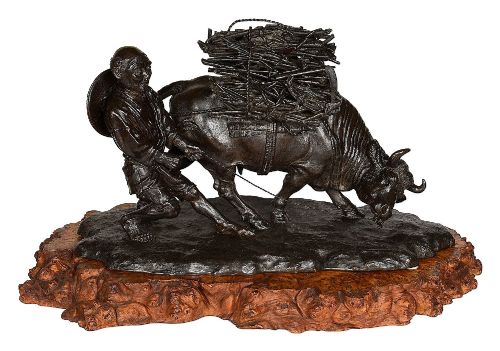
Certain figurative works incorporate mixed materials, combining carved root wood bases with cast bronze animals such as tigers, elephants, and hawks. Artisans often signed their work directly into the wood or bronze surface.
Japanese Wood Sculptures Retail Price Guide 2026
Typical asking prices for japanese wood sculptures among the pieces listed under this phrase on Sellingantiques today, from the lower quarter to the upper quarter. They describe what is for sale here now, not the wider market.
Listings feature 19th-century boxwood netsuke, Edwardian linden wood bears, and Meiji period bronze animals mounted on root wood bases.
What varies in quality
The refinement of the carving distinguishes superior examples from standard production pieces, particularly in the rendering of facial expressions, fur texture, and anatomical proportions. Finer netsuke and okimono display precise undercutting and smooth, tactile surfaces shaped by extensive handling.
Signatures by recognised carvers elevate certain works, demonstrating superior mastery over the material. The choice of dense, fine-grained boxwood or exotic wood also dictates the longevity and crispness of the preserved detail.
Tomochika·Masayuki·Gyoko
The Japanese Wood Sculptures Glossary
- Netsuke
- A small carved toggle fastened to the end of a cord attached to a small container worn on the kimono sash. They were traditionally used to prevent the container from slipping.
- Okimono
- A standalone Japanese display piece designed for placement on a shelf or in a tokonoma alcove. These sculptures portray animals, deities, and everyday figures.
- Kibori kuma
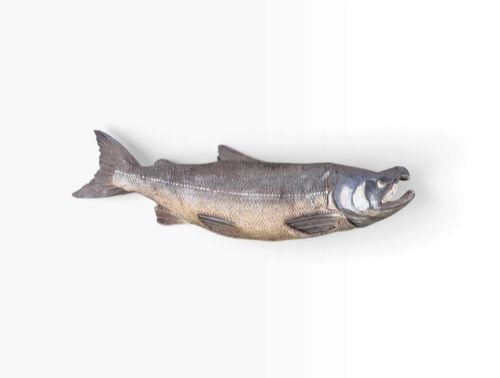
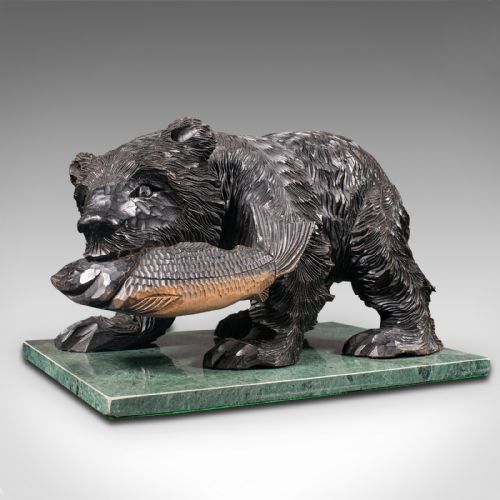
- A traditional style of Japanese wood-carved bear, often depicted carrying a fish in its mouth. These pieces originated primarily as folk art carvings.
- Meiji Period
- The era in Japanese history spanning from 1868 to 1912, characterised by opening trade and exceptional decorative arts production. Many fine wood and bronze carvings date to this time.
- Edo Period
- The period lasting from 1603 to 1867, noted for the flourishing of urban culture and intricate miniature arts. Boxwood carvings from this span show distinct early characteristics.
Japanese Wood Sculptures: Frequently Asked Questions
What is a netsuke used for?
A netsuke served as a practical toggle for traditional Japanese garments that lacked pockets. Users threaded a cord through the carved object to secure suspended pouches and medicine boxes.
Over time, these functional toggles evolved into highly collectible miniature sculptures prized for their intricate carving and tactile qualities.
How do I identify a Meiji period carving?
Meiji period carvings typically exhibit a high level of naturalistic detail and dynamic poses, reflecting the era's artistic openness. Materials often include finely grained boxwood or dark-stained hardwoods.
Signatures incised directly into the wood or associated bronze components frequently point to this active era of craftsmanship.
What are kibori kuma bears?
Kibori kuma are traditional Japanese wooden bear sculptures originating from the northern regions. They are typically shown carved from linden wood or local timber, often gripping a salmon.
These pieces represent a distinct branch of Japanese folk art that gained popularity through regional artisan production.
How should I display wooden sculptures at home?
Wooden sculptures and okimono benefit from stable indoor environments away from direct sunlight and dramatic humidity changes. Placing them on flat surfaces allows safe interaction with their tactile forms.
Smaller pieces like netsuke require minimal space, while larger bronzes with root wood bases command a central focal point on furniture.