



Japanese Wood Cabinet
These Japanese wood cabinet pieces bring intricate craftsmanship and rich texture into a room, offering both practical storage and striking display.
Japanese Wood Cabinet
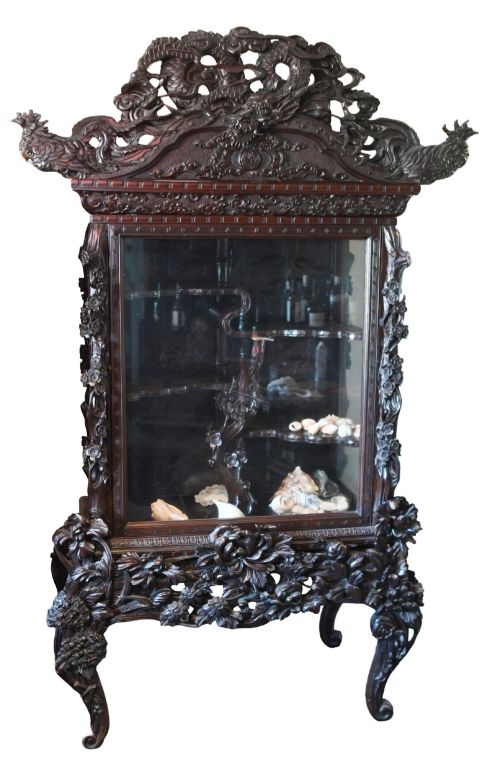
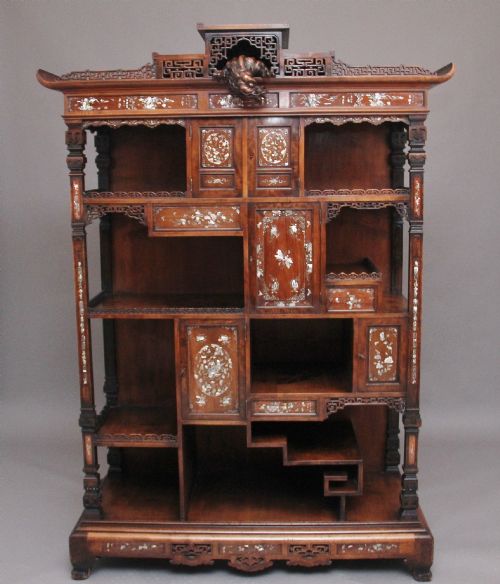
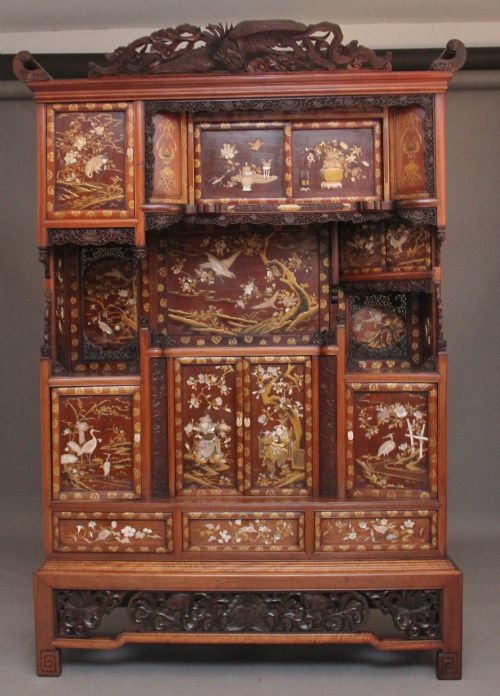
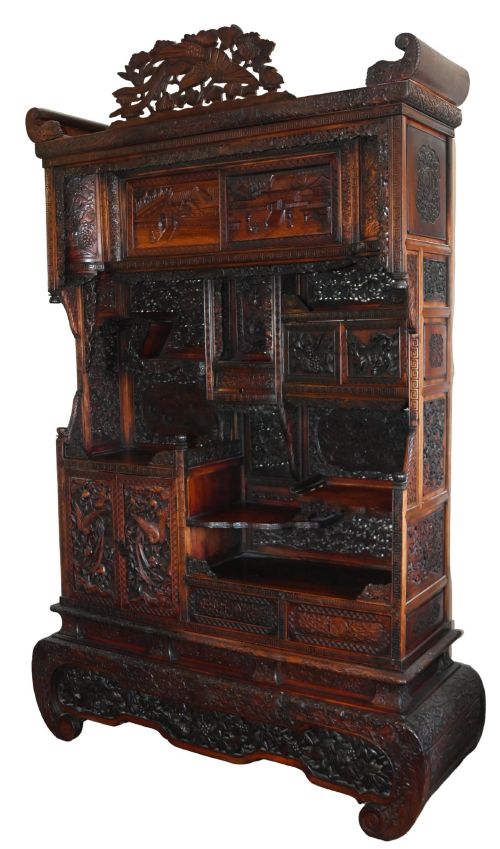
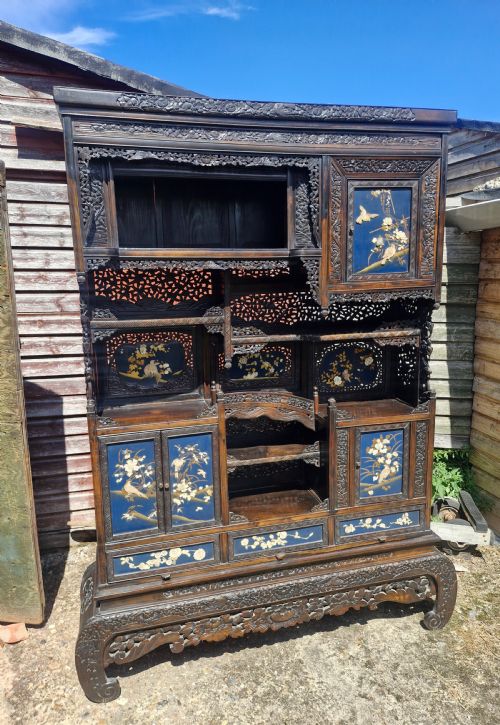
A Japanese wood cabinet encompasses various functional forms originating from distinct historical periods, most notably the Meiji period and the nineteenth century. Buyers encounter diverse regional and domestic types, ranging from multi-tiered display cabinets to utilitarian storage chests.
Materials and Construction
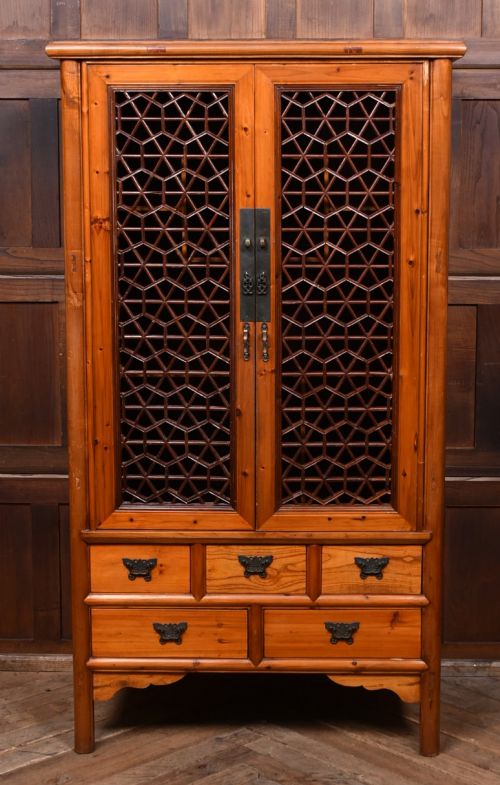
Craftsmen utilised various natural woods including cedar, keyaki, kiri, and dense hardwoods to build these sturdy storage units. Metal elements such as iron and brass hardware provide functional reinforcement for corners, handles, and locking mechanisms.
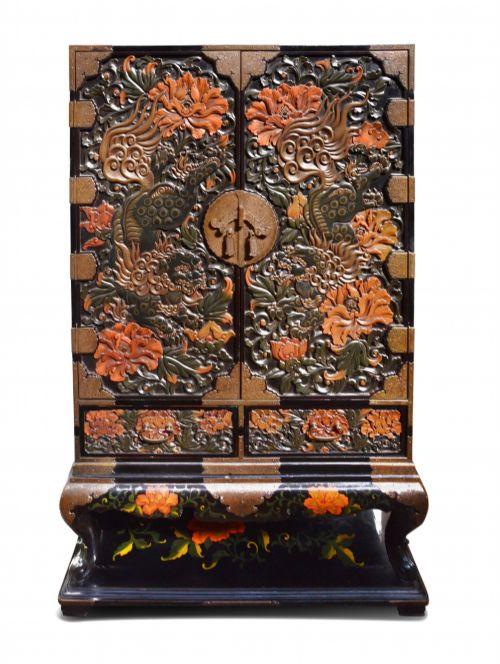
Surface decoration often incorporates detailed wood carving, lacquer work, mother of pearl inlay, and bone ornamentation. Certain pieces display delicate gilt highlights or bronze animal decorations integrated directly into the wooden structure.
Japanese Wood Cabinet Retail Price Guide 2026
Typical asking prices for japanese wood cabinet among the pieces listed under this phrase on Sellingantiques today, from the lower quarter to the upper quarter. They describe what is for sale here now, not the wider market.
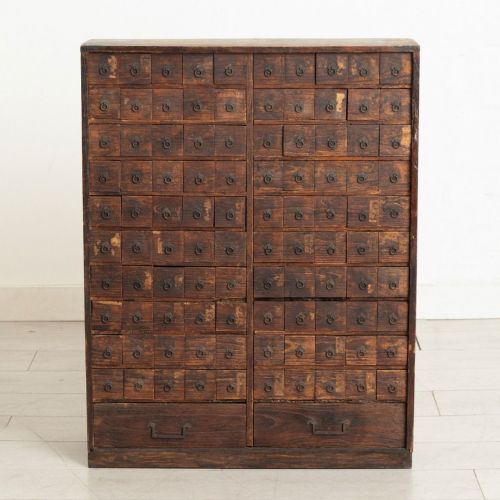
Certain apothecary chests contain dozens of tiny drawers once destined for dried herbs and roots, still whispering of nineteenth century remedies.
Quality and Execution
Distinction across the range lies in the depth and precision of the hand carving and the integrity of the joinery. Finer examples display meticulous attention to detail in their decorative inlays and hardware placement.
The preservation of original lacquer finishes and natural wood patinas separates standard utility pieces from masterworks of the period. Superior craftsmanship shows in the balanced proportions of display stands and the smooth operation of internal drawers.
Gabriel Frederic Viardot·Gabriel Viardot·E W Godwin
The Japanese Wood Cabinet Glossary
- Shodona
- A traditional Japanese decorative cabinet or display shelf unit designed to hold art objects. These pieces often feature asymmetrical compartments and intricate woodwork.
- Tansu
- A traditional mobile Japanese storage chest constructed primarily of wood with iron hardware. They served various domestic purposes including clothing storage and merchant accounting.
- Mizuya
- A Japanese kitchen tansu utilised for food preparation and storage of utensils. These functional cupboards reflect domestic life in nineteenth century Japan.
- Japonisme
- A Western artistic movement during the late nineteenth century influenced by Japanese art and design. European makers adopted these aesthetic principles in furniture and decorative objects.
- Kaidan tansu
- A distinctive step chest designed as a staircase while incorporating built-in storage drawers beneath the treads. These space-saving units originated in traditional Japanese homes.
Japanese Wood Cabinet: Frequently Asked Questions
What is a tansu chest?
A tansu is a traditional Japanese mobile storage chest built with durable wood and reinforced with iron or brass hardware. These pieces served various household and mercantile functions.
They range from simple merchant chests to specialised apothecary cabinets and step chests designed for domestic interiors.
How do I use a shodona cabinet?
A shodona functions primarily as a display unit for ceramics, small sculptures, and decorative objects. Its asymmetrical shelving creates visual interest in a modern living space.
These cabinets work well as focal points in a room, protecting delicate items behind glass or open framing.
What wood types were used?
Craftsmen utilised native Japanese timbers such as cedar, keyaki, and kiri, alongside denser imported hardwoods. These materials provided the structural stability needed for heavy storage furniture.
Surface finishes often included natural wood grain, ebonised treatments, or traditional lacquer applications.
How do I date these cabinets?
Dating relies on stylistic markers, construction techniques, and historical periods such as the Meiji era or the late nineteenth century. European interpretations often show distinct regional cabinetmaking signatures.
Examining the hardware, joinery, and decorative motifs helps determine the approximate age and origin of each piece.