


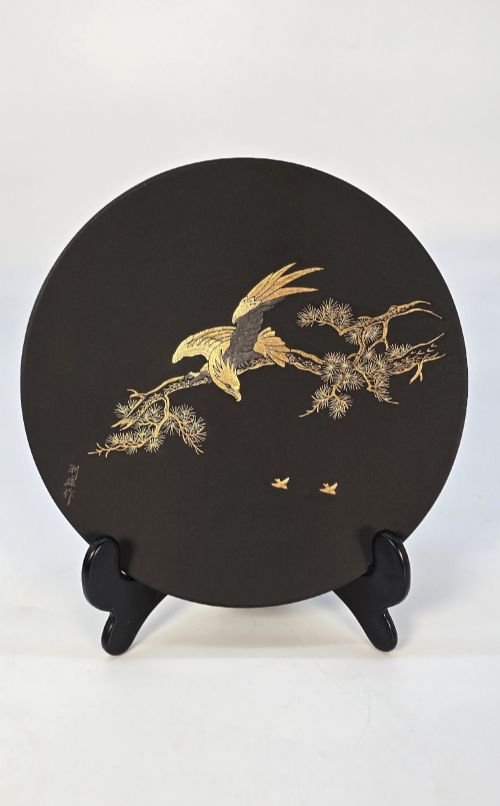
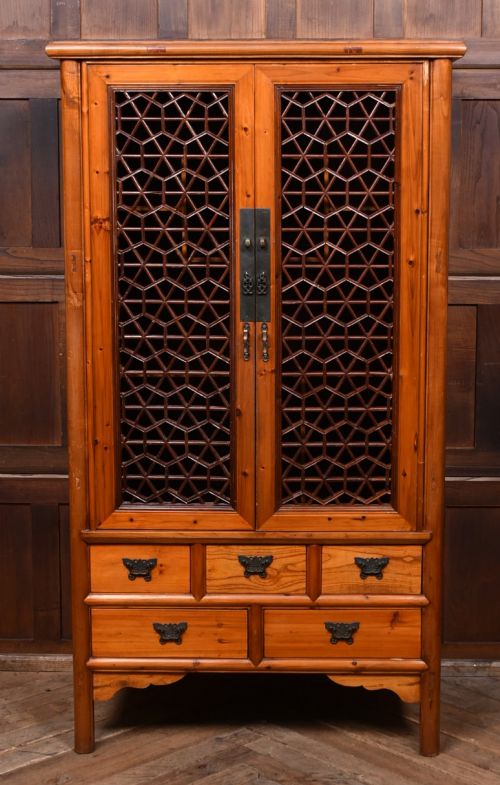
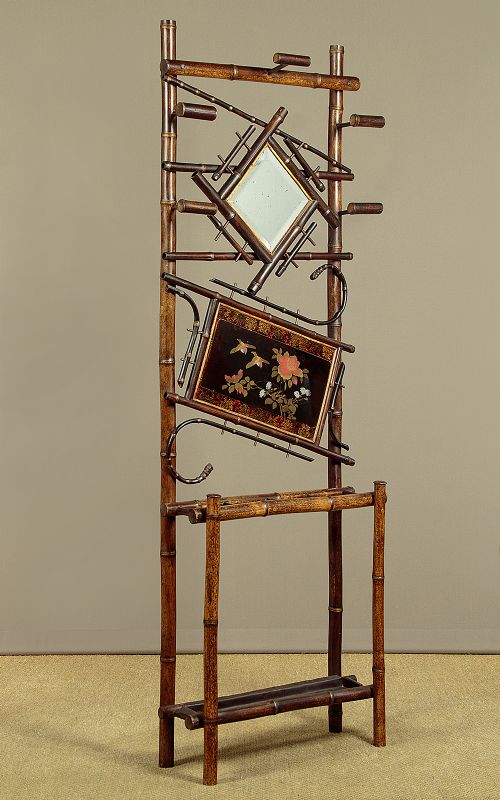


Japanese Style Furniture
Japanese style furniture brings together bamboo, lacquer and dark hardwoods, uniting Eastern motifs with Western forms.
Japanese Style Furniture
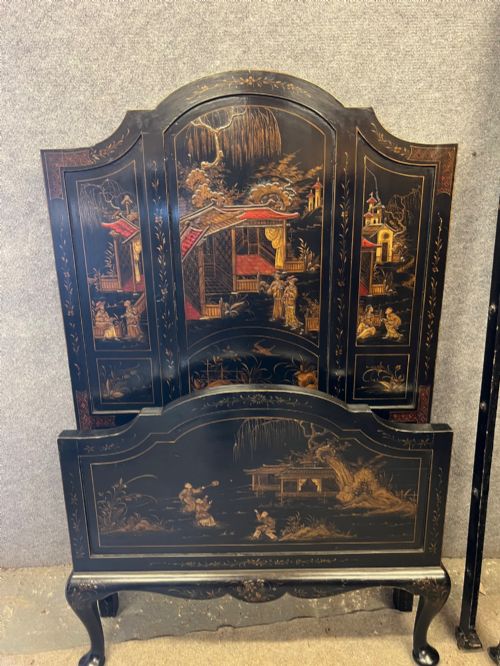
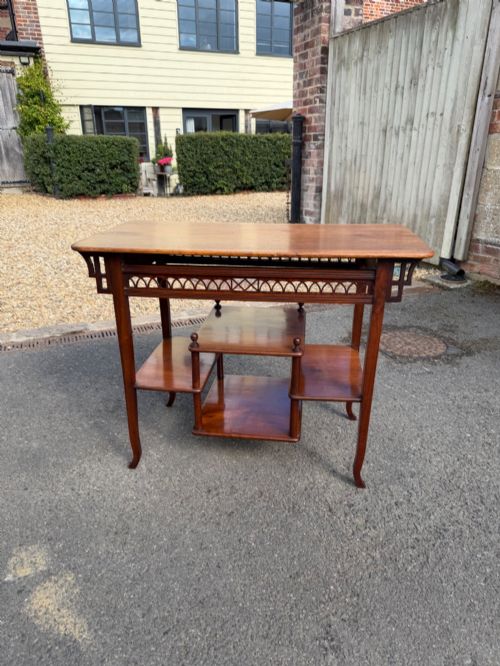
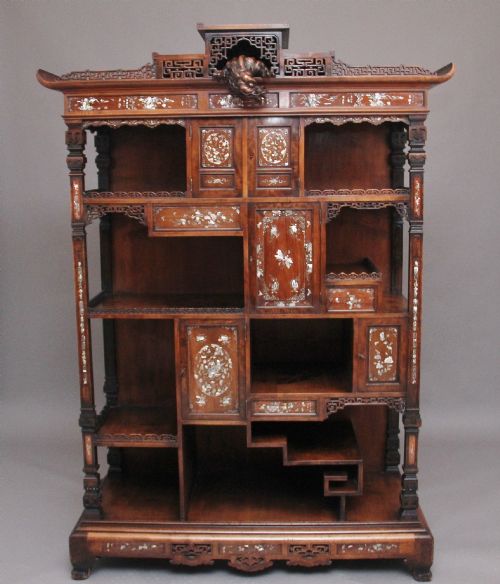
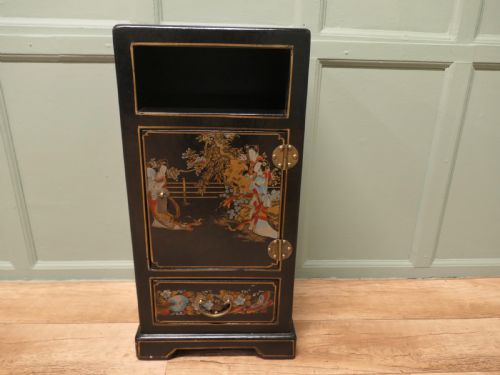
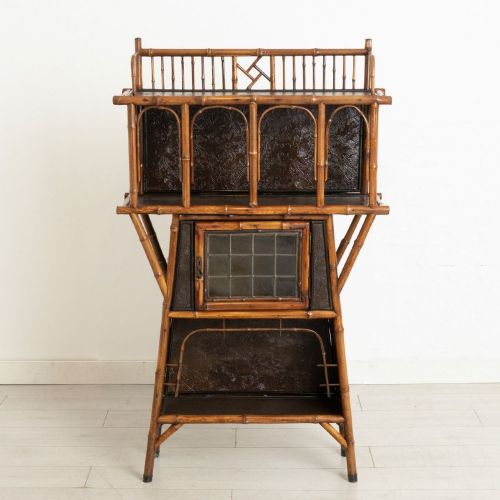
Japanese style furniture encompasses practical household items created through distinct historical design movements, notably the Aesthetic Movement and Japonisme. When exploring these pieces, you will encounter side tables, display cabinets, etageres and magazine racks alongside occasional beds and hall stands.
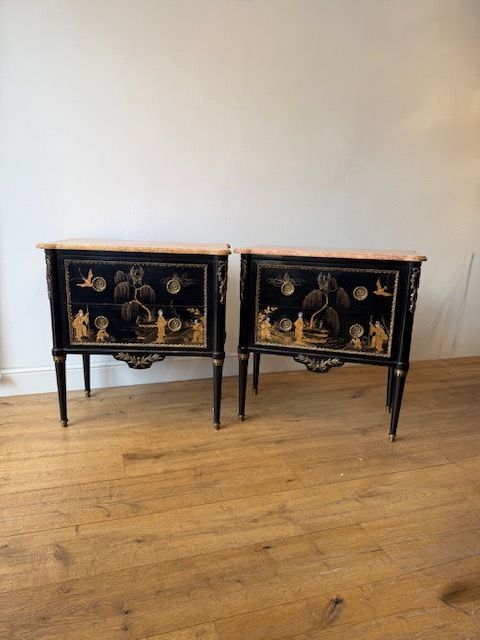
The material vocabulary relies heavily on bamboo, rosewood, walnut and lacquered wood, frequently decorated with Chinoiserie motifs or patinated metal inlay. These forms reflect both direct imports from the Meiji period and European interpretations produced during the late nineteenth and early twentieth centuries.
The items listed here span the nineteenth century, the Edwardian era and the Taisho period, representing a broad sweep of cross-cultural design. Side tables and bamboo etageres appear most frequently on this page, offering accessible ways to introduce these materials into an interior.
Materials and construction methods
Makers utilised tiger bamboo and painted or ebonised hardwoods like walnut and rosewood to build the structural frames of these cabinets and tables. These woods were chosen for their lightness and grain, allowing for slender supports and intricate shelving arrangements.
Surfaces frequently feature black, red or cinnabar lacquer panels combined with glazed doors, brass hardware and occasional gold and silver metal inlay. This technique built up smooth, protective coatings that highlighted oriental pictorial scenes and geometric borders.
Japanese Style Furniture Retail Price Guide 2026
Typical asking prices for japanese style furniture among the pieces listed under this phrase on Sellingantiques today, from the lower quarter to the upper quarter. They describe what is for sale here now, not the wider market.
Listings feature woods including bamboo, rosewood, walnut and lacquered wood across periods spanning the nineteenth century to the 1930s.
Distinctions in construction and design
Construction quality depends on the rigidity of the bamboo joints and the stability of the hardwood frames, where proper joinery prevents the warping common in lighter imported pieces. The precision of the lacquer work and the integration of inlays also separate standard production from more ambitious workshop pieces.
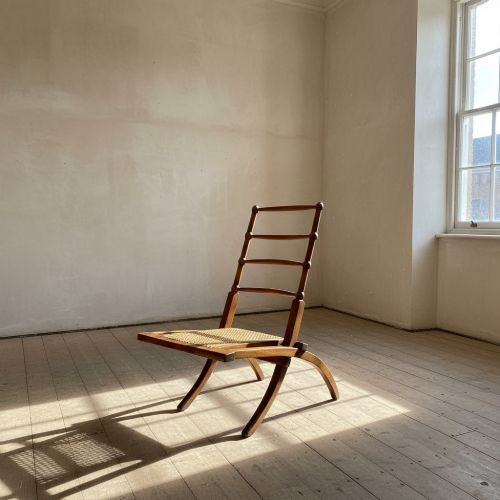
Attribution to known designers or prominent retailers elevates certain cabinets and tables above anonymous commercial output. The crispness of carved details on stands and the condition of original cane seating surfaces determine the standing of individual pieces within the market.
E.W Godwin·Liberty and Co·Gabriel Viardot
The Japanese Style Furniture Glossary
- Aesthetic Movement
- A nineteenth-century design philosophy prioritising visual beauty over narrative or moral function. It drew heavily on Japanese art and craftsmanship.
- Japonisme
- The influence of Japanese art, fashion and aesthetics on Western creators during the late nineteenth century. This approach shaped European furniture and decorative objects.
- Etagere
- A piece of furniture consisting of open shelves for displaying small ornaments. These tiered stands were popular in bamboo and dark wood during the Victorian era.
- Canterbury
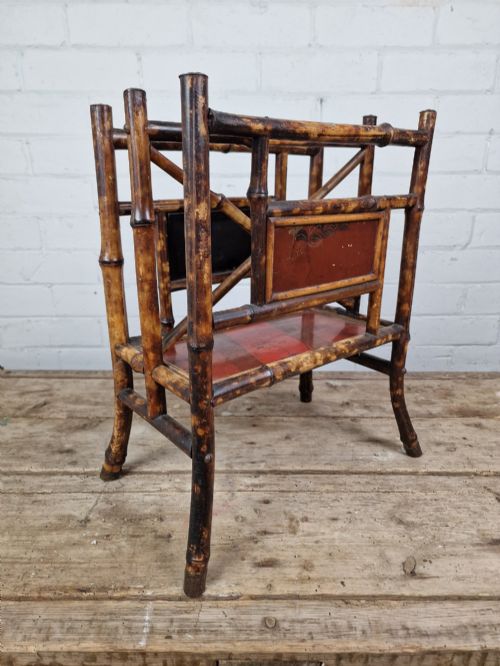
- A low wooden stand fitted with partitions for holding sheet music, magazines or newspapers. Many examples from this period utilise bamboo frames.
- Cinnabar lacquer
- A decorative technique involving multiple layers of red lacquer carved with intricate designs. It appears on small cabinets and boxes from the period.
Japanese Style Furniture: Frequently Asked Questions
What is Japanese style furniture?
These pieces are decorative and functional household items made in Europe and Asia during the nineteenth and early twentieth centuries. They combine traditional Eastern motifs, such as lacquer panels and bamboo frames, with Western furniture types like side tables and display cabinets.
You will find items ranging from bamboo hall stands to walnut cabinets influenced by the Aesthetic Movement and Japonisme. They reflect a historical fascination with Japanese art and craftsmanship that transformed Western interior design.
How do I live with bamboo furniture?
Bamboo furniture requires stable indoor environments away from direct heat sources and excessive moisture to prevent the natural material from splitting. Placing these tables and etageres in rooms with moderate humidity keeps the joints secure.
Keep the slender frames clear of heavy loads to protect the structural integrity of the bamboo poles. Regular dusting with a soft cloth preserves the surface finish without the need for harsh polishes.
How do I distinguish between periods?
Nineteenth-century examples often display the characteristic asymmetry and ebonised finishes of the Aesthetic Movement and early Japonisme designs. Later pieces from the Edwardian period and the Taisho era frequently feature lacquer cabinets on stands and standardised bamboo construction.
Examining the hardware, the type of lacquer and the joining techniques helps clarify the decade of production. Pieces marked with retail names or distinct workshop attributions provide further chronological markers.
Where were these pieces used?
These items were designed for reception rooms, hallways and drawing rooms in Victorian and Edwardian homes, where exotic furnishings demonstrated worldly taste. Display cabinets and etageres held ceramics and curiosities, while side tables and magazine racks served everyday functions.
Their lightweight construction allowed them to be easily moved around domestic spaces. Today, they function well as accent pieces in modern living areas.