



Japanese Paper Prints
These japanese paper prints bring centuries of delicate artistry into your home, offering vibrant scenes rendered through traditional woodblock techniques.
Japanese Paper Prints
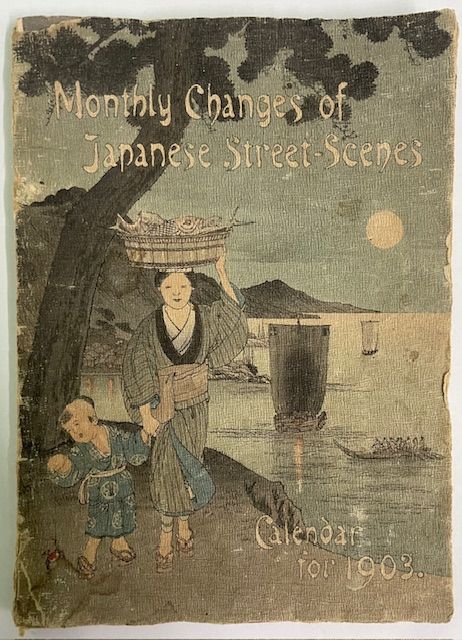
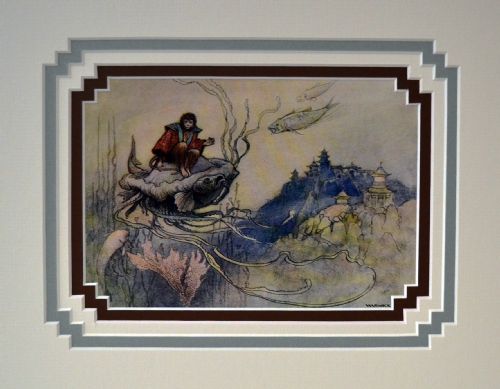
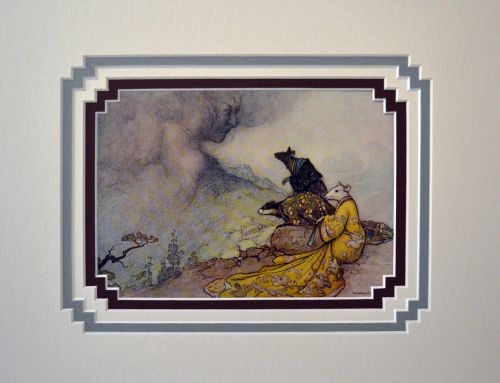
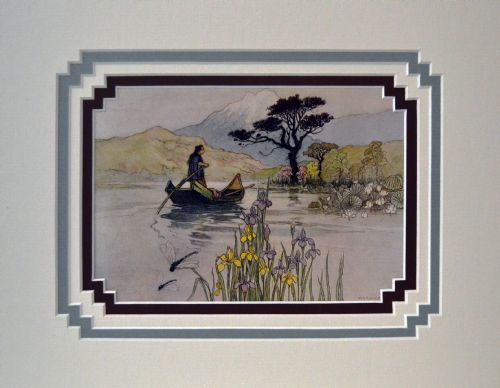
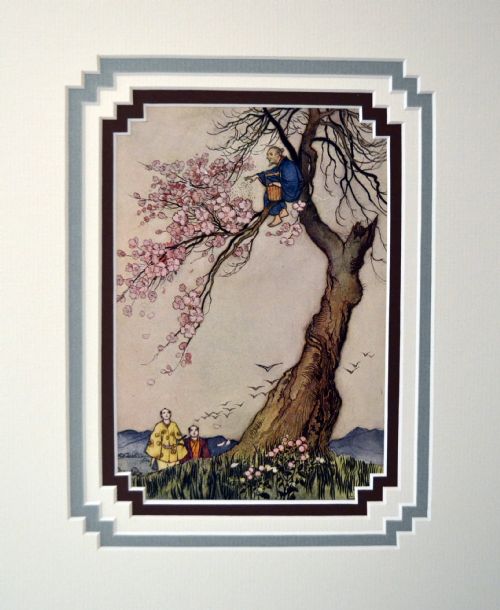
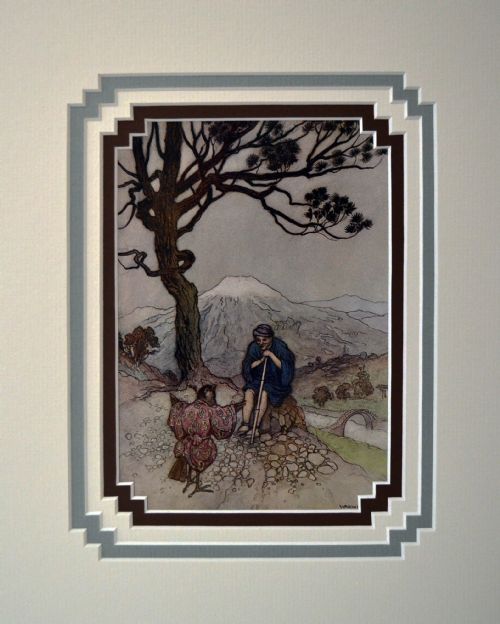
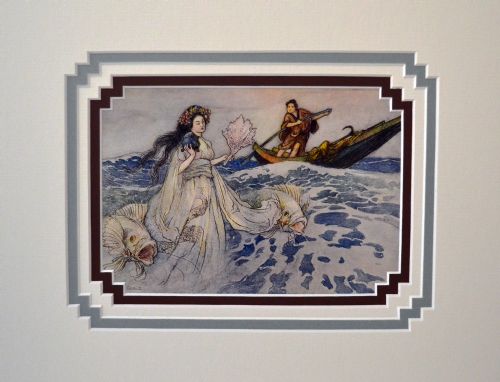
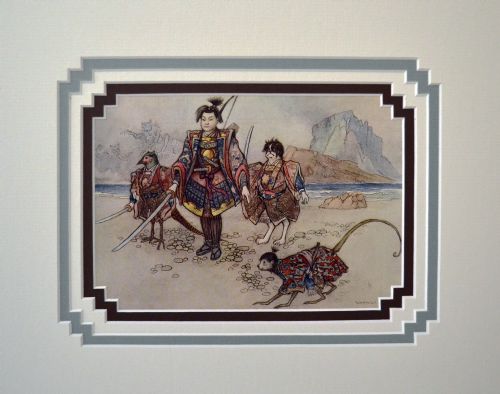
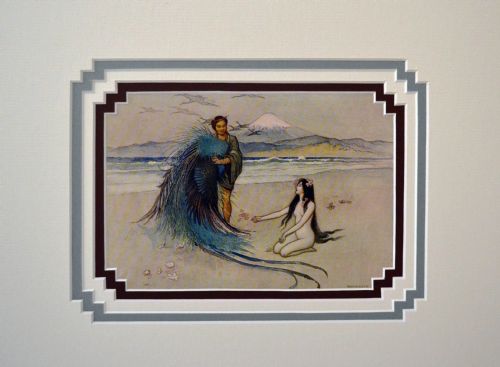
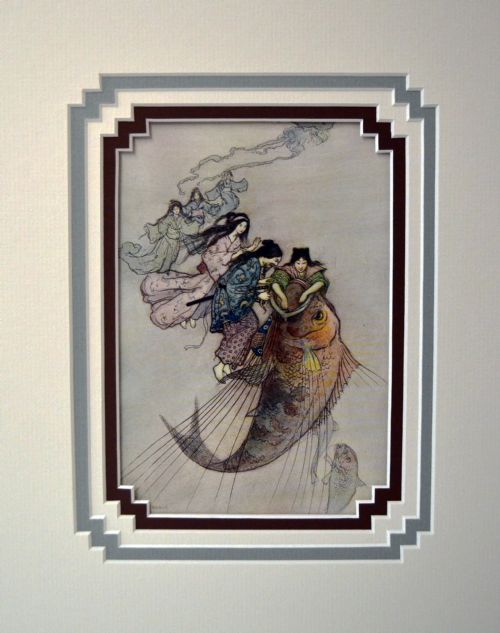
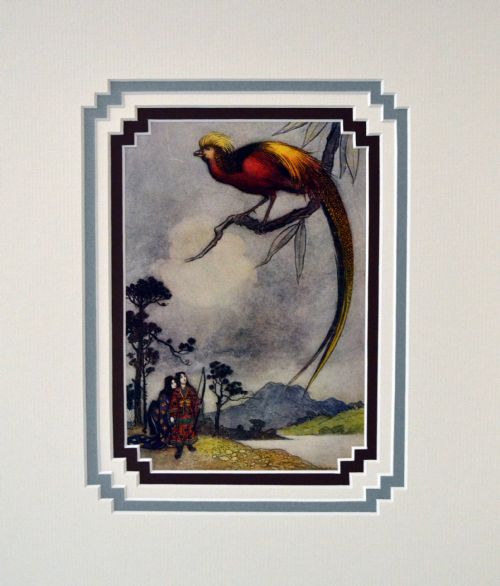
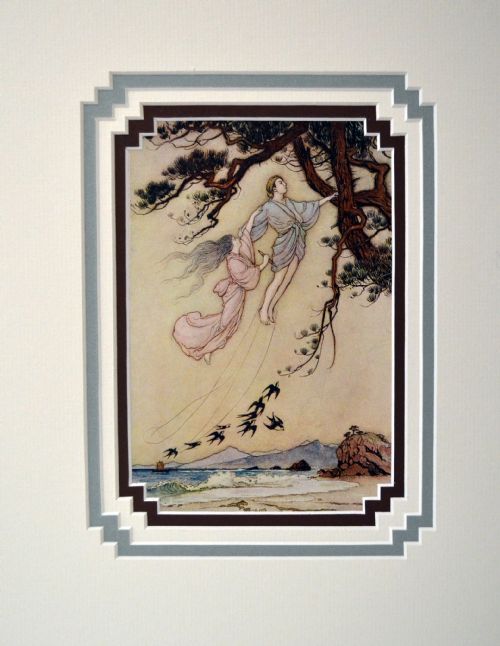
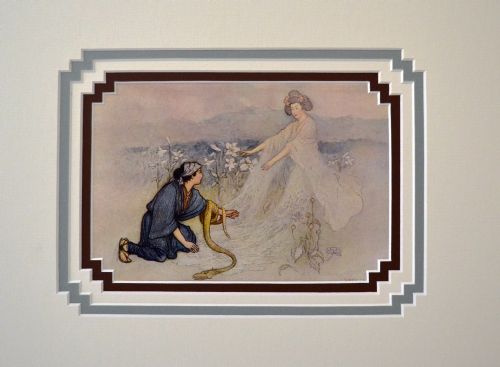
When you search for japanese paper prints, you encounter works spanning from the eighteenth century to the mid-twentieth century. The selection includes traditional woodblock prints, illustrated fairy tales, and calendars produced on paper using ink and card mounts.
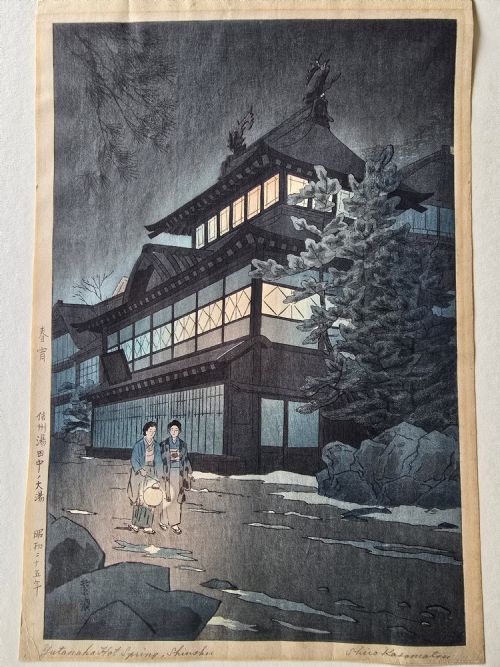
You are most likely to meet nineteenth-century woodblock prints and Edwardian illustrations on paper. These pieces capture distinct historical periods through Edo period ukiyo-e, Meiji period art, and shin-hanga styles, often presented in glass frames and mountboards.
How they were made
These works rely fundamentally on paper sheets printed with ink using carved woodblocks. Artisans applied pigments directly to plant-based fibres, creating layered compositions that required precise manual registration for each colour used.
Many items incorporate supplementary card, cardboard, and mountboard for rigidity. Framing often utilises glass to protect the delicate paper surfaces from atmospheric moisture and handling.
Japanese Paper Prints Retail Price Guide 2026
Typical asking prices for japanese paper prints among the pieces listed under this phrase on Sellingantiques today, from the lower quarter to the upper quarter. They describe what is for sale here now, not the wider market.
The inventory spans the eighteenth, nineteenth, and twentieth centuries, incorporating materials such as paper, card, ink, and glass.
What varies in quality
The precision of the woodblock carving and the register of the ink dictate the visual clarity of each impression. Earlier Edo and Meiji period examples display sharper lines and more deliberate pigment saturation compared to later reproductions.
The integrity of the paper support and the vibrancy of the ink determine the overall preservation of the piece. Works that retain their original mountboards and untruncated margins demonstrate superior historical survival.
T. Hasegawa Tokyo·Katsukawa Shunshō·Shiro Katamatsu·Warwick Goble·Kitagawa Utamaro·Kunisada
The Japanese Paper Prints Glossary
- Ukiyo-e
- Pictures of the floating world. This genre depicts scenes of urban life, kabuki actors, and landscapes produced during the Edo period.
- Shin-hanga
- New prints. This twentieth-century movement revitalised traditional ukiyo-e themes with Western influences in perspective and shading.
- Woodblock
- A relief printing technique. Artisans carve images into blocks of wood, apply ink, and press the design onto paper.
- Crepe paper
- A crumpled paper variety. Used in specialised calendars and books, this material offers a distinct textured surface.
Japanese Paper Prints: Frequently Asked Questions
How do I date these prints?
Dating relies upon stylistic markers, historical periods, and documented artist signatures within the image. Edo period works differ substantially in paper weight and subject matter from twentieth-century shin-hanga pieces.
Examining the publisher marks, particularly on nineteenth and early twentieth-century examples, provides further chronological context for when the paper and ink were brought together.
Were these works framed originally?
Many historical japanese paper prints were produced as loose sheets, bound books, or ephemeral calendars rather than wall art. Framing with glass and mountboard typically occurred later to protect the delicate paper.
Original mountboards and Victorian framing styles indicate how previous owners chose to display and preserve the woodblock works in domestic settings.
What subjects appear on them?
Common subjects include legendary figures, theatrical actors, traditional fairy tales, and mythological scenes such as the Seven Lucky Gods. Artists drew inspiration from daily life and folklore.
These themes reflect the aesthetic concerns of the Edo, Meiji, and Edwardian periods, capturing both historical narratives and natural scenery.
How should I display them?
Displaying these paper pieces requires careful placement away from direct sunlight to prevent the ink colours from fading over time. Using UV-filtering glass provides essential protection for the organic fibres.
Maintaining stable indoor humidity levels ensures that the paper and any associated card mounts do not warp or degrade in residential environments.