





Japanese Low Table
These japanese low table pieces offer floor-level utility and distinct craftsmanship, making them sought-after centrepieces for contemporary living spaces.
Japanese Low Table
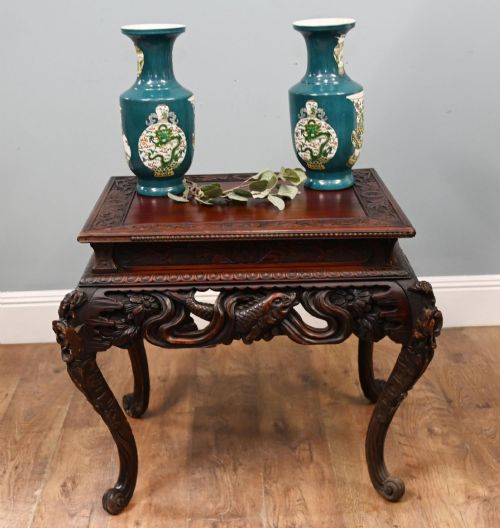
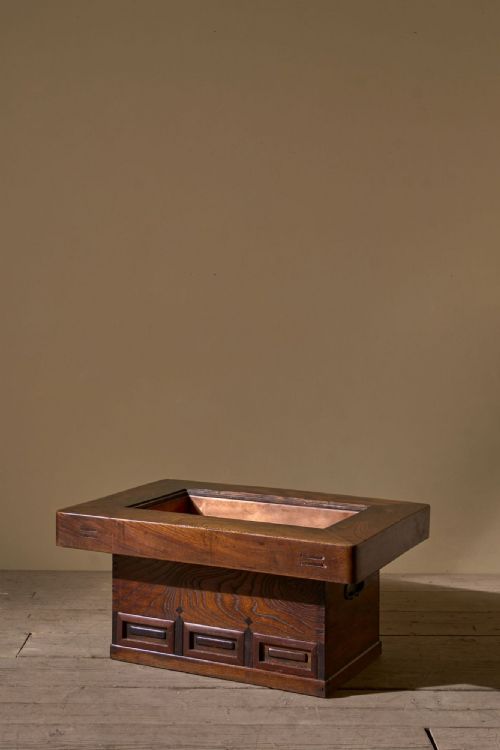
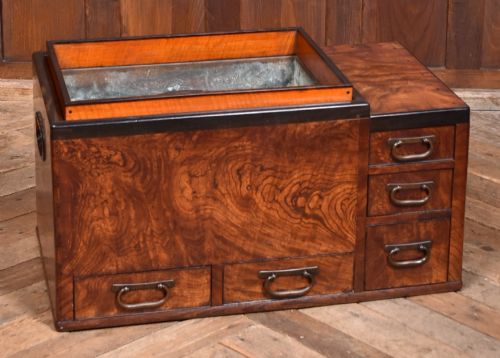
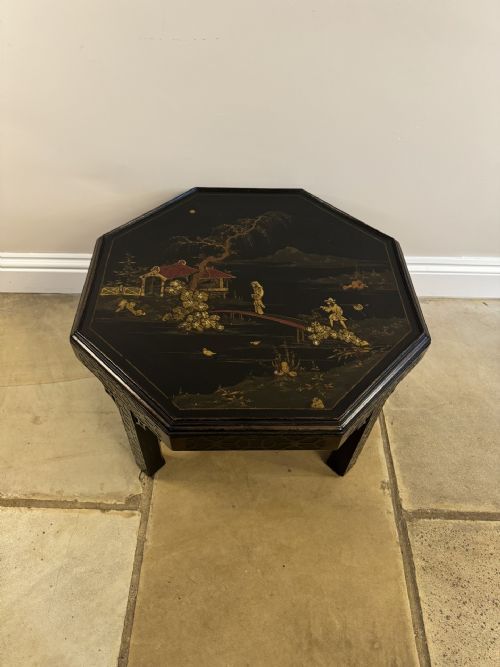
A japanese low table encompasses diverse forms designed for kneeling or seated floor living, including chabudai tea tables and converted hibachi braziers. These pieces originate from periods spanning the nineteenth century through the early twentieth century, alongside British interpretations in aesthetic and chinoiserie styles.
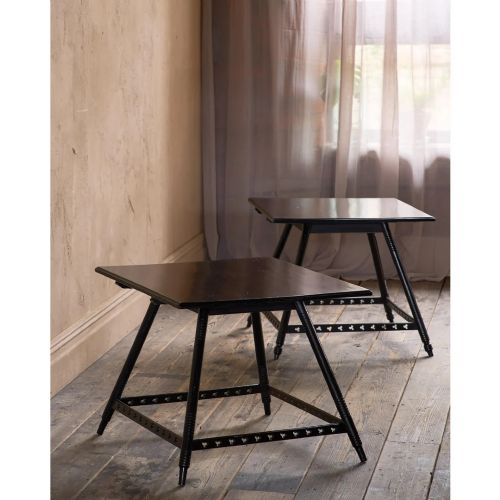
The materials utilised range from native keyaki and elm hardwoods to ebonised wood and lacquer finishes. Forms on this page extend beyond standard tables to incorporate plant stands, calligraphy desks, and side tables.
Buyers encountering these items will find both traditional Japanese constructions and Western adaptations produced during the Victorian and Edwardian eras. Each example reflects the intersection of Eastern utility and period design sensibilities.
How they were made
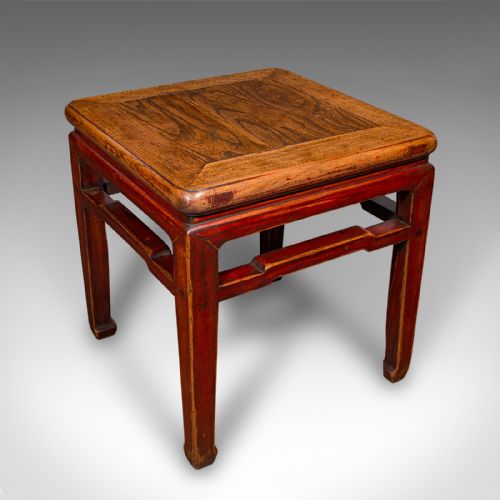
Construction relies heavily on traditional woodworking techniques applied to hardwoods such as keyaki and elm. Carpenters shaped these dense timbers to withstand daily floor-level use while maintaining structural integrity without metal fasteners.
Surface decoration frequently involves intricate carving, raised relief detail, and lacquer work. Artisans applied multiple coats to achieve deep lustres, occasionally incorporating iron or copper fittings to functional elements like hibachi brazier basins.
Japanese Low Table Retail Price Guide 2026
Typical asking prices for japanese low table among the pieces listed under this phrase on Sellingantiques today, from the lower quarter to the upper quarter. They describe what is for sale here now, not the wider market.
Several tables began life as indoor charcoal heaters before finding a second career holding cups of tea.
What varies in quality
Quality rests upon the selection of timber and the precision of the joinery. Superior examples utilise dense hardwoods like keyaki with well-figured grain, whereas simpler pieces employ plain elm or softer woods.
The refinement of surface embellishment dictates the standing of a piece. Hand-carved relief work and smooth lacquer finishes distinguish high-end workshops from mass-produced commercial furniture.
The Japanese Low Table Glossary
- Chabudai
- A traditional short-legged Japanese low table used for serving meals or drinking tea while seated on tatami mats. These tables are typically light and easily stored away when not in use.
- Hibachi
- A traditional Japanese heating device featuring an open-topped container designed to hold burning charcoal. In modern contexts, these are frequently converted into low coffee tables.
- Keyaki
- A species of Japanese elm highly prized in traditional furniture making for its strength and attractive grain pattern. It forms the primary material for many high-grade tables.
- Ebonised
- Wood that has been chemically or physically treated to resemble ebony. This dark, uniform finish was particularly popular during the Victorian and Aesthetic Movement periods.
- Chinoiserie
- European artistic styles that reflect Chinese and East Asian artistic influences. Makers during the Edwardian period applied these painted and lacquered motifs to low tables.
Japanese Low Table: Frequently Asked Questions
What is a chabudai table?
A chabudai is a traditional short-legged Japanese table designed for sitting on the floor. People used them primarily for dining, writing, or sharing tea.
In modern rooms, they function well as low coffee tables. Their compact proportions suit minimalist interior schemes.
How do you use a hibachi table?
Original hibachi units served as indoor heating braziers containing charcoal and ash. Many surviving examples feature fitted wooden covers that transform the metal-lined centre into a stable surface.
Today, they are collected as decorative coffee tables or display pieces. The recessed hearths often retain interesting copper or iron detailing.
What is keyaki wood?
Keyaki is Japanese zelkova wood, known for its exceptional hardness and rich grain pattern. Craftsmen favored it for building durable furniture that endured daily household activities.
Tables made from this timber exhibit considerable weight and resilience. The grain often deepens in character as the wood ages.
How do I style a low table?
These tables anchor a room by introducing low horizontal lines and natural materials. Pair them with floor cushions or low seating to maintain the intended ergonomic scale.
Keep surface styling restrained to highlight the wood grain or lacquer work. Items like ceramics or books complement their understated proportions.