



Japanese Collectible
These japanese collectible items range from carved wood netsuke to Meiji period cloisonne enamel and military swords.
Japanese Collectible
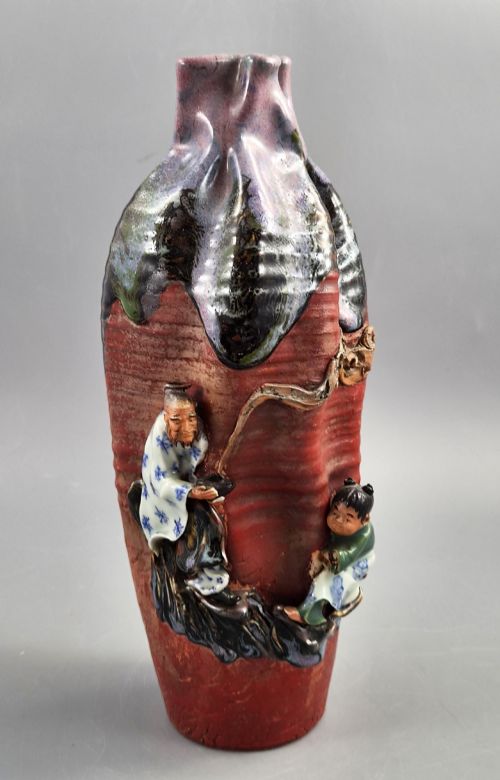
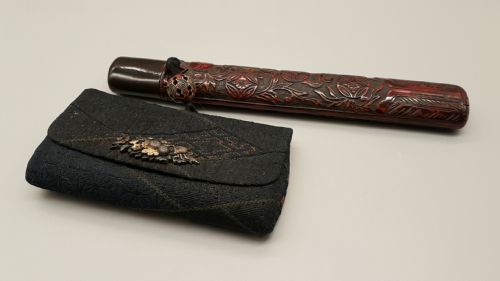
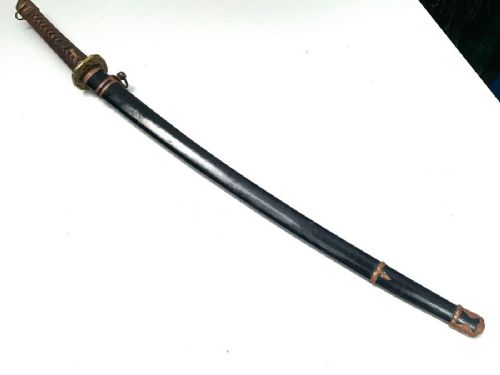
When you search for japanese collectible items, you find a varied mix of objects spanning the Edo, Meiji, and Showa periods. The selection runs from small personal accessories like smoking pouches and spectacle cases to decorative vases, plates, and edged weapons.
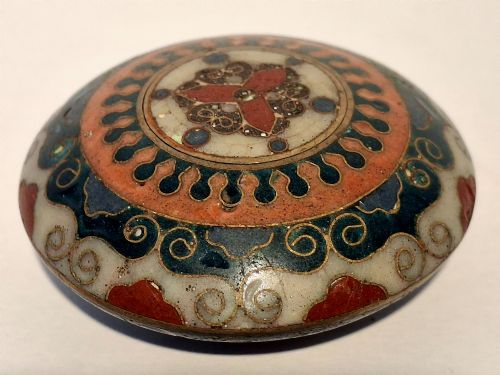
You are most likely to encounter nineteenth-century pieces, particularly from the Meiji period, alongside mid-nineteenth-century wood and enamel works. These include lidded manju, kagamibuta, and sashi netsuke alongside cast or carved objects.
How they were made
Many of these pieces rely on carved wood, cherry amber, or terracotta, shaped into intricate forms such as curled cats or human figures. Wood is frequently paired with metal fittings and enamel work.
Metal techniques include copper alloy, champleve, and cloisonne enamel, often applied to small decorative objects and lidded netsuke. Silk and other textiles appear in personal accessories like tobacco pouches and pipe cases.
Japanese Collectible Retail Price Guide 2026
Typical asking prices for japanese collectible among the pieces listed under this phrase on Sellingantiques today, from the lower quarter to the upper quarter. They describe what is for sale here now, not the wider market.
One cherry amber netsuke depicts a curled cat, capturing a domestic quietness alongside antique military swords.
What varies in quality
The standard of a japanese collectible is largely defined by the precision of the carving and the intricacy of the surface decoration. Fine examples show detailed handwork on wood netsuke and even enamel application on metal containers.
Signatures by makers such as Ban-ni elevate certain pieces, distinguishing standard production work from individual artisan output. The preservation of original materials like silk thread and lacquered surfaces also dictates the standing of each piece.
Ban-ni·Meissen
The Japanese Collectible Glossary
- Netsuke
- A small carved toggle fastened to the end of a cord hanging from a kimono sash. These objects served to secure small containers.
- Cloisonne
- A decorative metalwork technique where thin wire creates compartments filled with coloured enamel paste. These are fired to produce a smooth surface.
- Meiji
- A historical Japanese period lasting from 1868 to 1912. Art from this era often shows increased technical refinement and international influence.
- Manju
- A thick, round style of netsuke shaped like a traditional bun. They frequently feature carved or enamelled decoration on the top surface.
- Ojime
- A small decorative bead threaded on the cord between a pouch and a netsuke. They act as a slide to keep the pouch closed.
Japanese Collectible: Frequently Asked Questions
What is a netsuke used for?
A netsuke acts as a toggle to secure suspended containers like tobacco pouches or medicine boxes to a traditional sash. They slip behind the fabric to anchor the hanging cord.
Over time, these small fasteners developed into intricate miniature sculptures carved from wood, ivory, or amber, prized for both utility and artistry.
How do I identify Meiji period items?
Meiji period items typically date between 1868 and 1912, a time of significant artistic output and opening trade with the West. Look for detailed craftsmanship in metalwork, cloisonne enamel, and ceramics.
Many pieces from this era reflect traditional motifs combined with new technical standards adopted by Japanese artisans during industrialisation.
What materials are common in Japanese smoking accessories?
Smoking accessories frequently incorporate woven silk for tobacco pouches, paired with carved wood or metal for pipe cases. Ojime beads often join these elements along the hanging cord.
Metals like copper alloy and enamel feature heavily in associated fittings, while toggle pieces use wood, amber, or ceramics.
Are these objects signed by makers?
Some pieces carry artist signatures or marks inscribed directly into the wood or metal base. Signatures indicate individual workshop production rather than mass manufacture.
Carvers and metalworkers signed their netsuke, vases, and figures to denote authorship, though many surviving antiques remain unmarked.