




Japanese Casting Sculpture
These Japanese casting sculpture pieces bring animal and figure forms into bronze, spanning Meiji to Showa periods with patinated surfaces.
Japanese Casting Sculpture
When someone searches for japanese casting sculpture, they encounter three-dimensional metalwork originating from the nineteenth and early twentieth centuries. These works include okimono, garden statuary, figures, and animal subjects created during the Meiji and Showa periods.
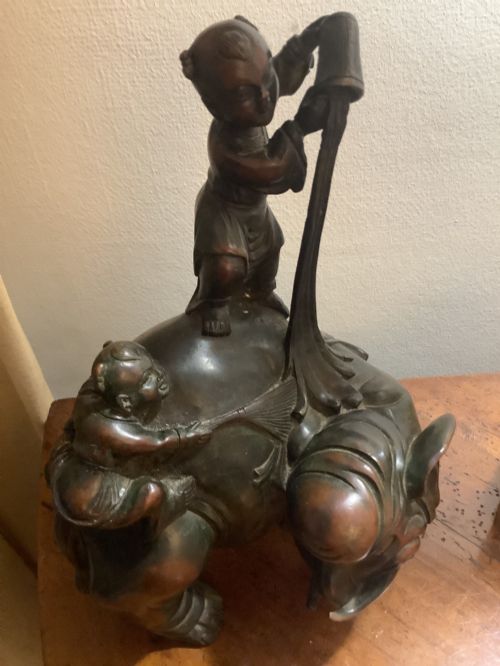
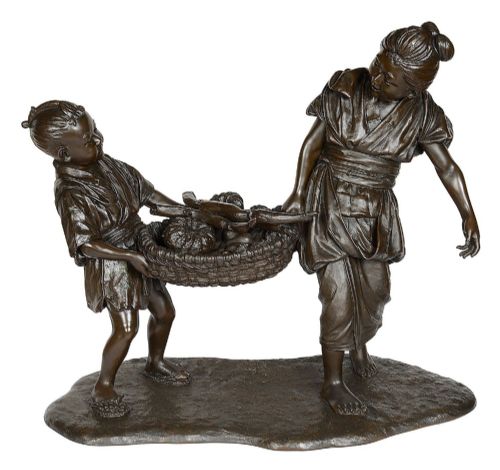
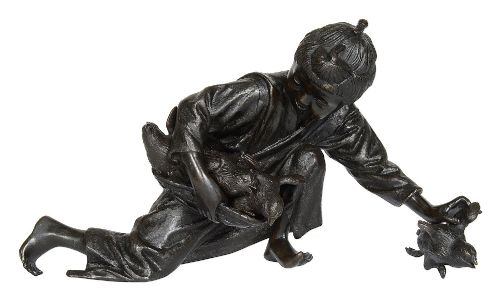
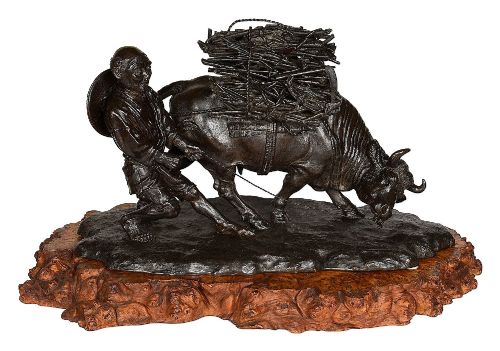
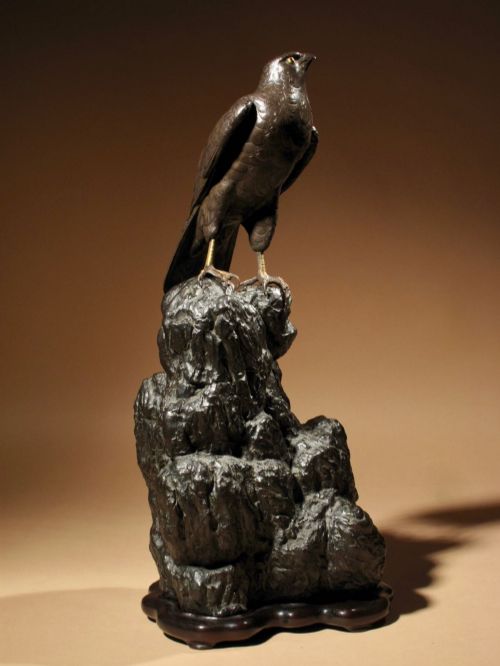
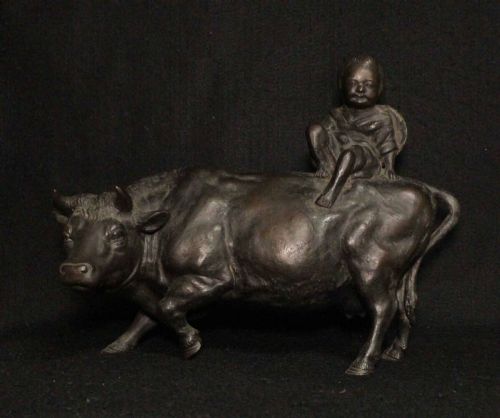
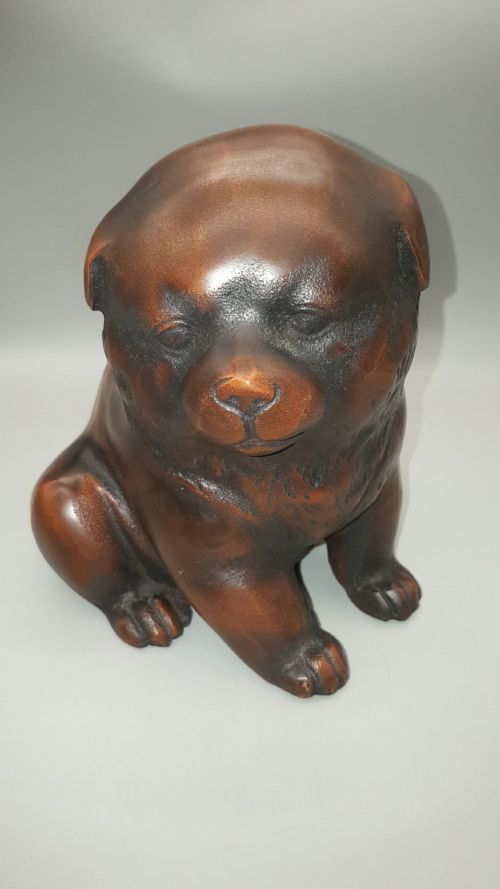
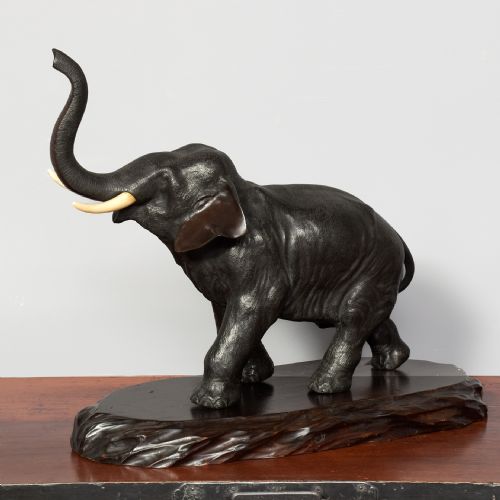
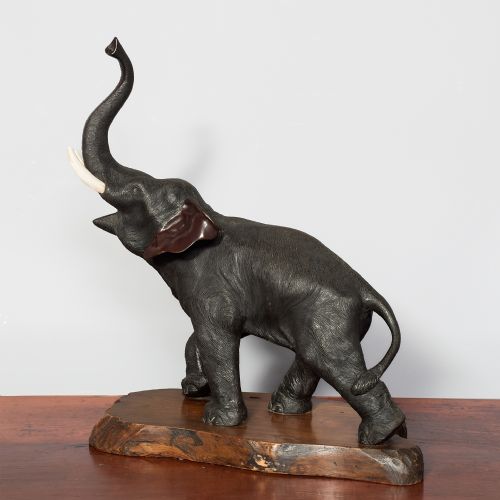
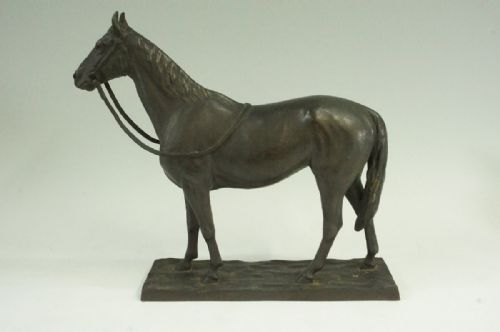
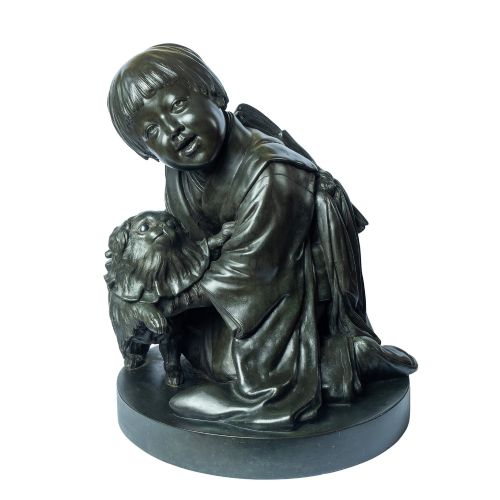
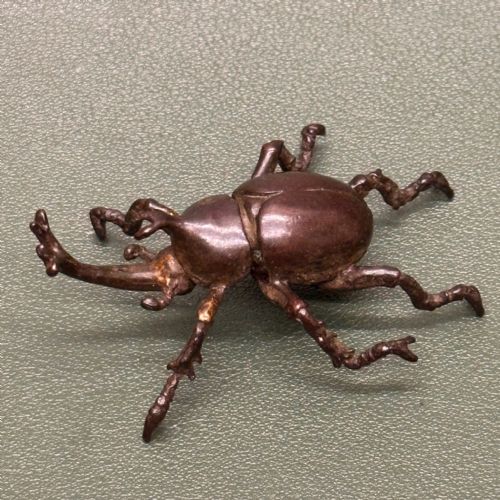
The most common form on this page is the bronze animal or figure okimono, often dated to the nineteenth century or the Meiji period. Pieces range from small puppy figures to large garden dragons, elephants, and domestic scenes.
Works also incorporate materials such as ivory, bone, wood, and marble alongside the primary metal. Garden pieces like urns, bridges, and geese appear alongside tabletop sculptures.
Distinctions in quality
Quality rests on the crispness of the casting detail, particularly in animal fur, feathers, and human expression. Sculptures showing precise chisel work and subtle patination separate superior studio pieces from standard decorative castings.
The integrity of integrated elements, such as fitted ivory tusks, inlaid eyes, and stable naturalistic bases, distinguishes finer okimono. Scale and ambition also divide domestic cabinet figures from monumental garden bronzes.
Japanese Casting Sculpture Retail Price Guide 2026
Typical asking prices for japanese casting sculpture among the pieces listed under this phrase on Sellingantiques today, from the lower quarter to the upper quarter. They describe what is for sale here now, not the wider market.
Listings span from the nineteenth century into the 1930s, featuring bronze, ivory, wood, and marble across sculpture and garden statuary.
Tsunemitsu·Masaaki·Kunio Itô·Kaniya Kuniharu·Tokyo Foundry·Sakai Kōzan
The Japanese Casting Sculpture Glossary
- Okimono
- A Japanese display item or decorative object intended for placement in an alcove or on a shelf. These pieces are cast in bronze or carved from wood and ivory.
- Meiji Period
- The era in Japanese history lasting from 1868 to 1912, associated with rapid modernisation and the creation of intricate metalwork for export.
- Patinated Bronze
- Metal treated with chemical solutions to produce a specific surface colour or aged finish. This process highlights the sculptural contours.
- Showa Period
- The period spanning from 1926 to 1989, representing later iterations of traditional casting and sculpture styles.
- Japonisme
- A Western style in art and design influenced by Japanese aesthetics during the late nineteenth century.
Japanese Casting Sculpture: Frequently Asked Questions
What is a Japanese bronze okimono?
An okimono is a decorative standalone sculpture designed for display inside a home or pavilion rather than for religious worship.
These pieces depict animals, figures, and natural subjects cast in bronze during the Meiji period.
How do I identify a Meiji period bronze?
Meiji period bronzes are typically dated between 1868 and 1912, often featuring detailed patination and naturalistic subject matter.
Makers' signatures, foundry marks, and integration of materials like ivory and bone also point to this era of production.
Were these sculptures made for export?
Many Japanese bronzes from the late nineteenth century were created specifically for international exhibition and export markets.
Western demand shaped the production of large garden statuary, animal okimono, and decorative vases.
How should I clean a patinated bronze?
Patinated bronze requires gentle dusting with a soft cloth to protect the chemical surface finish and applied details.
Harsh cleaning agents and water should be avoided to prevent stripping the historic patination.