





Japanese Art Sculpture
Japanese art sculpture brings together carved animals and bronze figures from the Meiji and Edo periods.
Japanese Art Sculpture
Japanese art sculpture encompasses carved wooden bears, bronze eagles, porcelain deities and intricate netsuke originating from various periods including the Meiji and Edo eras. Buyers searching this phrase meet a wide range of figurative works, from folk art carvings to refined decorative figurines.
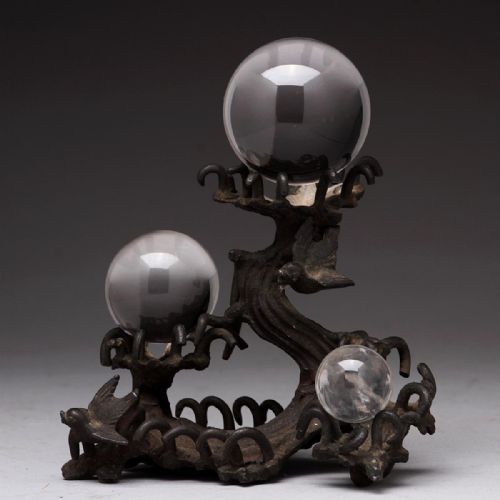
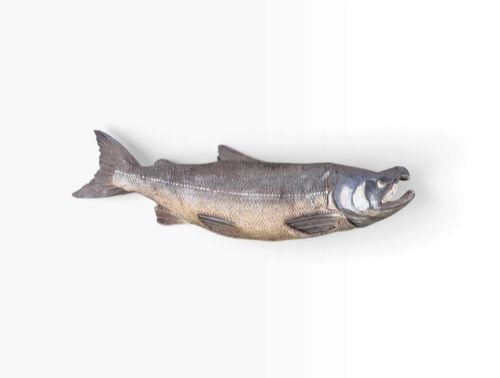
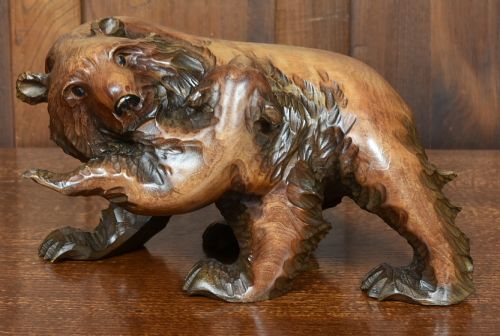
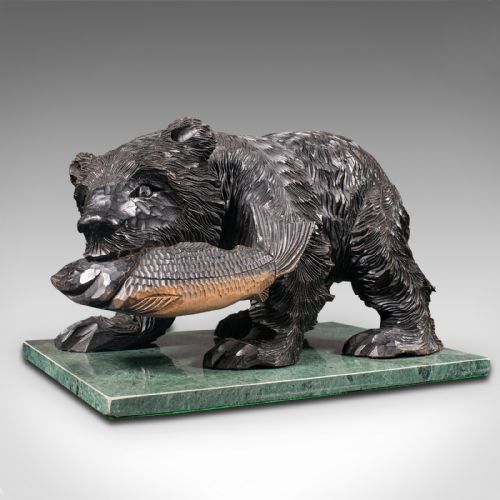
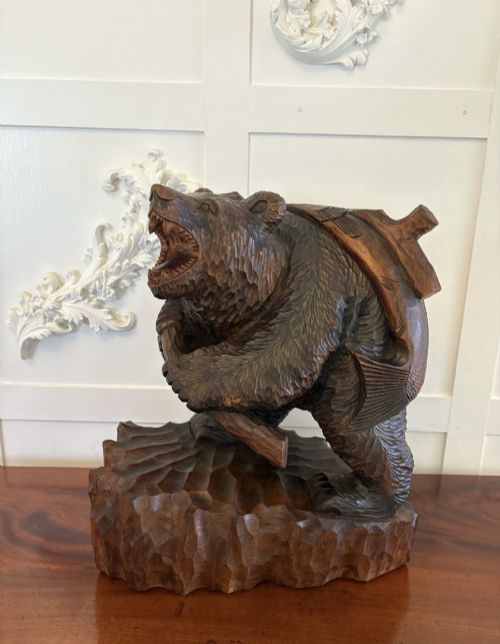
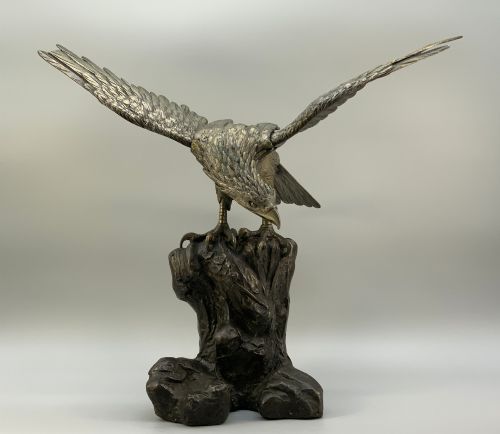
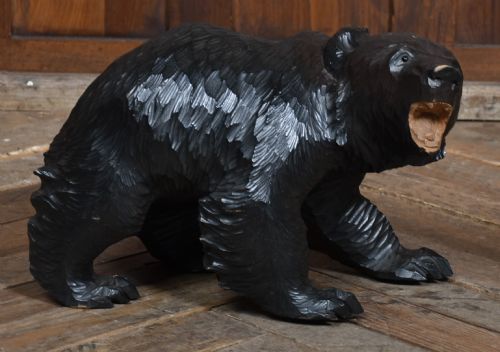
Wooden carvings of bears carrying fish or cubs appear frequently, alongside bronze okimono depicting wolves, elephants and birds. These figures demonstrate traditional craftsmanship spanning multiple centuries and materials.
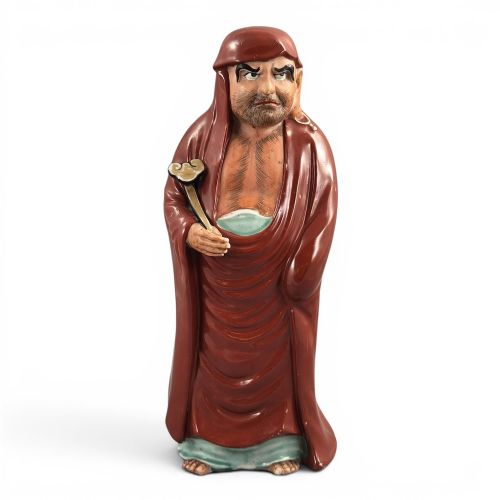
Porcelain figures such as Kutani depictions of Kannon and Daruma also populate the selection, offering ceramic alternatives to wood and bronze. Each piece reflects distinct cultural motifs from Japanese history.
Materials and methods
Wood serves as a primary medium, utilising boxwood, cedar, linden and cherry amber shaped through detailed hand-carving techniques. Artisans also worked with hardwoods and employed the Nata-tsukuri style for specific wooden sculptures.
Metalwork forms another significant category, combining bronze, patinated bronze and mixed metal to create figures and decorative vessels. Enamel and gold leaf add colour and surface ornamentation to select ceramic and metal pieces.
Porcelain production relies on traditional ceramic methods seen in Kutani and Satsuma wares, shaping figures of deities and monks. Lacquer finishes and naturalistic carving complete the repertoire of techniques recorded across the items.
Japanese Art Sculpture Retail Price Guide 2026
Typical asking prices for japanese art sculpture among the pieces listed under this phrase on Sellingantiques today, from the lower quarter to the upper quarter. They describe what is for sale here now, not the wider market.
Listings feature 19th-century wood carvings, Edwardian porcelain figures, and Meiji period bronze sculptures.
Distinctions in quality
The degree of naturalism and anatomical precision in animal carvings separates standard workshop output from exceptional work. Sculptures showing fluid movement in fur, feathers or musculature demand closer attention.
Surface patination on bronzes and the crispness of detail in wooden netsuke indicate the level of artisan skill. Finer pieces retain sharp contours and subtle textural variations that lesser examples lack.
Makuzu Kozan II·Haruyama Shunzan
The Japanese Art Sculpture Glossary
- Okimono
- A small Japanese decorative sculpture designed for display on a shelf or in a tokonoma alcove. These ornamental figures depict animals, deities and daily subjects.
- Netsuke
- A small carved toggle secured to the end of a cord hanging from a kimono sash. They often take the form of animals or mythical figures carved from wood or amber.
- Kibori Kuma
- A traditional wooden carved bear originating from the Hokkaido region of Japan, frequently shown holding a fish or cub. These folk art pieces are a staple of 19th-century and later carving.
- Kutani
- A style of Japanese porcelain known for vibrant overglaze enamel painting. Figures and vessels in this tradition often portray mythological or religious subjects.
- Satsuma
- A type of Japanese earthenware featuring a pale, ivory-coloured crackle glaze decorated with enamel and gilding. Pieces from this tradition typically represent figures and deities.
Japanese Art Sculpture: Frequently Asked Questions
What is an okimono?
An okimono is a standalone decorative sculpture traditionally placed inside a Japanese home for aesthetic appreciation. These pieces encompass carved animals, human figures and symbolic objects.
Unlike netsuke, okimono were not made to fasten clothing accessories. They functioned purely as interior ornaments.
How are wooden bears carved?
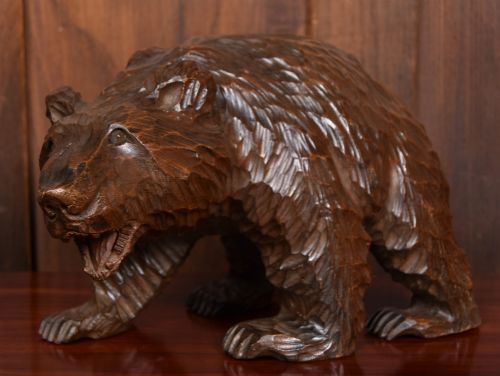
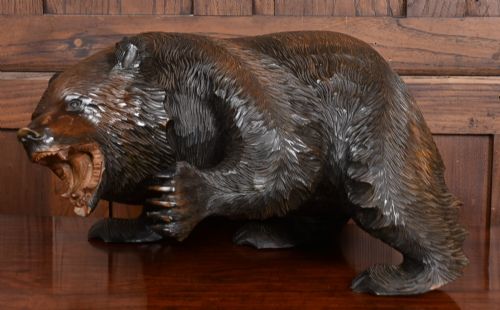
Wooden bear sculptures, often termed kibori Kuma, utilise hand-carving methods on regional timbers such as cedar and linden. Artisans shape the fur texture using gouges and chisels.
Many depict the animal holding a fish in its jaws or protecting a cub. This subject became a prominent part of Japanese folk art production.
What do netsuke depict?
Netsuke typically portray animals, legendary figures, and scenes from daily life scaled down to miniature proportions. Carvers utilised boxwood, cherry amber and exotic woods for these toggles.
Their compact forms feature tactile surfaces designed to be handled. Holes carved into the body allowed cords to pass through securely.
How do I identify Meiji period bronzes?
Meiji period bronzes display precise patination and naturalistic detailing of animals and human figures. Artisans captured subjects like eagles, wolves and elephants with high anatomical accuracy.
These metal sculptures reflect the opening of Japan to Western markets during the late nineteenth century. Mixed metal accents frequently complement the primary bronze casting.