






Japanese Art Plate
These japanese art plate selections span decorative chargers and framed prints, offering hand-finished motifs from the Meiji and Taisho periods.
Japanese Art Plate
A japanese art plate encompasses decorative chargers, shallow bowls, and plaques originating primarily from the nineteenth and early twentieth centuries. Buyers frequently encounter traditional Imari porcelain wares alongside intricate cloisonne enamel surfaces depicting birds, koi carp, and auspicious symbols.
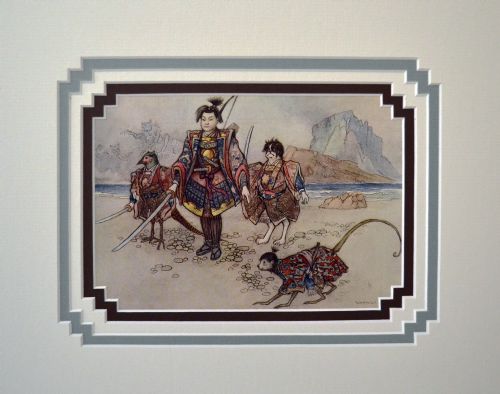
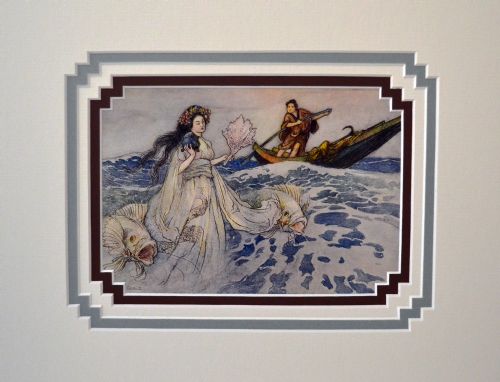
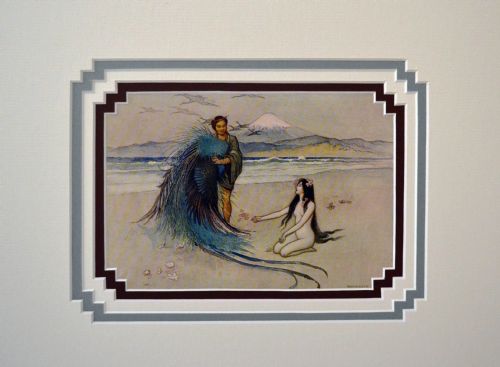
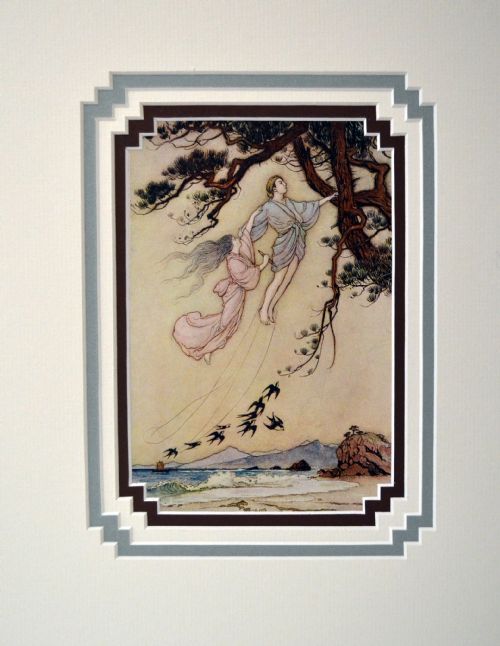
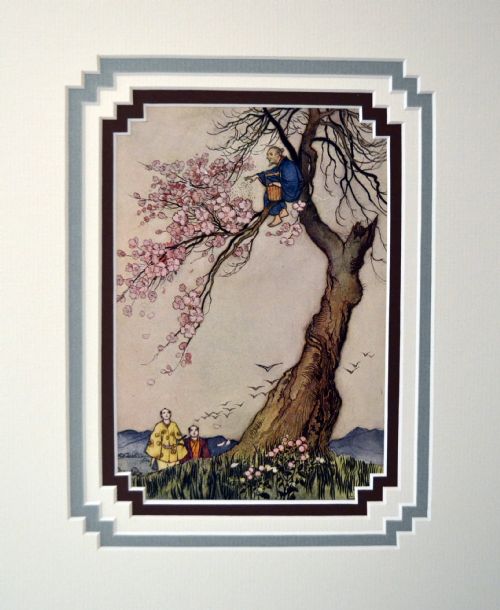
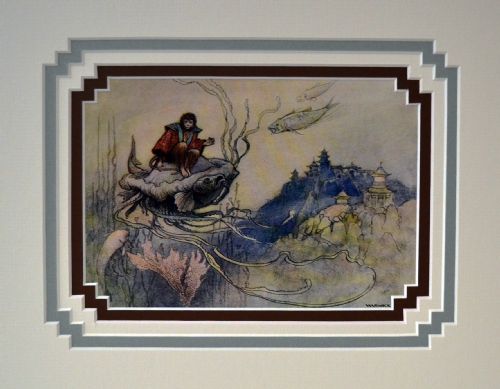
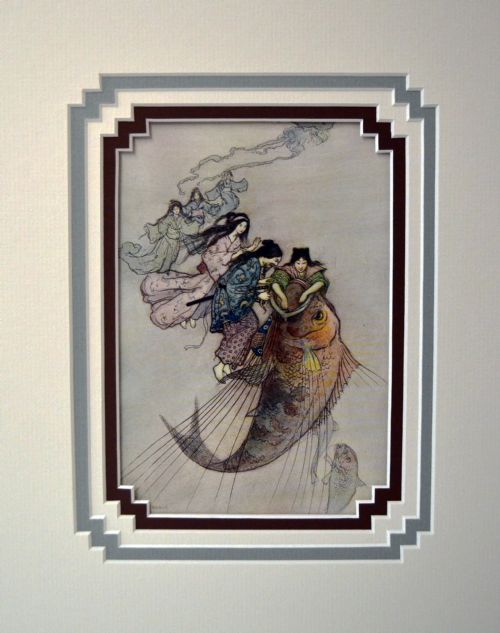
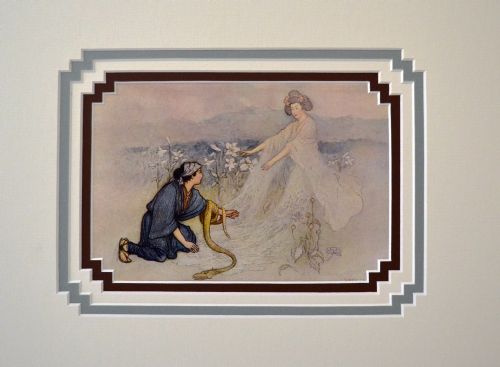
Beyond ceramics and metalwork, the category extends to paper prints such as Edwardian first edition illustrations. These diverse formats reflect the strong aesthetic exchange between Japanese craftsmanship and European interiors during the late Victorian and Edwardian eras.
Materials and Construction
Cloisonne pieces rely on copper or brass foundations decorated with wire cells filled with coloured enamel, then fired and polished to a smooth finish. Porous porcelain bodies form the base for Imari designs, painted in cobalt blue and iron red with occasional gold leaf highlights.
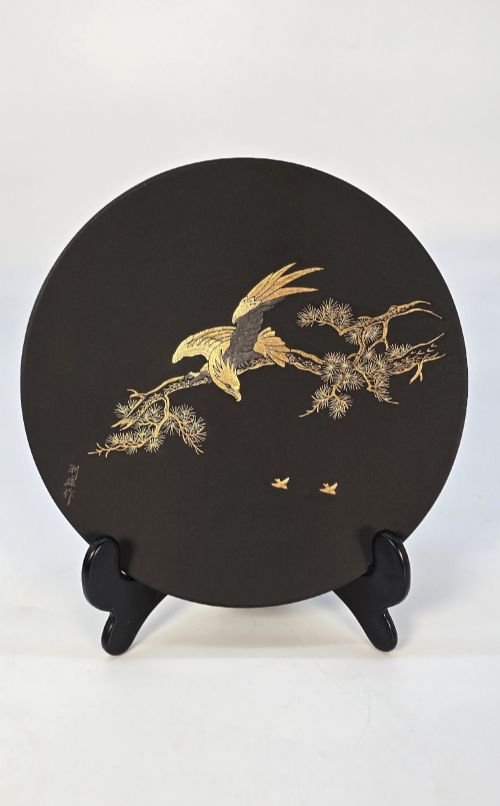
Other examples utilise patinated iron with gold and silver inlay, or traditional lacquer techniques applied to wooden plaques. Printed works incorporate ink and paper, often presented as framed illustrations or bound collections of fairy tales.
Japanese Art Plate Retail Price Guide 2026
Typical asking prices for japanese art plate among the pieces listed under this phrase on Sellingantiques today, from the lower quarter to the upper quarter. They describe what is for sale here now, not the wider market.
Current listings feature items from the 1850s through to the 1920s, incorporating materials such as copper, porcelain, paper, and gold leaf.
Assessing Quality
Mastery is evident in the precision of wirework on cloisonne enamel chargers and the clarity of painted detail on Imari porcelain. Superior examples display balanced compositions depicting complex subjects like samurai figures or leaping koi without crowding the surface.
Condition and scale also differentiate the range, with larger chargers and intact sets commanding attention. Signed works and items retaining their original patination or bright enamels demonstrate superior preservation through the decades.
Shuzan for Yasuda·Dr Christopher Dresser·Roberts and Belk·Warwick Goble
The Japanese Art Plate Glossary
- Imari
- A style of Japanese porcelain featuring a distinctive palette of cobalt blue, iron red, and white, often enriched with gold. These wares were heavily exported to Europe during the Meiji period.
- Cloisonne
- A decorative metalwork technique where fine wires are soldered to a copper or brass base to create compartments filled with enamel paste. The piece is subsequently fired and polished flat.
- Charger
- A large decorative plate intended for display on a wall or sideboard rather than for dining use. They often measure over thirty centimetres in diameter.
- Meiji Period
- The era in Japanese history spanning from 1868 to 1912, characterised by rapid modernisation and a surge in decorative arts exported to Western markets.
- Satsuma
- A type of earthenware pottery with a crackled ivory glaze, traditionally decorated with polychrome enamel and gilt patterns.
Japanese Art Plate: Frequently Asked Questions
How do I display a large decorative plate?
Heavy chargers and decorative plates are typically mounted on sturdy wall brackets or supported upright on dedicated plate stands. Ensure the display method securely accommodates the weight of metal or ceramic bodies.
Position items away from direct sunlight to preserve the vibrancy of enamel colours and paper prints.
What is the difference between Imari and cloisonne?
Imari refers to painted porcelain decorated with cobalt blue and iron red glazes, often produced in kilns for export. Cloisonne involves metal vessels decorated with raised wire partitions filled with vitreous enamel.
Both styles were prominent during the Meiji period but utilise entirely different manufacturing techniques.
How do I care for antique enamel and porcelain?
Dust surfaces gently with a soft, dry cloth to prevent accumulation without scratching the glaze or metal wirework. Avoid using chemical cleaners, water immersion, or abrasive cloths on antique enamels and paper prints.
Stable room temperatures help protect lacquer and cardboard elements from warping.
What subjects appear on these plates?
Common motifs include natural scenes featuring birds, dragons, koi carp, and tendrils alongside symbolic figures such as the Seven Lucky Gods or samurai warriors. These designs often carry traditional auspicious meanings.
Print editions also illustrate classic fairy tales from the period.