



Japanese Art Carvings
These japanese art carvings are tactile wooden netsuke, bear sculptures, and wall plaques that reward close handling.
Japanese Art Carvings
When you search for japanese art carvings, you encounter miniature sculptures and animal figures that originated across the nineteenth and early twentieth centuries. The selection on this page leans heavily toward carved wood netsuke, boxwood figures, and hand-carved wooden bears.
Forms range from compact netsuke depicting toads, cats, and clustered nuts to larger sculptures such as geisha figures and wall plaques of Daruma. These pieces reflect traditional Japanese folk art, Edo, Meiji, and Taisho periods.
Most items you meet here are worked in wood, with specific examples in boxwood, linden wood, and cherry amber. Their original domestic and decorative functions survive in the tactile polish of the handling.
How they were made
Carvers shaped these objects primarily from boxwood, linden wood, and various exotic hardwoods, often applying stains and wax finishes to enhance the grain. Certain netsuke incorporate champleve cloisonne enamel or utilise boar's tusk alongside the primary timber.
Techniques range from the naturalistic carving seen in animal netsuke to the Nata-tsukuri style used for figurative wooden sculptures. Artisans worked the wood by hand to create intricate details like fur, scales, and facial expressions.
Japanese Art Carvings Retail Price Guide 2026
Typical asking prices for japanese art carvings among the pieces listed under this phrase on Sellingantiques today, from the lower quarter to the upper quarter. They describe what is for sale here now, not the wider market.
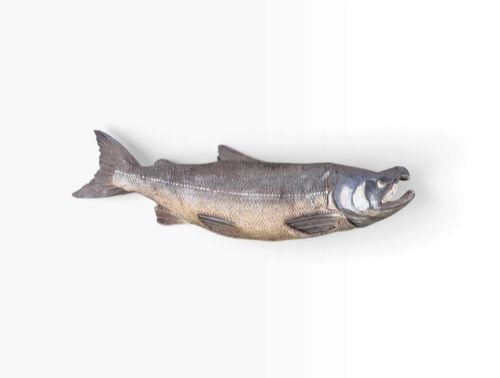
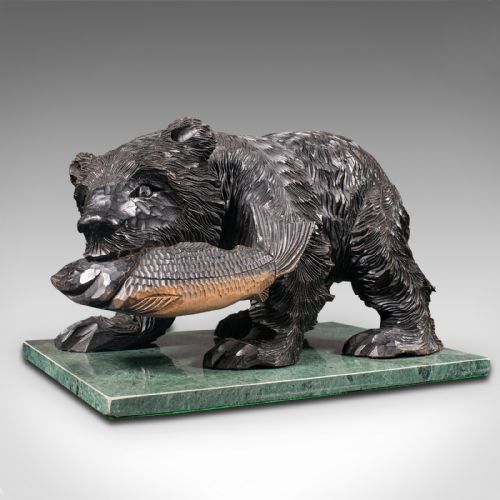
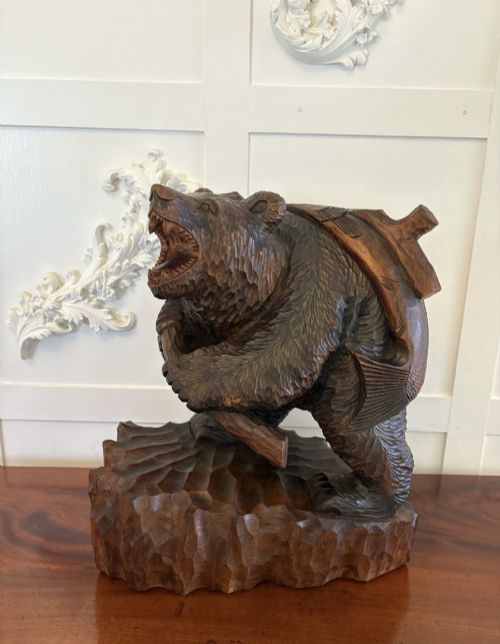
Several bears carry fish.
What varies in quality
Quality rests in the precision of the carving and the naturalism of the form, distinguishing lively animal depictions from stiffer productions. The depth of detail in fur, expression, and texture dictates the standing of each piece.
Signatures by the carver elevate certain netsuke and sculptures, marking the hand of a skilled maker. Material choice also plays a role, with dense boxwood and select cherry amber offering superior tactile qualities over standard timbers.
The Japanese Art Carvings Glossary
- Netsuke
- A small carved toggle fastened to the end of a cord connecting a container to a kimono sash. They were essential garments accessories in traditional Japanese dress.
- Kibori Kuma
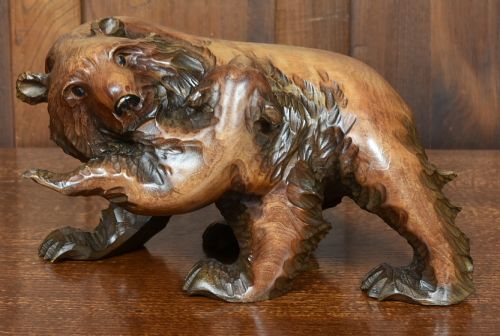
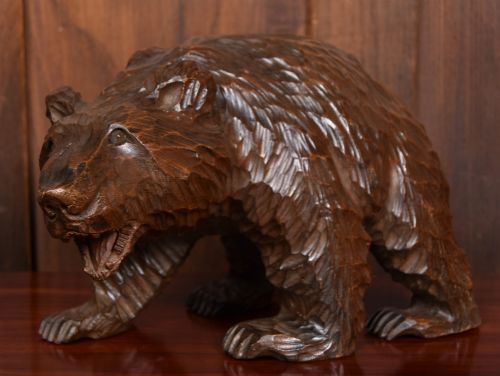
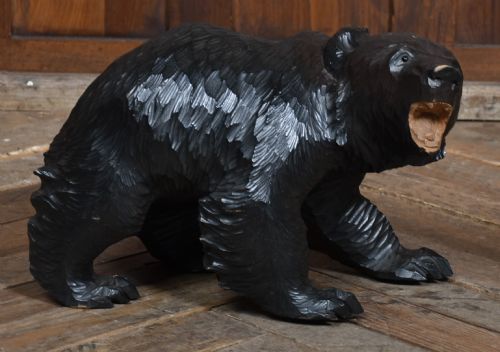
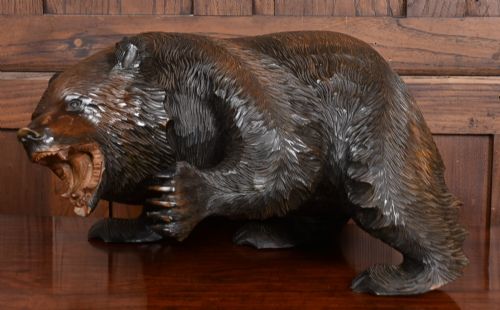
- A style of Japanese wood-carved bear originating from Hokkaido. These carvings frequently depict bears holding fish or standing on all fours.
- Okimono
- A standalone decorative sculpture intended for display on a tokonoma alcove or shelf. Unlike netsuke, they served no practical fastening purpose.
- Boxwood
- A dense, pale hardwood favoured by carvers for its fine grain and ability to hold intricate detail without splintering. It develops a warm patina through handling.
- Nata-tsukuri
- A rough-hewn carving style that leaves visible hatchet or adze marks on the surface of the wood. This technique imparts a rustic texture to figurative sculptures.
Japanese Art Carvings: Frequently Asked Questions
What is a netsuke used for?
A netsuke functioned as a toggle on the end of a silken cord attached to a suspended container like a inro or pouch. Tucked behind the kimono sash, it prevented the suspended pouch from slipping.
Over time, these practical toggles evolved into highly elaborate miniature sculptures collected for their artistry and tactile qualities.
How do I identify a kibori kuma bear?
A kibori kuma is a Japanese wood-carved bear, typically depicted holding a salmon in its mouth or paws. These wooden sculptures originated in Hokkaido and show distinct fur texturing.
They appear frequently in nineteenth and twentieth-century material, ranging from small desk ornaments to larger decorative figures.
What is an okimono?
An okimono is an ornamental carving placed on display in a traditional Japanese room, usually on a shelf or in an alcove. Unlike netsuke, they have no functional cord holes or fastening purpose.
Subjects include animals, figures like geisha, and natural objects carved from wood or other materials.
How do I care for carved wood pieces?
Carved wood requires stable indoor humidity and protection from direct sunlight to prevent drying and splitting. Dust them gently with a soft brush rather than liquid cleaners.
Handling the wood allows natural oils from your hands to feed the surface and improve the patina over the years.