


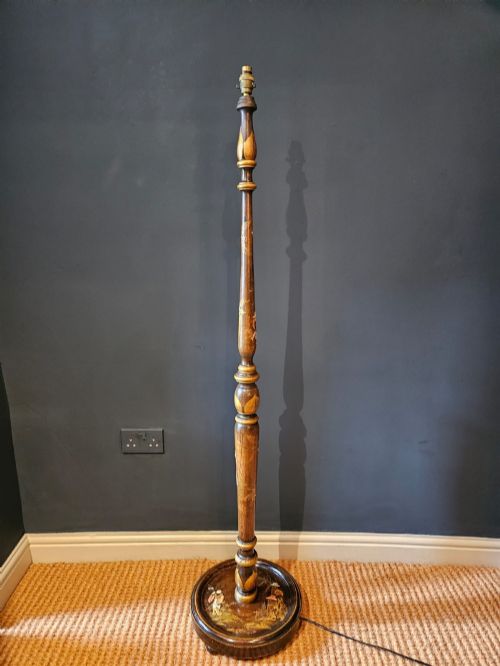


Japaned Wood Stands
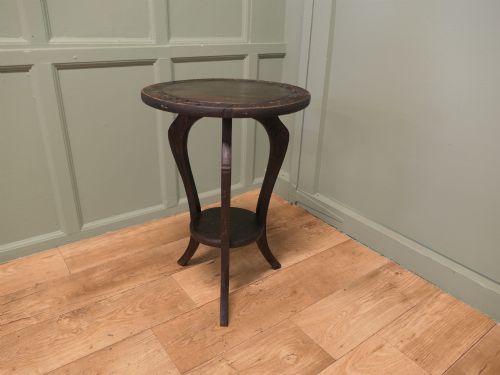
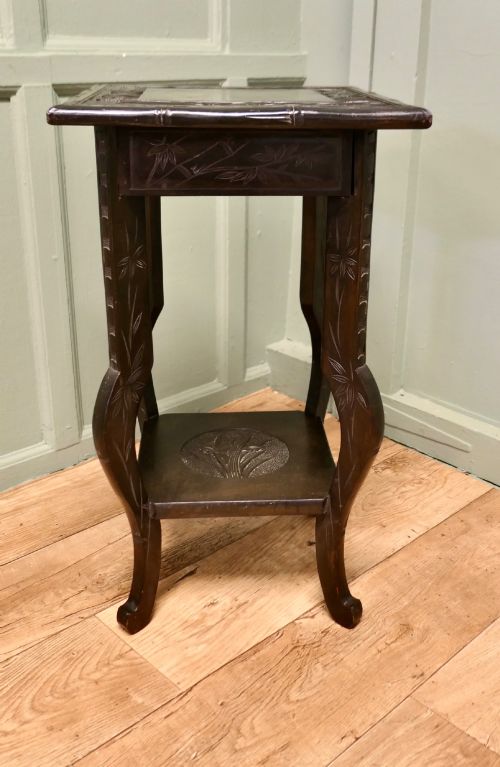
Japaned wood stands bring surface pattern and glossy depth into a room, offering functional elevation for lighting or displays.
Japaned Wood Stands
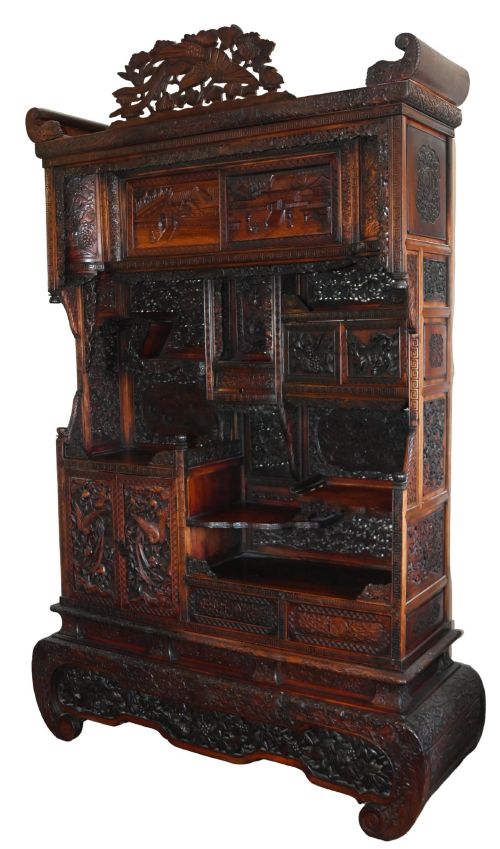
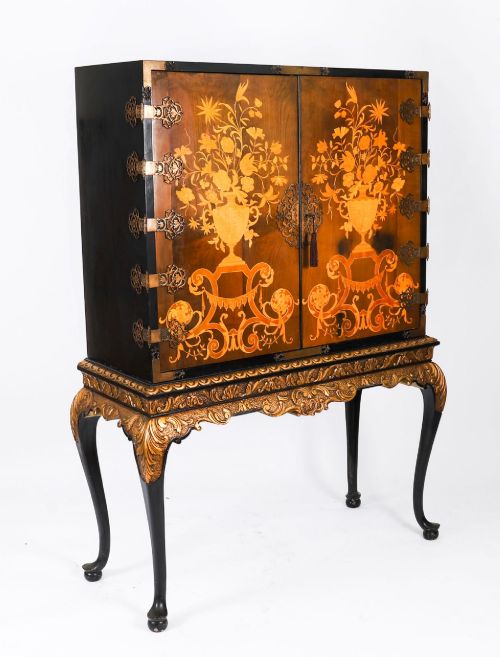
When searching for japaned wood stands, buyers encounter objects designed to elevate items or fill corners with decorated height, ranging from floor lamps and standard lamps to cabinets on stands. These pieces span from the early eighteenth century through the Edwardian era and into the nineteen-thirties.
The assortment on this page draws on diverse stylistic interpretations including Chinoiserie, Aesthetic Movement, and Queen Anne Revival designs. Originating from various periods, they incorporate forms such as side tables and display cabinets alongside lighting supports.
Buyers are most likely to meet twentieth-century interpretations alongside earlier eighteenth-century examples. The selection demonstrates how European craftsmen adapted East Asian lacquer techniques for domestic furniture over several centuries.
How they were made
Construction relies upon hardwoods and general wood substrates finished with lacquer, often enhanced with gilt and brass fittings. Artisans applied layers of lacquer to build a deep, reflective surface before adding decorative motifs.
The visual vocabulary depends heavily on Chinoiserie and Japanese aesthetic traditions, painted or built up in relief upon black, red, green, or cream grounds. Glass panels also feature in pieces designed for display purposes.
Japaned Wood Stands Retail Price Guide 2026
Typical asking prices for japaned wood stands among the pieces listed under this phrase on Sellingantiques today, from the lower quarter to the upper quarter. They describe what is for sale here now, not the wider market.
Even a grandmother clock can wear a coat of cream Chinoiserie.
What varies in quality
Quality rests upon the depth and preservation of the lacquered surface, together with the crispness of the gilt work and painted detail. Pieces executed with subtle tonal variation and well-preserved layered finishes stand apart from simpler applications.
Structural integrity of the underlying hardwood stand and the harmonious integration of the base with the upper cabinet or lamp standard dictate the overall success of the piece. Proportion and the refinement of period-specific details mark the upper tier of examples.
Gardner of London·Harrods
The Japaned Wood Stands Glossary
- Japaning
- A European imitation of East Asian lacquerwork, developed to replicate Asian decorative arts using varnishes and metallic powders. This finish was widely applied to furniture throughout the Georgian period and later revivals.
- Chinoiserie
- European artistic style reflecting Chinese motifs and cultural themes, popular in furniture and interior decoration. It frequently appears alongside japaned surfaces in standard lamps and cabinets.
- Giltwood
- Wood that has been treated with gold leaf or gold paint to highlight carved decoration. This material often accents the edges and stands of lacquered cabinetwork.
- Meiji Period
- A Japanese historical era spanning from eighteen sixty-eight to nineteen twelve, associated with traditional crafts exported to the West. Pieces from this period inform the stylistic background of related items.
- Aesthetic Movement
- Nineteenth-century design movement that emphasised art for art's sake and incorporated diverse global influences. Works from this period utilise distinct decorative treatments on wood substrates.
Japaned Wood Stands: Frequently Asked Questions
What are japaned wood stands?
These are wooden furniture pieces and vertical supports finished with European lacquer techniques that imitate Asian decorative styles. They include floor-standing lighting supports and elevated cabinetry.
Such items were designed to introduce reflective surfaces and narrative decoration into domestic interiors. Their forms bridge lighting fixtures and display furniture.
How were they used historically?
Standard lamps provided ambient illumination in principal rooms, while cabinets on stands held precious objects, medals, or drinks. Their elevated forms made them prominent decorative focal points.
Owners placed them in reception rooms and hallways to display both their possessions and taste for exotic ornamentation. The elevated stands kept contents visible and accessible.
How do I live with them?
Position these pieces away from direct sunlight and strong heat sources to protect the delicate lacquer and gilt finishes. Regular dusting with a soft, dry cloth helps maintain the polished surface.
Their varied background colours, ranging from cream and green to red and black, allow them to anchor diverse interior schemes. Stability on level flooring is essential for taller standard lamps and cabinets.
How can I tell periods apart?
Early eighteenth-century examples display robust proportions and hand-mixed lacquer finishes typical of the Georgian era. Later pieces from the Edwardian period and nineteen-thirties often reflect revival movements with cleaner lines.
Stylistic shifts in the painted motifs and the construction of the underlying wood help indicate the approximate date. Comparing the hardware, such as brass hinges or fittings, provides further chronological clues.