



Jacobean Wood Stool
A jacobean wood stool brings solid timber and sturdy jointed construction straight into a room, offering practical seating rooted in centuries of craftsmanship.
Jacobean Wood Stool
When searching for a jacobean wood stool, buyers encounter solid timber seating that often dates from later revivals alongside pieces from earlier centuries. These items trace their heritage back through the seventeenth century, drawing on English Baroque and country oak traditions.
How they were made
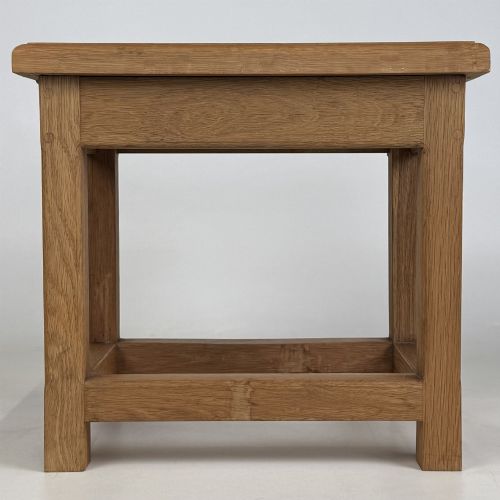
Construction relies entirely on solid oak, selected for durability and strength. Craftsmen shaped these timbers using hand tools, cutting traditional joints that rely on wooden pegs for stability.
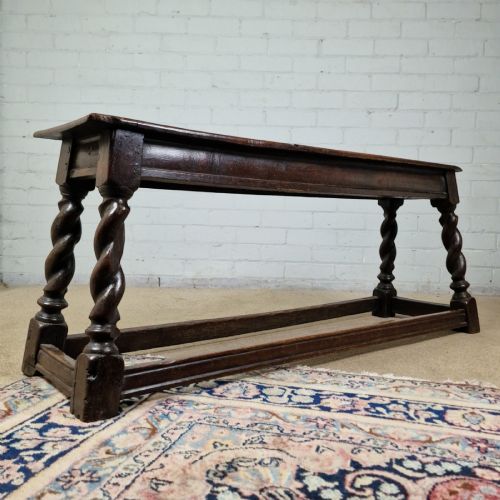
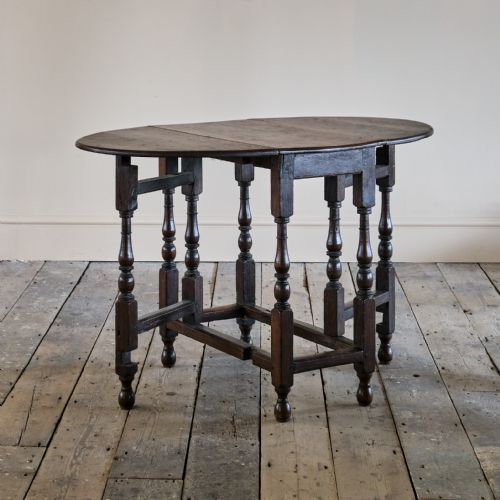
Surface details often include turned legs, carved rails, and occasional additions such as brass or linen elements. The natural grain of the oak remains visible, treated simply with traditional finishes rather than heavy modern lacquers.
Jacobean Wood Stool Retail Price Guide 2026
Typical asking prices for jacobean wood stool among the pieces listed under this phrase on Sellingantiques today, from the lower quarter to the upper quarter. They describe what is for sale here now, not the wider market.
Listings feature oak as the exclusive material, spanning the seventeenth, eighteenth, and nineteenth centuries alongside Edwardian revivals.
What varies in quality
Quality rests on the integrity of the original timber and the crispness of any hand-carved decoration on the rails or legs. Pieces retaining their original pegged joints and unreplaced structural timbers command greater respect among collectors.
Proportion and utility also set examples apart, ranging from simple utilitarian forms meant for daily use to more decorative revivals intended to showcase period style.
The Jacobean Wood Stool Glossary
- Joint stool
- A traditional wooden stool built with pegged mortise and tenon joinery instead of glued dowels. This method creates a rigid frame capable of supporting heavy weight.
- Oak
- A dense, durable hardwood native to Britain, favoured for centuries in domestic furniture making. Its prominent grain pattern accepts traditional finishes well.
- Mortise and tenon
- A joint wherein a protruding tongue fits tightly into a matching cavity, secured by a wooden peg. It forms the structural backbone of early British seating.
- Jacobean Revival
- A nineteenth-century and Edwardian movement that emulates the heavy timber forms and carved ornamentation of the early seventeenth century. Makers revisited these older styles to satisfy Victorian and Edwardian tastes for historicism.
Jacobean Wood Stool: Frequently Asked Questions
What is a joint stool?
A joint stool is a sturdy wooden seat constructed using pegged mortise and tenon joinery. The term comes from the joiner trade, which produced these rigid frames before chair-making became a separate specialisation.
These pieces served versatile roles in early households, functioning as seats, small side tables, or steps for reaching high shelves.
How do I date an oak stool?
Dating relies on examining the tool marks, timber shrinkage, and the style of turning on the legs. Seventeenth-century originals display hand-planed surfaces and wear patterns distinct from later revivals.
Later copies from the nineteenth and early twentieth centuries often reveal mechanical saw marks or different wood preparation methods under close inspection.
Were these stools used for sitting?
They served primarily as practical seating around the dining table or hearth in early homes. Their robust build meant they could also double as small tables for household tasks.
Today, they function easily as bedside tables, plant stands, or occasional seats in living spaces.
What wood was used?
English oak serves as the primary material across these pieces, chosen for its plentiful supply and exceptional hardness. The timber darkens naturally over centuries with exposure to light and air.
Occasional examples incorporate minor elements of brass or textile components like linen, though wood remains the dominant medium.