






Jacobean Wall Hanging
These jacobean wall hanging pieces bring rich seventeenth-century texture and dark carved timber into modern rooms.
Jacobean Wall Hanging
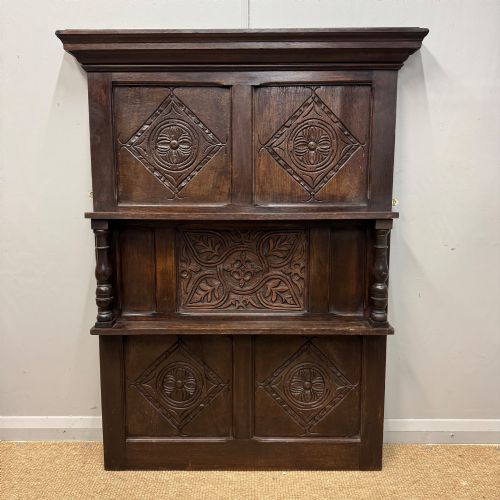
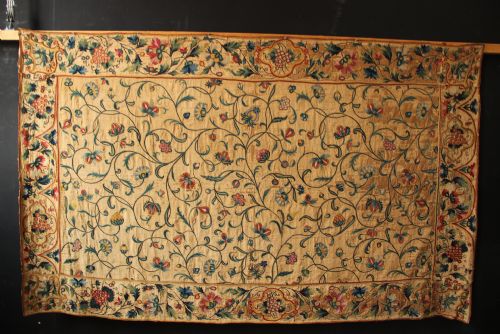
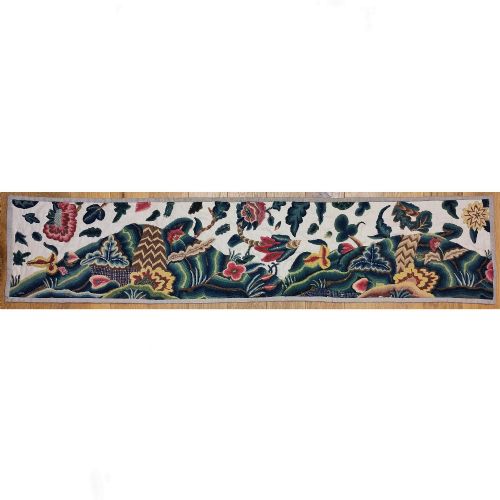
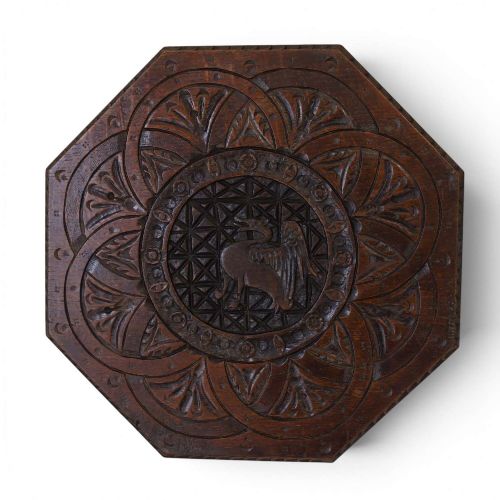
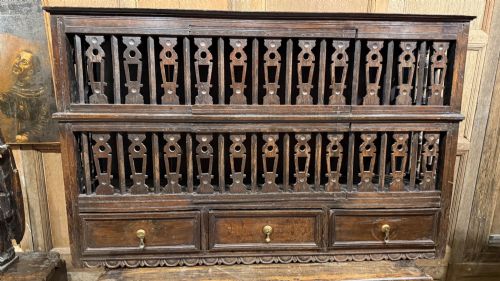
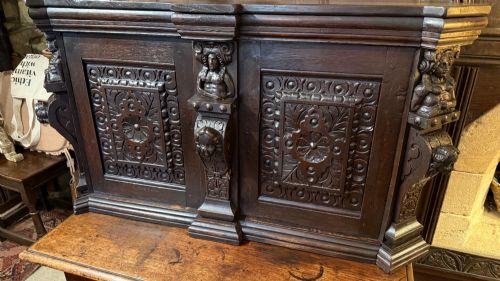
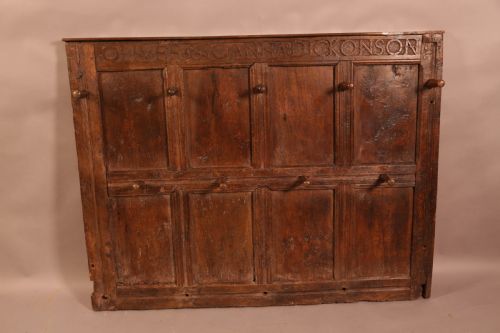
The most common form met on this page is the carved oak panel or hanging cupboard originating from either the original period or the nineteenth-century revival. Textile examples include crewelwork embroidered panels employing wool and silk thread on linen grounds.
Pieces range from simple wall shelves and plaques to architectural overmantels and large embroidered textiles. These items reflect both domestic utility and decorative arts spanning from the seventeen-hundreds through the early twentieth century.
What Varies in Quality
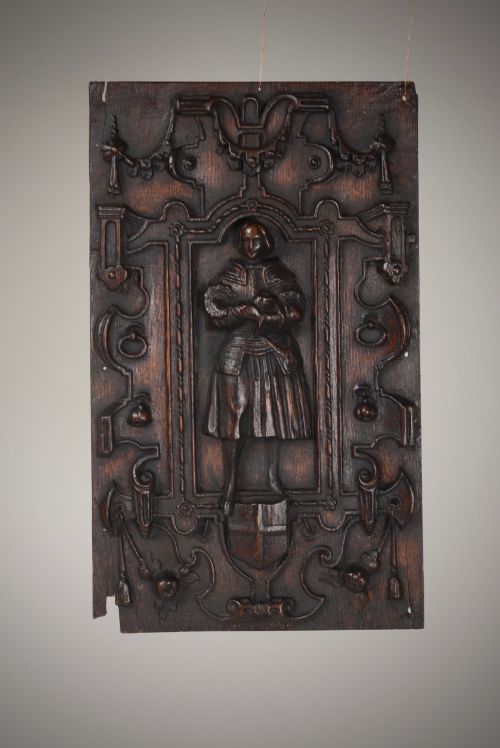
The depth and crispness of the hand-carved detail separate ordinary panels from superior examples. Master carvers achieved subtle undercut shadows and sharp relief in oak, whereas lesser pieces show blunt edges and repetitive stamping.
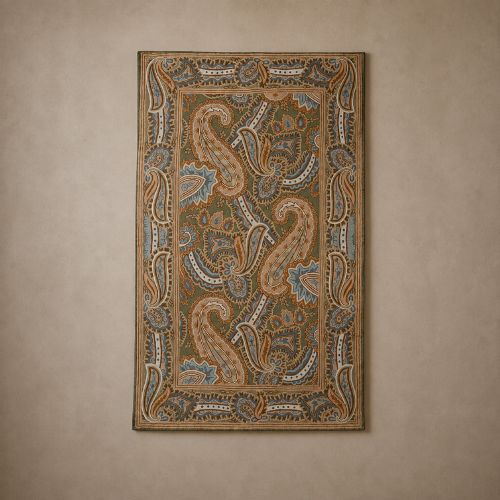
In textile works, the density of the stitching and the complexity of the wool and silk threadwork determine the standard of the piece. Finer embroideries retain vibrant natural dye tones and complex botanical motifs across the linen ground.
Jacobean Wall Hanging Retail Price Guide 2026
Typical asking prices for jacobean wall hanging among the pieces listed under this phrase on Sellingantiques today, from the lower quarter to the upper quarter. They describe what is for sale here now, not the wider market.
Listings combine seventeenth-century survivals with nineteenth-century revival pieces, utilising oak, linen, wool, and brass.
The Jacobean Wall Hanging Glossary
- Crewelwork
- Embroidery executed with fine wool yarn on a linen or cotton twill fabric. This technique creates textured surface designs using traditional stitches like chain stitch and stem stitch.
- Livery Cupboard
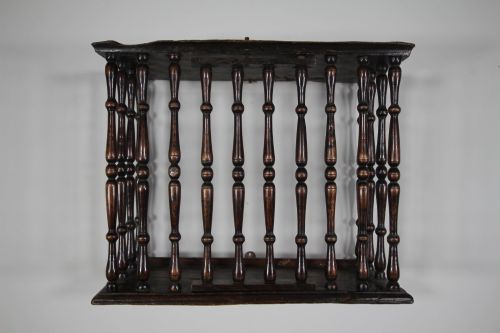
- A small storage cabinet, often wall-hanging, originally used for keeping food or candles ventilated. These items feature pierced wooden doors or turned spindles for air circulation.
- Overmantel
- A decorative panel, mirror, or carving positioned directly above a fireplace mantelpiece. They serve as a focal point on interior walls.
- Carolean
- Pertaining to the reign of King Charles the Second, spanning the mid to late seventeenth century. This era is noted for ornate baroque furnishings and rich surface ornamentation.
Jacobean Wall Hanging: Frequently Asked Questions
How do I hang a heavy oak panel?
Heavy carved oak pieces require secure wall fixings screwed directly into structural studs or masonry anchors. Professional mirror plates or hidden french cleats distribute the substantial weight safely.
Lighter textile panels need evenly distributed support along a wooden batten or padded sleeve rather than relying on a single suspension point.
Are these textiles sensitive to light?
Wool and silk thread embroidered on linen will fade when exposed to direct sunlight over extended periods. Position these wall hangings away from unshaded windows to preserve the natural dye colours.
Ambient room illumination is entirely sufficient for appreciating the intricate needlework without risking fibre degradation.
How do I clean antique crewelwork?
Surface dust should be removed gently using a soft brush with very light downward strokes. Avoid vigorous vacuuming or rubbing, which can pull loose wool and silk threads from the linen ground.
Professional textile conservators should handle any deeper cleaning or washing procedures to prevent shrinkage and structural damage.
What is the difference between original and revival pieces?
Seventeenth-century items display the tool marks, timber shrinkage, and wear patterns consistent with centuries of domestic use. The construction methods and patination reflect the primary period of manufacture.
Nineteenth-century revival pieces utilise similar oak and traditional motifs but often show mechanical saw marks and cleaner joinery typical of later workshops.