




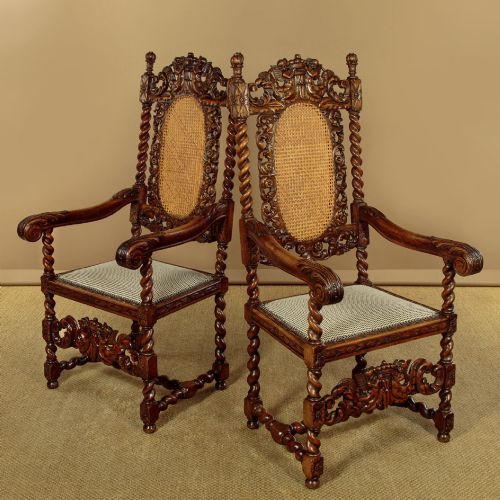
Jacobean Revival Seat
These jacobean revival seat options bring heavy timber frames and deep historical styling into domestic spaces.
Jacobean Revival Seat
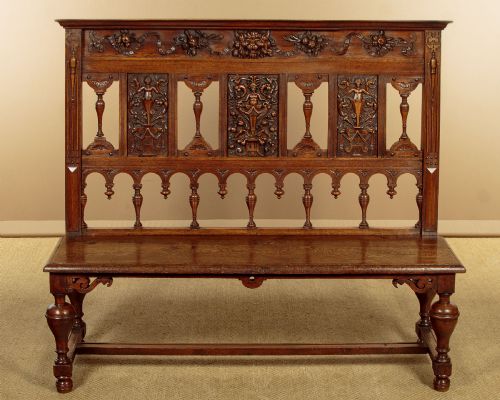
A jacobean revival seat encompasses dining chairs, armchairs, hall benches, settles, and stools originating from the nineteenth and early twentieth centuries. These pieces draw heavily on seventeenth-century forms, reinterpreting earlier periods through Victorian, Edwardian, and later iterations.
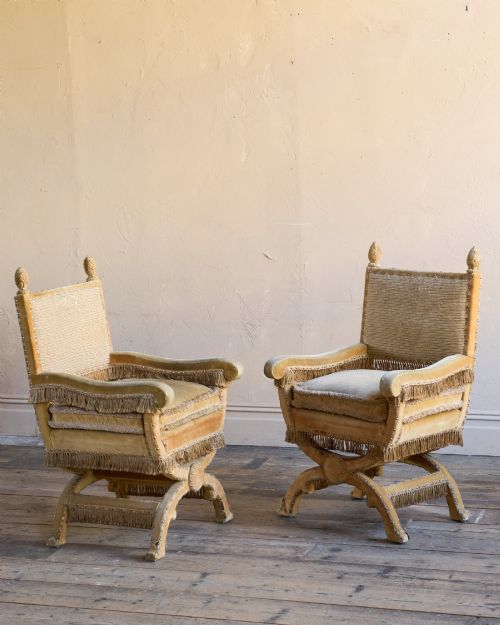
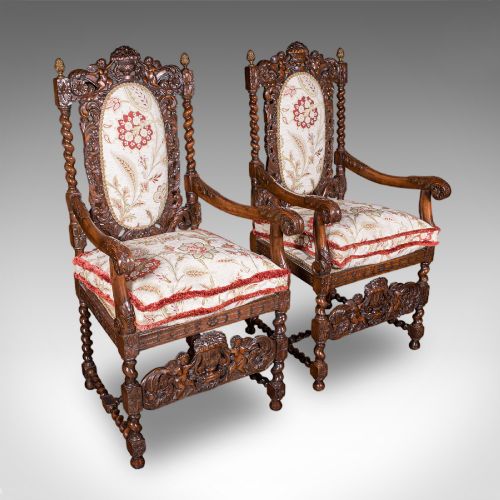
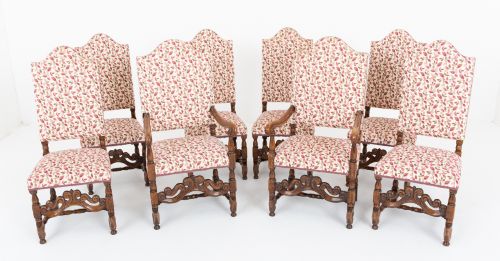
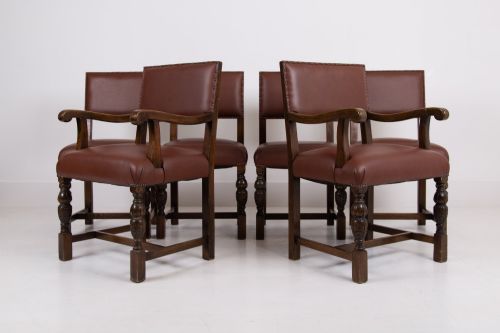
Dining chairs and sets of matched chairs appear frequently alongside larger hall seats and box settles. Buyers encounter forms ranging from simple joint stools to elaborate throne chairs adorned with carved woodwork.
The objects stem from periods including the Victorian era, the Edwardian decades, and the 1920s and 1930s. They bridge historical aesthetic desires with the functional seating needs of domestic interiors.
Materials and Construction Techniques
Oak dominates the structural framework of these pieces, complemented by occasional uses of walnut, rosewood, and brass hardware. Timber is frequently turned, carved, or assembled using traditional jointing methods.
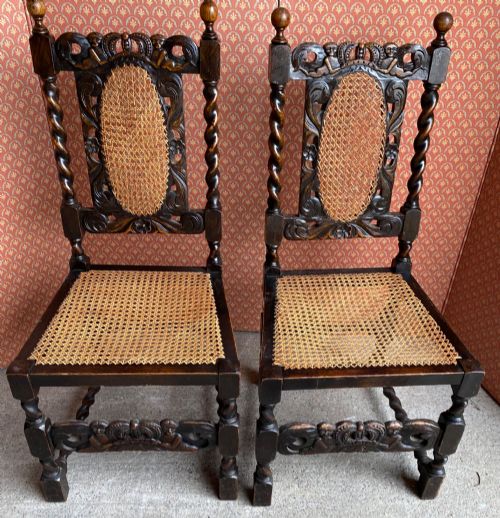
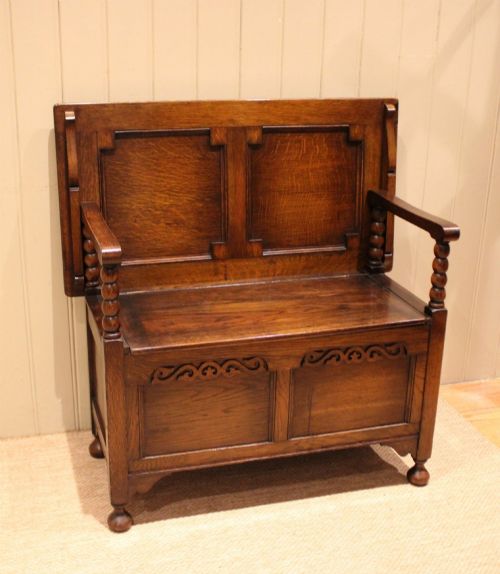
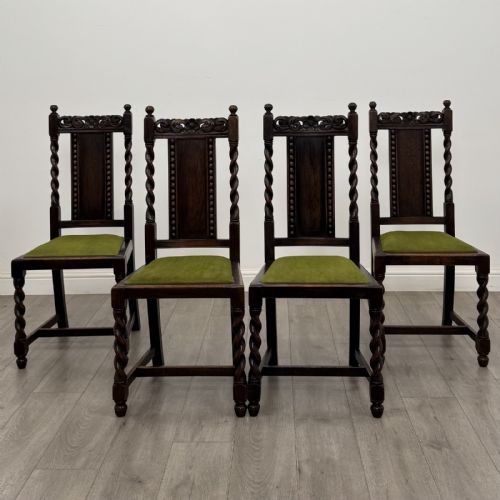
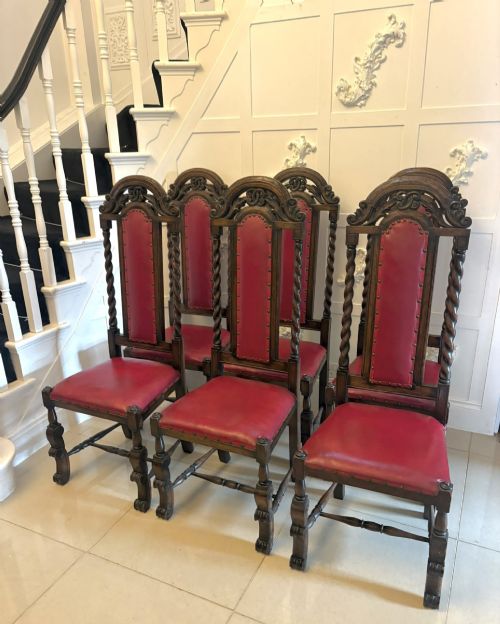
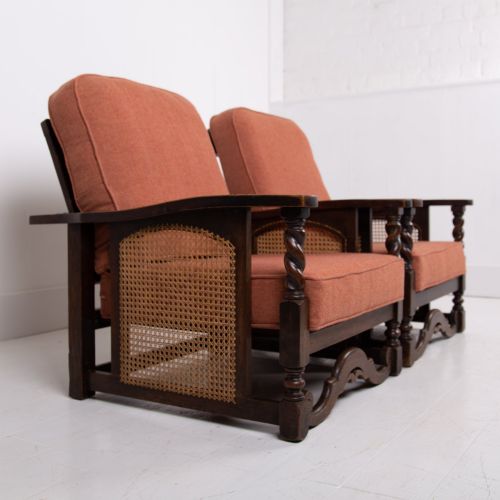
Upholstery incorporates fabric, leather, tapestry, and cane inserts to form the primary seating surfaces. Barley twist and bobbin framing techniques shape many of the legs, arms, and structural supports.
Jacobean Revival Seat Retail Price Guide 2026
Typical asking prices for jacobean revival seat among the pieces listed under this phrase on Sellingantiques today, from the lower quarter to the upper quarter. They describe what is for sale here now, not the wider market.
Green Man carvings peer out from heavy throne chairs, watching over the hallway with leafy expressions.
Evaluating the Seating
Depth and crispness of hand-carved ornamentation dictate the visual strength of individual examples. Pieces featuring robust joinery and heavier timber sections display superior structural integrity over lighter alternatives.
The integration of original or period-appropriate materials like leather, cane, and tapestry influences the overall authenticity. Consistency across large sets of dining chairs elevates the standing of matched groups.
The Jacobean Revival Seat Glossary
- Jacobean Revival
- A nineteenth and twentieth-century design movement mimicking the architectural and furniture styles of the early seventeenth-century reign of James I. It heavily relies on dark oak and geometric carving.
- Box Settle
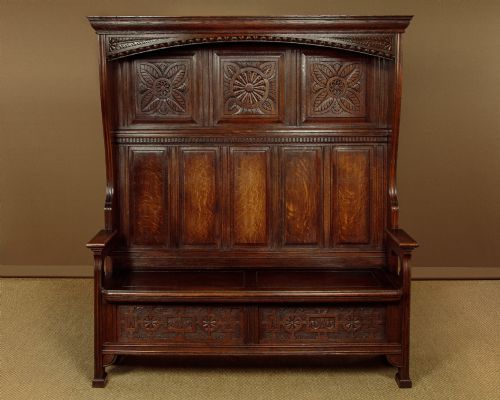
- A high-backed wooden bench featuring enclosed storage beneath the hinged seat. These items historically stood in drafty halls to retain warmth.
- Barley Twist
- A turned wooden furniture leg or stretcher shaped to resemble a spiralling rope or column. This technique is common on chairs and tables from this design period.
- Joint Stool
- A sturdy wooden stool constructed with mortise and tenon joints rather than turned legs driven into a seat. They served multiple domestic functions in historical households.
- Bergere
- An enclosed upholstered armchair featuring cane lattice work on the sides or back. The frame is typically constructed from exposed timber.
Jacobean Revival Seat: Frequently Asked Questions
Where did people place hall benches?
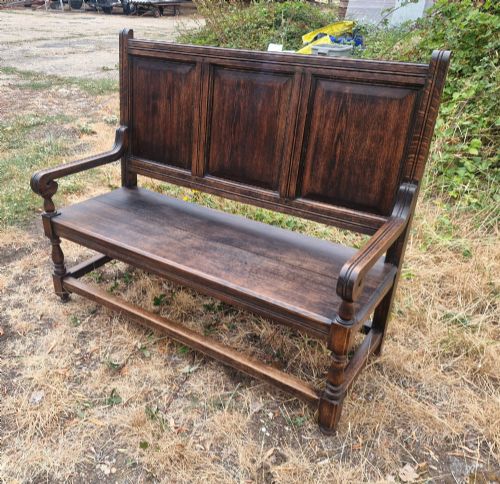
Hall benches and settles stood in entranceways and reception rooms of larger homes. They provided a place for visitors to sit while removing outer garments.
These pieces often included lift-up lids or enclosed boxes underneath to store household items and accessories.
How do I care for antique oak furniture?
Maintain antique oak surfaces by keeping them away from direct heat sources and fluctuating humidity levels. Regular dusting with a dry, soft cloth preserves the timber finish.
Avoid commercial polishes containing silicone, choosing natural waxes instead to nourish the dry wood grain.
What defines a Carolean revival piece?
Carolean revival furniture references the restoration period of Charles II, featuring ornate carving, cane panels, and scrolling woodwork. It forms a subset of the broader seventeenth-century style revivals.
These designs often include crown motifs and elaborate stretchers connecting the legs.
Can I use these chairs for daily dining?
Solid oak dining chairs provide robust structural support suitable for everyday seating around a table. Checking the stability of the joints ensures they withstand regular use.
Replacement of modern cushions or upholstery fabric often updates comfort while retaining the antique wooden frame.