



Jacobean Carved Oak Stool
A jacobean carved oak stool brings heavy timber and period joinery directly into a room, offering sturdy seating built to last centuries.
Jacobean Carved Oak Stool
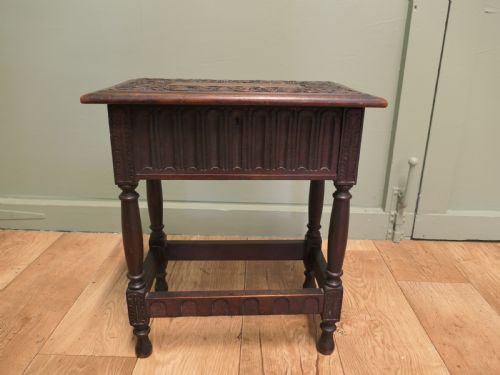
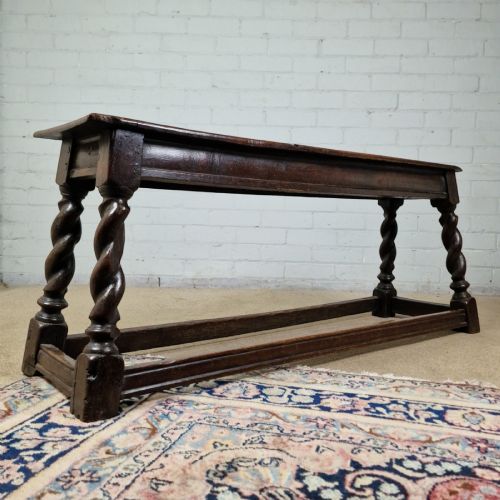
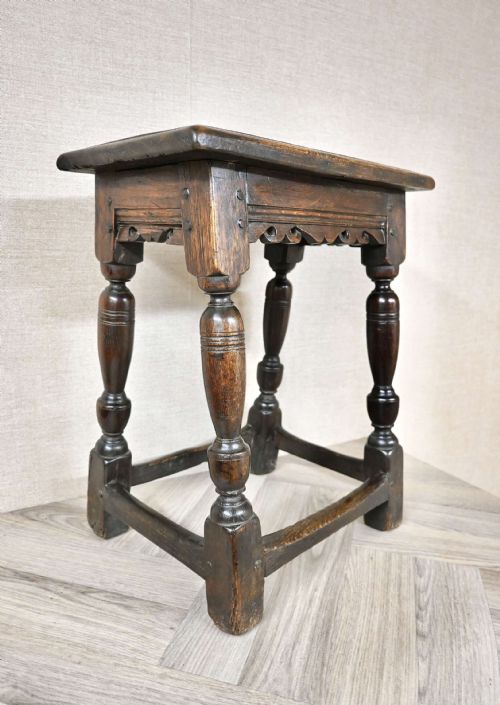
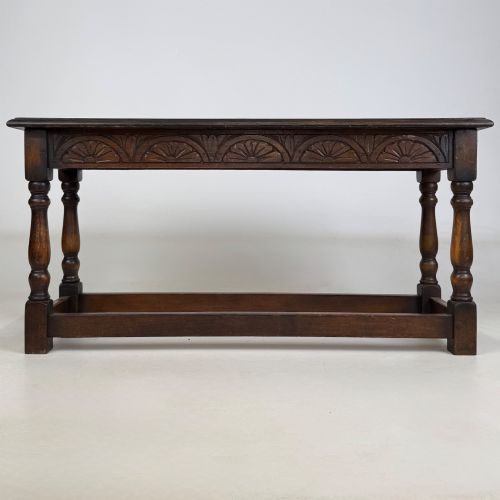
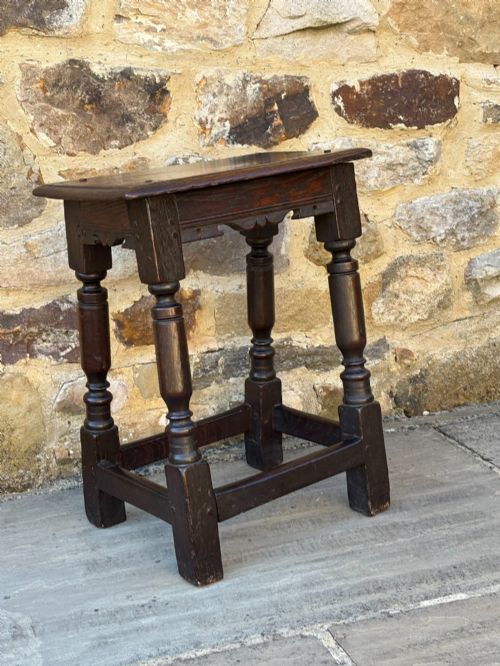
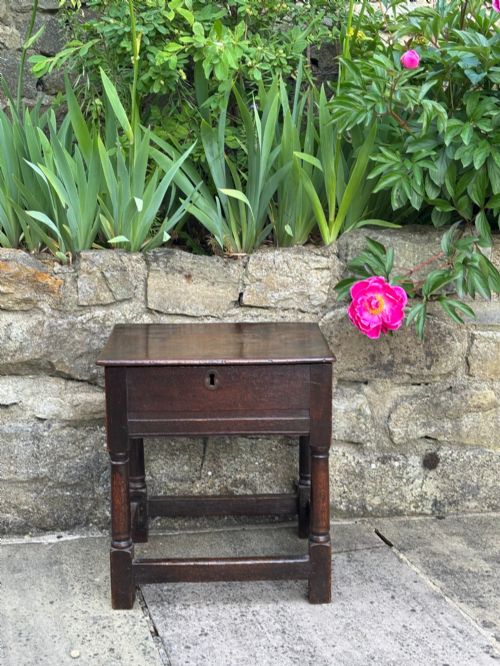
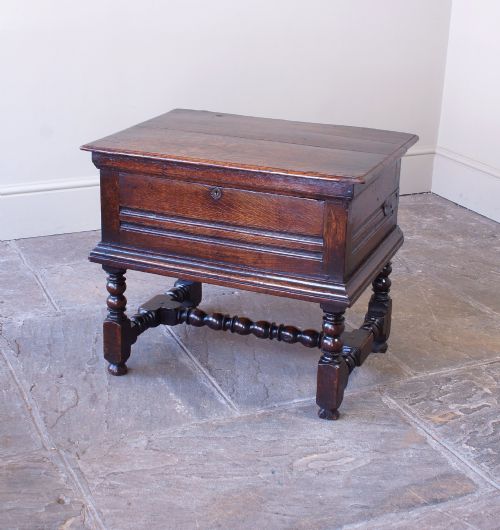
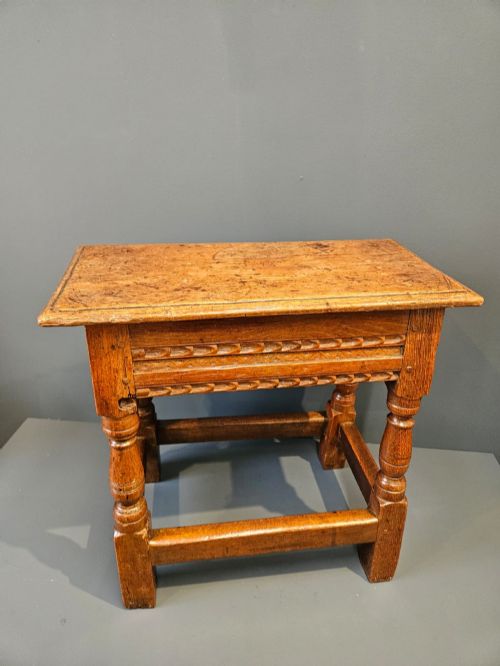
A jacobean carved oak stool typically appears as a joint stool or box stool originating from the seventeenth century or created later in revival styles. These pieces function as compact seating or occasional surfaces, often featuring rectangular tops supported by sturdy underframing.
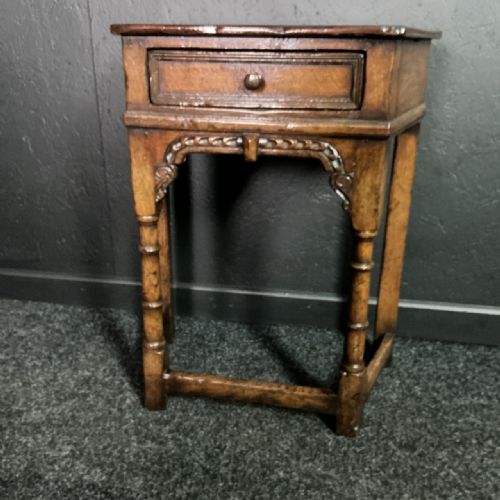
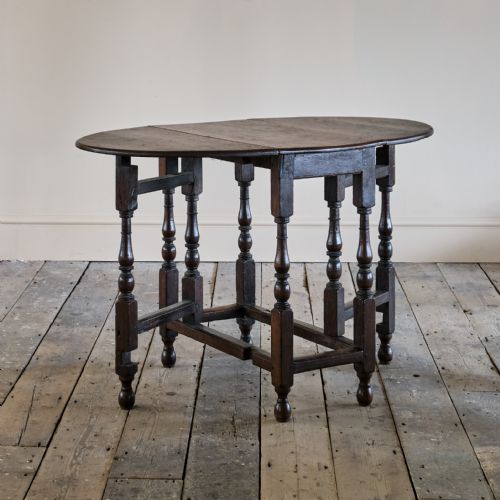
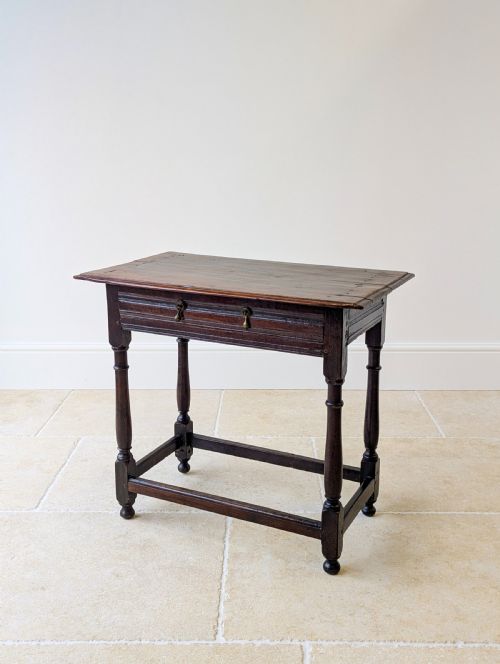
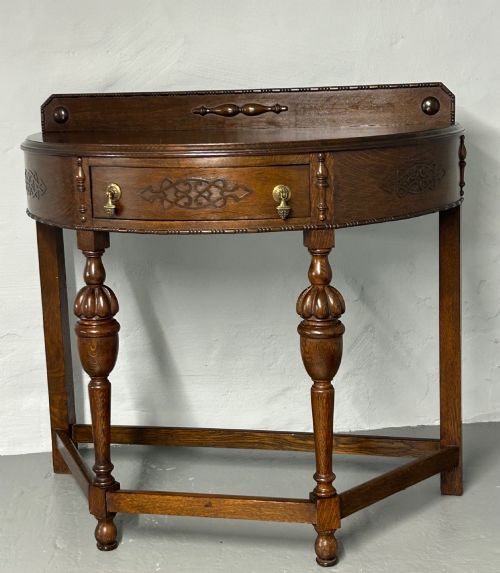
The selection ranges from authentic mid-seventeenth-century joined examples to nineteenth and twentieth-century revival interpretations. Buyers frequently encounter joint stools and box stools alongside occasional tables and small benches sharing the same heavy timber vocabulary.
What varies in quality
Quality rests upon the proportion of original timber remaining in the structure versus later replacement parts. Crispness of the hand carving and tightness of the pegged joints distinguish superior examples from plain or heavily restored pieces.
The integrity of the timber surface, including untouched patination and minimal structural alteration, separates standard pieces from the finest survivors. Early items retain the tool signatures and construction quirks characteristic of seventeenth-century workshops.
Listings span periods from the 17th century through the Georgian era to the 1930s, utilising oak, cane, brass, and tapestry upholstery.
The Jacobean Carved Oak Stool Glossary
- Joint stool
- A sturdy wooden stool constructed using pegged mortise and tenon joints rather than simple nailing. These pieces served diverse domestic purposes in early households.
- Box stool
- A seating form incorporating a lidded compartment beneath the top surface for storage. Such examples often double as close stools.
- Jacobean revival
- A nineteenth or twentieth-century design movement recreating seventeenth-century motifs and construction methods. Makers utilised oak to echo earlier styles.
- Joined back stool
- An early form of seating featuring a low wooden back integrated into the mortise and tenon frame. These sit between standard stools and full chairs.
Jacobean Carved Oak Stool: Frequently Asked Questions
How do I tell a seventeenth-century joint stool from a revival piece?
Authentic seventeenth-century pieces display natural timber shrinkage, genuine wear patterns around the footings, and tool marks consistent with early hand methods.
Revival pieces from the nineteenth or twentieth century often show machine-cut uniformity and timber seasoning that lacks deep-set historical patination.
Where should I place a jacobean carved oak stool in my home?
These compact oak pieces function effectively as side tables next to seating, or as standalone stools in hallways and bathrooms.
Their solid timber construction allows them to handle everyday use as occasional surfaces or low seating.
How do I care for antique oak furniture?
Maintain the wood by applying traditional beeswax sparingly and buffing with a soft cloth to protect the surface finish.
Keep oak pieces away from direct heat sources and radical humidity shifts to prevent timber splitting.