

Jacobean Armchair
A genuine jacobean armchair brings heavy timber and centuries of regional carving straight into a modern room.
Jacobean Armchair
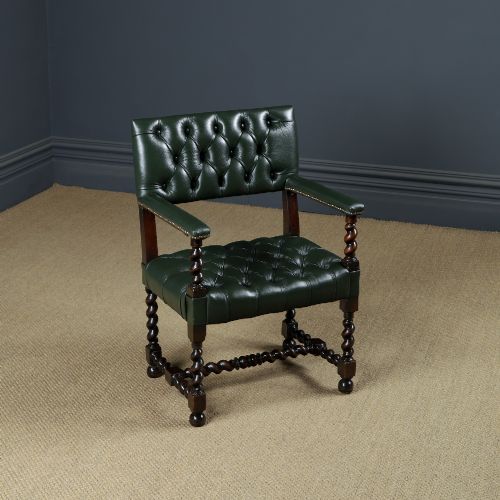
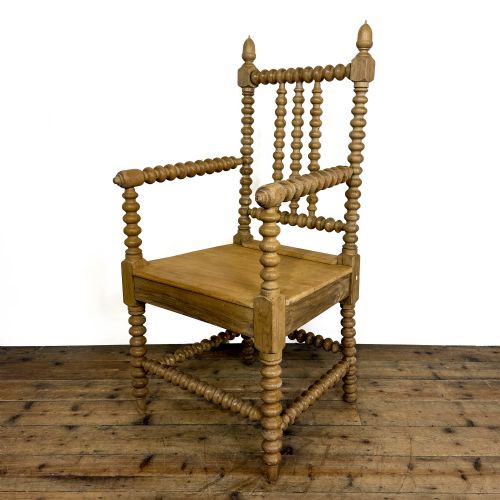
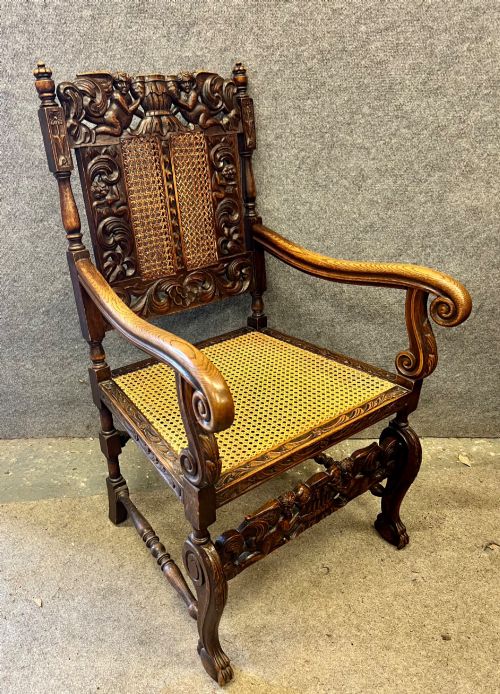
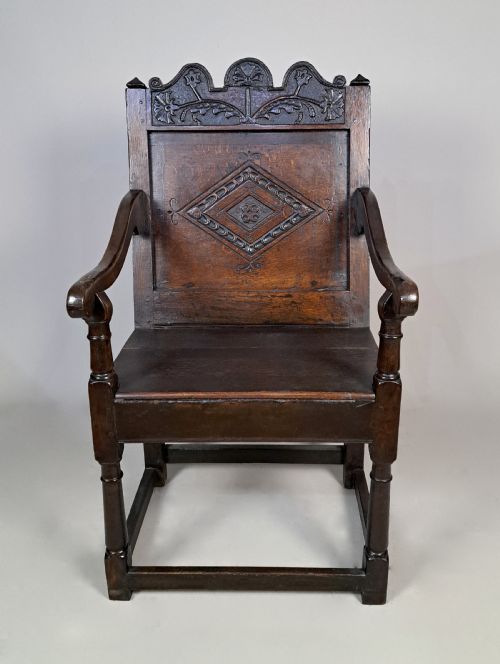
When you search for a jacobean armchair, you encounter solid timber seating spanning from the seventeenth century through to later revival periods. The listings include sturdy wainscot forms alongside nineteenth and twentieth-century revival pieces modelled after earlier centuries.
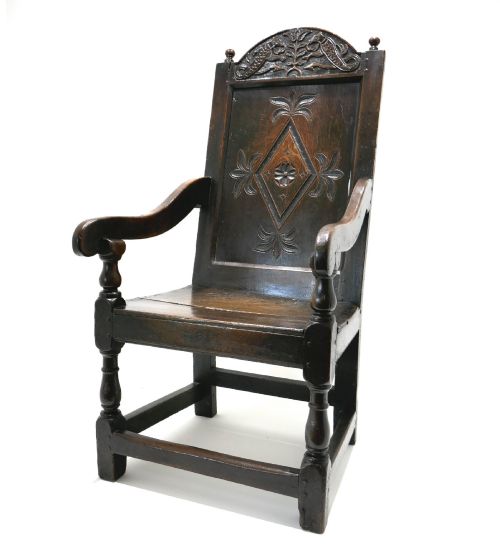
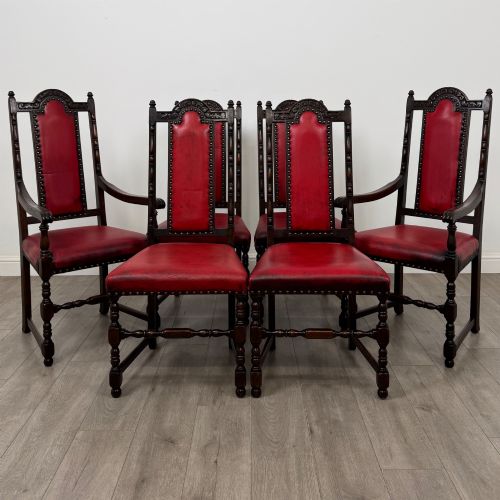
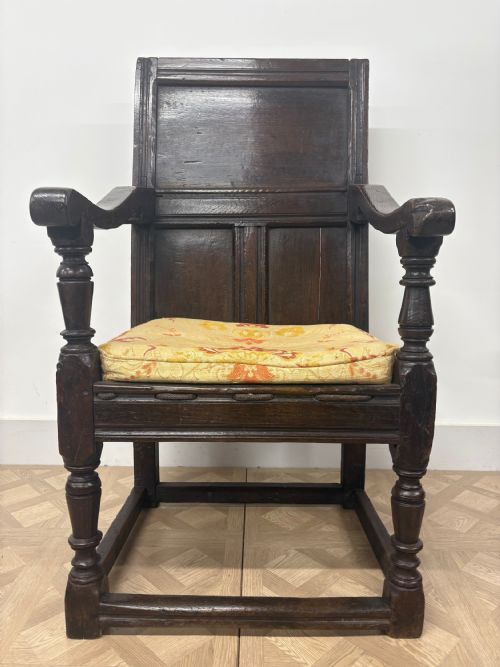
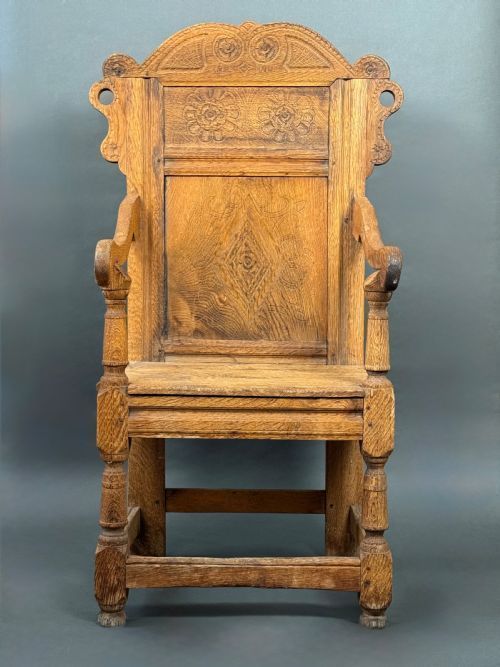
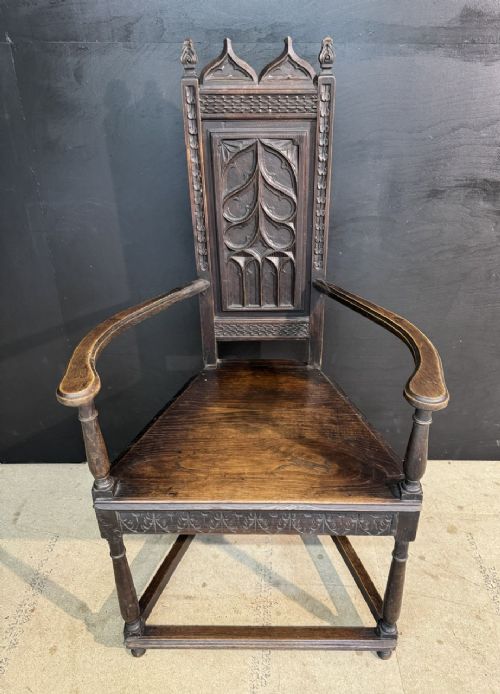
The most common examples you meet on this page are heavy oak wainscot chairs and revival carvers. These pieces demonstrate regional English characteristics, particularly from northern counties like Lancashire and Yorkshire, shaped by local joinery traditions.
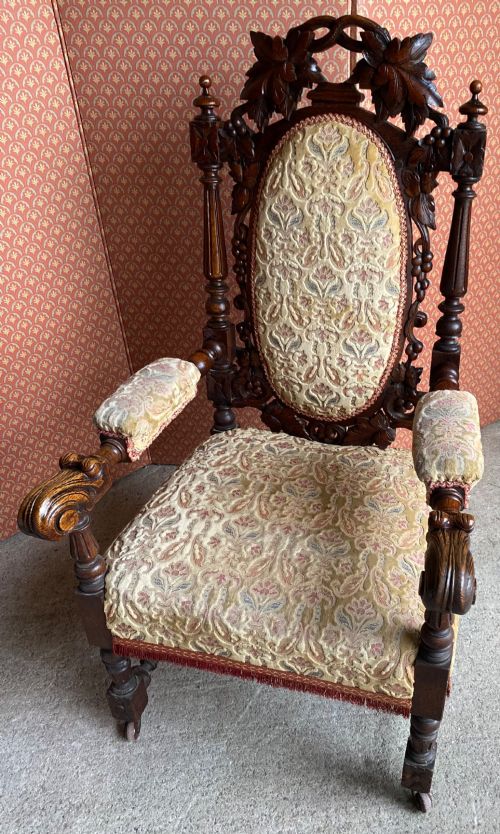
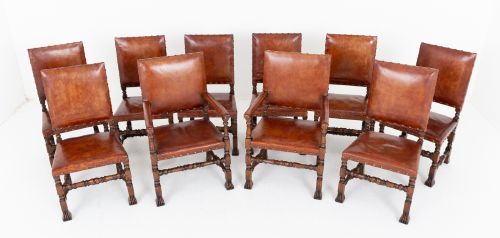
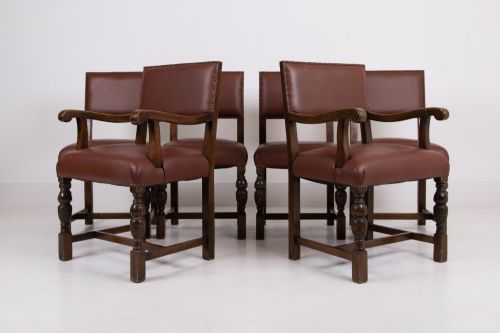
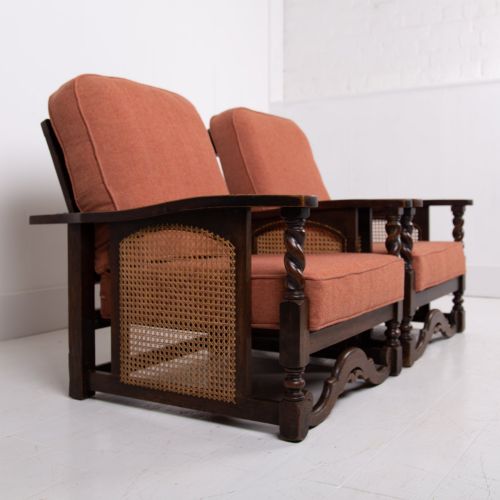
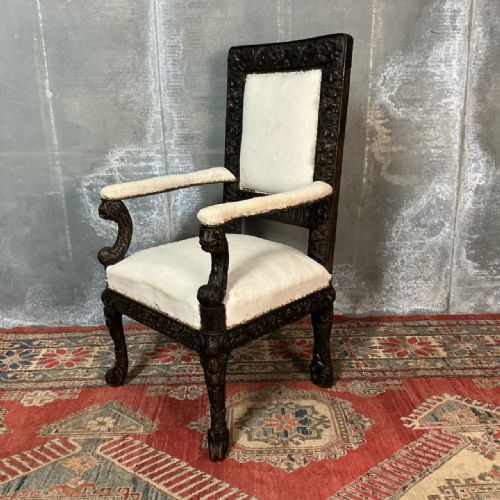
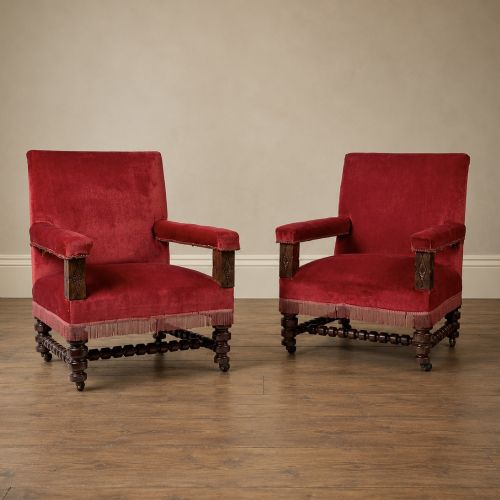
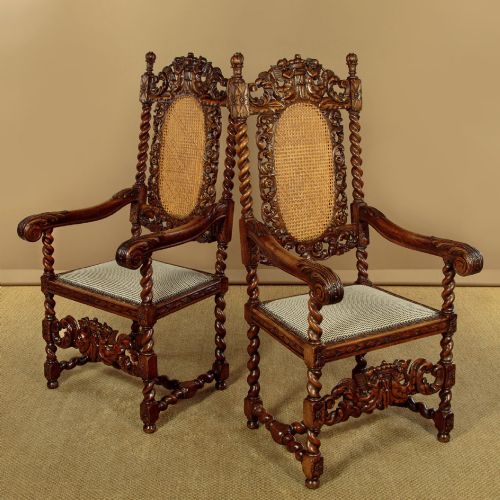
Beyond seventeenth-century originals, the selections incorporate Victorian, Edwardian, and twentieth-century interpretations. These revival chairs appropriate the turned legs, high backs, and carved panels of the original period for later domestic interiors.
How they were made
Joiners built these chairs using solid oak and walnut, constructing frames through pegged mortise and tenon joints rather than metal screws. This rigid joinery gives the furniture its enduring structural integrity.
Craftsmen enriched the timber surfaces with chip carving, scratch-work, and panel moulding, frequently combining these with cane seats or upholstered inserts in leather, velvet, and tapestry fabric.
Jacobean Armchair Retail Price Guide 2026
Typical asking prices for jacobean armchair among the pieces listed under this phrase on Sellingantiques today, from the lower quarter to the upper quarter. They describe what is for sale here now, not the wider market.
Listings span from seventeenth-century oak wainscot examples to twentieth-century revival pieces utilising cane, leather, and tapestry fabric.
What varies in quality
The distinction between ordinary and superior pieces rests on the crispness of the hand carving and the proportion of original timber retained. Regional originals display deeper relief work and more robust framing than mass-produced revival counterparts.
Surface patination and the integrity of the joined construction separate fine examples from heavily altered pieces. Chairs that retain their original boards and undisturbed timber surfaces command greater appreciation among collectors.
The Jacobean Armchair Glossary
- Wainscot chair
- A solid wooden armchair with a panelled back, constructed primarily from oak during the seventeenth century. These sturdy seats served as principal chairs in households.
- Carver
- An armchair designed to match a set of dining chairs, usually featuring arms and a taller back. They often stood at the heads of dining tables.
- Revival
- A nineteenth or twentieth-century design style that copies historical aesthetics, such as seventeenth-century oak furniture. These pieces reinterpreted older forms for contemporary Victorian and Edwardian homes.
- Joined construction
- A method of building furniture using interlocking wooden joints secured with wooden pegs. This technique avoided metal nails and allowed the timber to move naturally with humidity.
- Patina
- The surface sheen and colour developed by wood over centuries of handling, polishing, and exposure to light. A rich patina indicates age and continuous use.
Jacobean Armchair: Frequently Asked Questions
How do I identify a true seventeenth-century chair?
Examine the construction methods and the timber beneath the surface. Seventeenth-century originals rely on pegged joints and hand-riven oak boards that exhibit tool marks inconsistent with later machinery.
Look closely at the wear patterns around the arms and foot rails. Genuine period pieces show organic softening of the wood from generations of daily use.
Were these chairs used for dining?
Most heavy wainscot chairs served as principal seats for the head of the household rather than ordinary dining furniture. Later revival versions, however, were frequently made in sets specifically for dining rooms.
In seventeenth-century homes, a single wainscot chair stood by the hearth or at the head of the long table, denoting status.
How should I care for an antique oak chair?
Keep wooden chairs away from direct heat sources and dramatic humidity shifts to prevent the oak from splitting. Apply traditional beeswax occasionally to nourish the dry timber and maintain the surface finish.
Avoid modern liquid polishes that build up greasy residue. Gentle dusting with a dry cloth protects the historic patina.