





Italianate Landscape Artwork
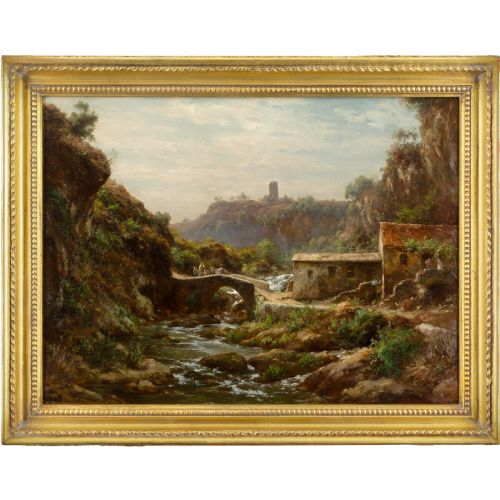
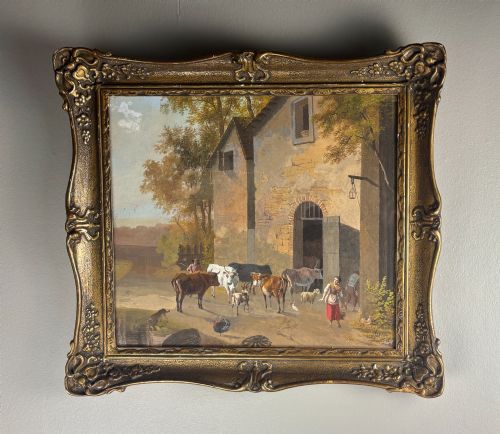
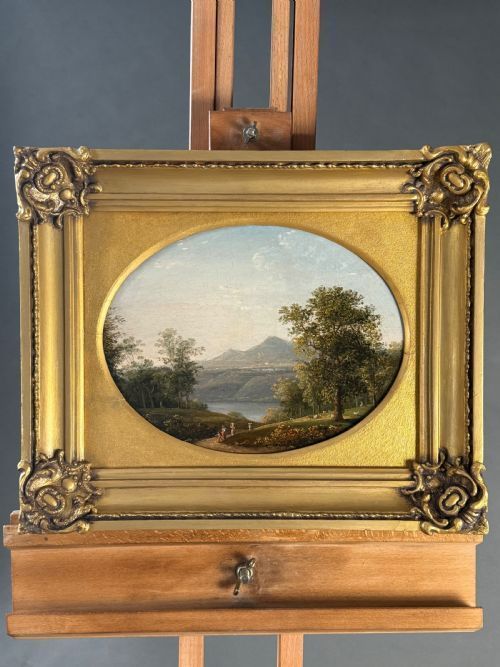
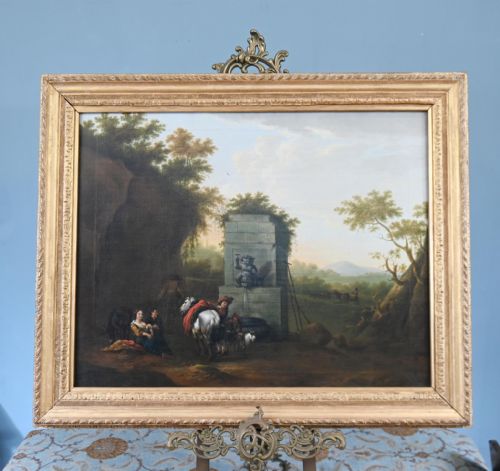
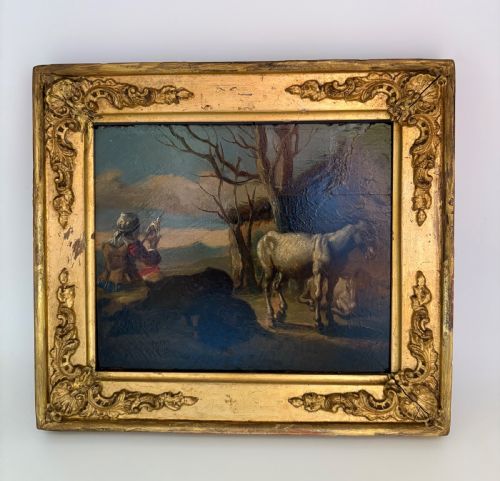
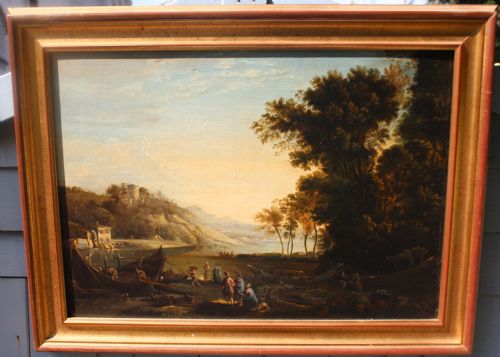
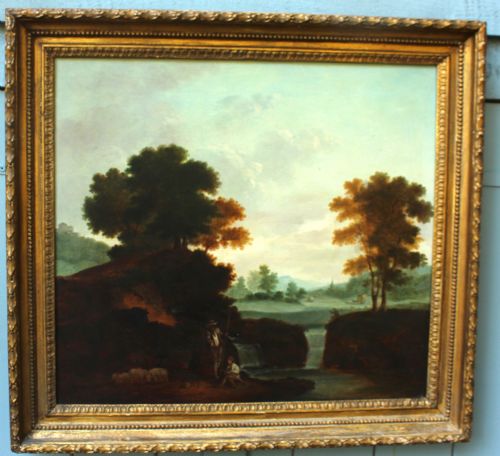
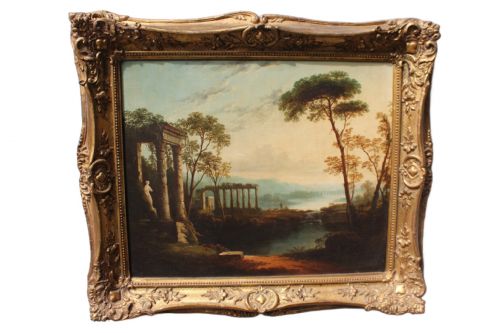
These italianate landscape artwork pieces bring sunlit classical ruins and pastoral idylls straight into the room.
Italianate Landscape Artwork
An italianate landscape artwork depicts idealised scenes filled with classical architecture, distant villas, and pastoral figures under luminous skies. Collectors seeking these compositions encounter works spanning from the seventeenth century through to the nineteenth century, reflecting enduring artistic fascination with southern light.
The material formats range from oil paintings on canvas and oak panels to delicate watercolour paintings on paper. Pieces often arrive housed within giltwood and gold leaf frames that enhance the warmth and luminosity of the painted views.
Many examples emerge from specific artistic circles or follow established masters, including works after Jan Miel or in the manner of Claude Lorrain. Others present attributed or signed visions from periods such as the Dutch Golden Age and the Victorian era.
Materials and Techniques
Artists built these compositions primarily using oil paint on canvas or wooden oak panels, applying layered pigments to achieve atmospheric depth and glowing light. Watercolour paint on paper served for lighter, more immediate studies produced during travels abroad.
Many works incorporate gold leaf within elaborate giltwood frames, designed to complement the sun-drenched pastoral scenes and elevate the visual presence of the wall art. These frames form an integral part of the physical survival and presentation of each piece.
Italianate Landscape Artwork Retail Price Guide 2026
Typical asking prices for italianate landscape artwork among the pieces listed under this phrase on Sellingantiques today, from the lower quarter to the upper quarter. They describe what is for sale here now, not the wider market.
Current listings span from the seventeenth to the nineteenth century, executed in oil and watercolour on canvas, panel, and paper.
Differentiating Quality
The distinction between standard works and exceptional examples rests upon the handling of light, shadow, and atmospheric perspective within the landscape. Superior paintings achieve a convincing sense of southern warmth and balanced composition, whereas lesser pieces can feel static or formulaic in their depiction of foliage and ruins.
The integration of figures and architecture within the natural setting dictates the artistic success of the composition. Stronger works demonstrate confident brushwork and harmonious colour palettes that unify the classical elements with the surrounding countryside.
Jacob Philipp Hackert·Cornelis Van Poelenburgh·Philipp Peter Roos·Richard Wilson·Thomas Jones·William Crouch·Peter de Wint
The Italianate Landscape Artwork Glossary
- Grand Tour
- A traditional trip through Europe undertaken by upper-class young European men of means in the seventeenth, eighteenth, and nineteenth centuries to absorb classical culture and acquire art.
- Giltwood
- Wood that has been covered with a thin layer of gold leaf or powder, frequently seen on ornate antique picture frames.
- Oil on Oak Panel
- A traditional painting support using a prepared wooden board rather than canvas, common in earlier European painting traditions.
- Pastoral
- A genre of art depicting the idealised rural lives of shepherds, figures, and animals in harmonious natural surroundings.
Italianate Landscape Artwork: Frequently Asked Questions
What is an italianate landscape artwork?
These works are paintings and watercolours depicting idealised European countryside scenes, typically featuring classical ruins, distant villas, and pastoral figures.
They capture the romanticised light and scenery associated with Italy, inspired by centuries of artistic tradition.
How do I date these paintings?
Dating relies on stylistic evidence, the type of support material such as canvas or oak panels, and framing conventions.
Paintings from the seventeenth and eighteenth centuries often reflect classical academic traditions, whilst nineteenth-century examples may show Victorian watercolour techniques.
Where should I hang these?
These works suit traditional living spaces, libraries, or studies where their warm tones and classical themes can be appreciated at eye level.
Direct sunlight should be avoided to protect both the oil or watercolour pigments and the antique giltwood frames.
What frames are appropriate?
Many pieces retain period giltwood frames finished with gold leaf, which were chosen to complement the luminous quality of the art.
Retaining original frames helps preserve the historical integrity and visual harmony of the piece.