





Italian Wooden Mirror
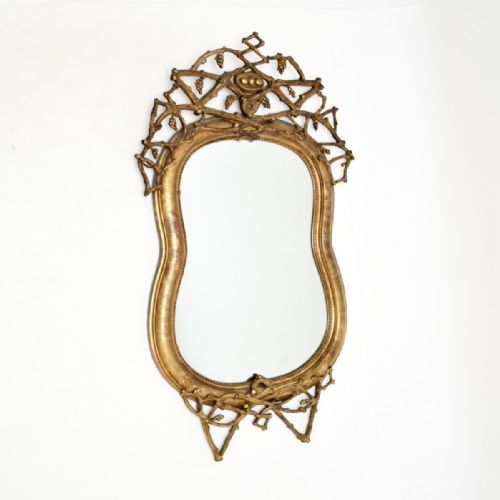
An italian wooden mirror brings warmth and centuries of craftsmanship into a room, spanning rustic fruitwood and grand gilded forms.
Italian Wooden Mirror
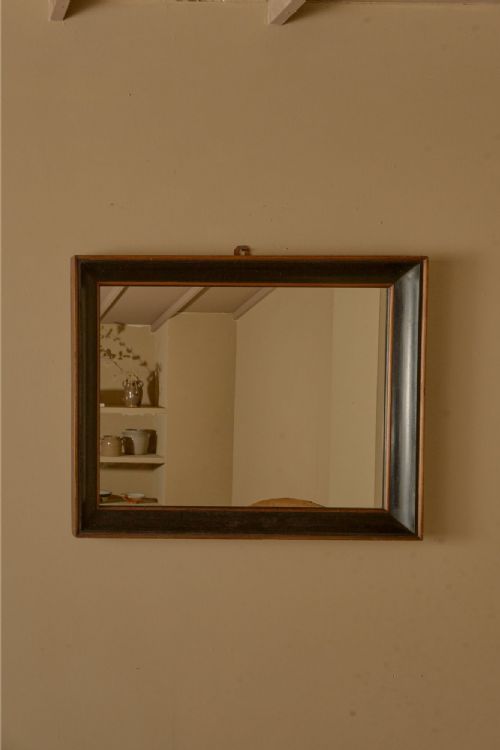
An italian wooden mirror spans practical wall hangings, dressing table accessories and decorative frames created across several centuries. Buyers searching for an italian wooden mirror encounter diverse expressions ranging from simple painted surfaces to deeply carved ornamental pieces.
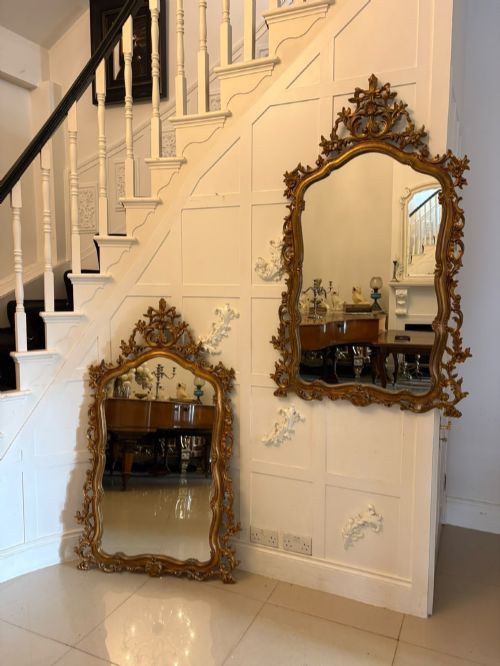
The selection here draws primarily from nineteenth and twentieth-century examples alongside eighteenth-century works. Forms include carved wall mirrors, pier glasses, reliquary designs and folding travel pieces from Sorrento.
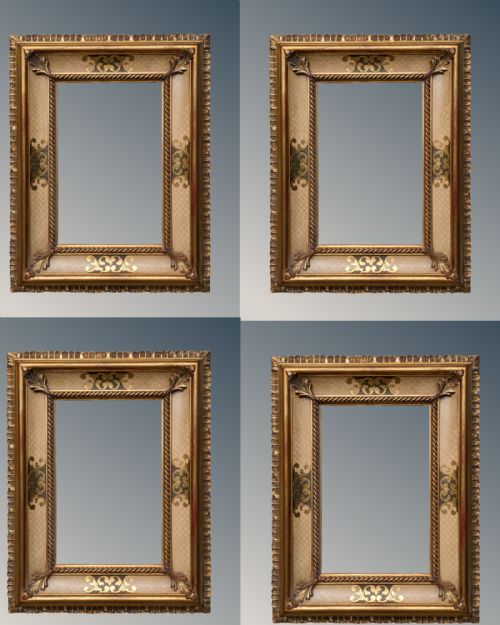
Regional styles dominate the selection, highlighting Florentine craftsmanship, Venetian rococo flourishes and baroque influences. These objects combine utility with classical decorative traditions native to Italian workshops.
How they were made
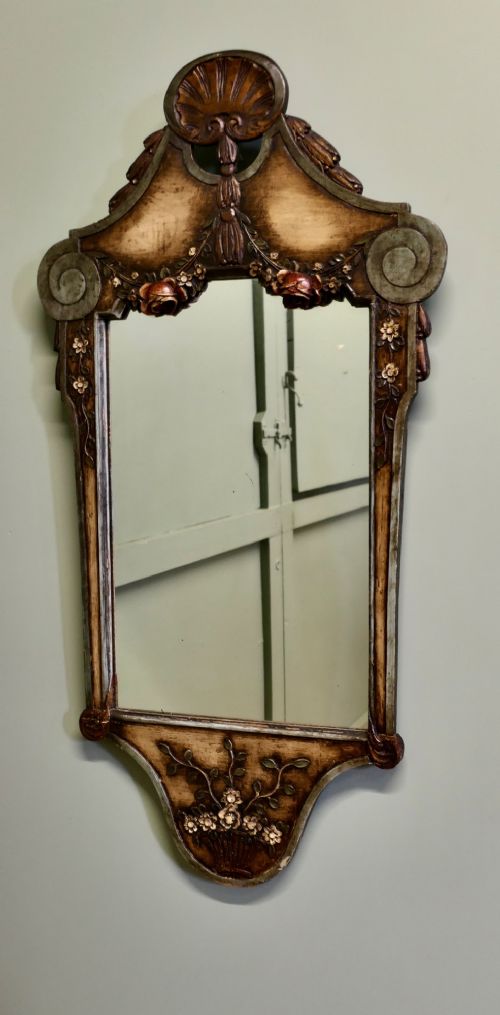
Makers utilised native and regional timbers including walnut, limewood, olive wood and fruitwood as structural bases for carving and inlay. Craftsmen shaped these woods by hand, creating intricate floral motifs, fruiting vines and scrolling architectural borders.
Surfaces frequently received layers of gesso and gold leaf or silver-leaf to achieve traditional gilded finishes. Other examples rely on hand-painted details or natural wood grains polished to display the character of the material.
Italian Wooden Mirror Retail Price Guide 2026
Typical asking prices for italian wooden mirror among the pieces listed under this phrase on Sellingantiques today, from the lower quarter to the upper quarter. They describe what is for sale here now, not the wider market.
The documented periods span from the eighteenth century through the Victorian era and into the early nineteen-thirties.
What varies in quality
The depth and crispness of the hand carving separate standard frames from superior examples. Skilled carvers achieved high relief and delicate undercut details in limewood and fruitwood that lesser pieces lack.
The application and preservation of the original gold leaf, silver-leaf or gesso dictate the visual richness of the surface. Original mirror glass plates, whether engraved or plain, also contribute to the integrity of the piece.
The Italian Wooden Mirror Glossary
- Giltwood
- Wood that has been coated with gold leaf over a prepared gesso ground. This technique provides a luminous metallic finish characteristic of baroque and rococo frames.
- Gesso
- A plaster-like mixture applied to wood surfaces to create a smooth base for gilding and fine carving. It allows craftsmen to impress sharp details before applying gold leaf.
- Reliquary mirror
- A devotional mirror incorporating sacred motifs such as a flaming heart, often associated with religious spaces. These pieces merge practical reflective glass with spiritual symbolism.
- Pier glass
- A tall mirror designed to hang on the wall between windows, frequently paired with a console table below. They expanded light and visual space in nineteenth-century interiors.
- Venetian rococo
- A decorative style known for asymmetrical scrolls, flowing organic lines and extravagant ornamentation. Venetian makers applied these theatrical forms to mirrors and console tables.
Italian Wooden Mirror: Frequently Asked Questions
Where should I hang an italian wooden mirror?
These mirrors suit hallways, living rooms and bedrooms where their carved frames act as focal points. Positioning them opposite a window helps maximise natural light in the space.
Ensure the wall structure can support heavier giltwood or carved frames securely. Lighter folding or table mirrors find a natural home on dressing tables and chests of drawers.
How do I care for a giltwood frame?
Dust the carved surfaces gently with a soft, dry brush to prevent accumulation in the crevices. Avoid chemical polishes and water, which can damage delicate gesso and gold leaf layers.
Keep the mirror away from direct sunlight and damp environments to protect the antique wood and reflective plate.
Are these mirrors original antiques?
The selection includes pieces originating from the eighteenth, nineteenth and early twentieth centuries. Each listing notes the specific period associated with the construction and style of the object.
Materials such as hand-carved fruitwood, limewood and traditional silver-leaf reflect the historical periods from which they emerge.
What is a Sorrento folding travel mirror?
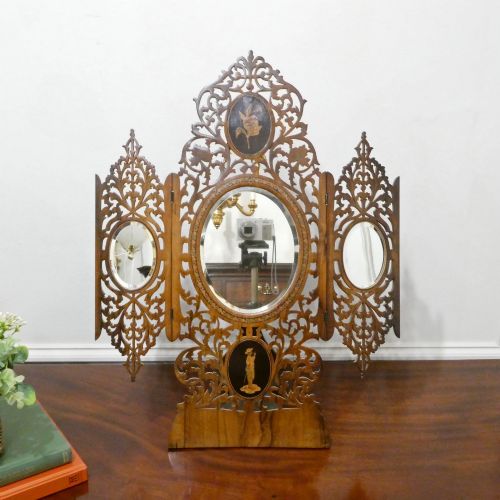
Sorrento mirrors originate from a coastal Italian town renowned for intricate wood inlay and marquetry techniques. Travellers used these compact folding pieces during nineteenth-century journeys.
They feature decorative olive wood or walnut exteriors that open to reveal a functional mirror for personal grooming.