


Italian Wood Table
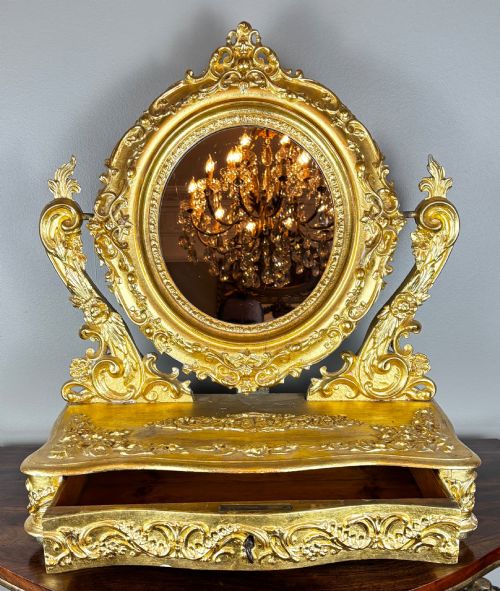
An italian wood table brings carved surfaces, marble tops and gilt finishes directly from domestic interiors into your room.
Italian Wood Table
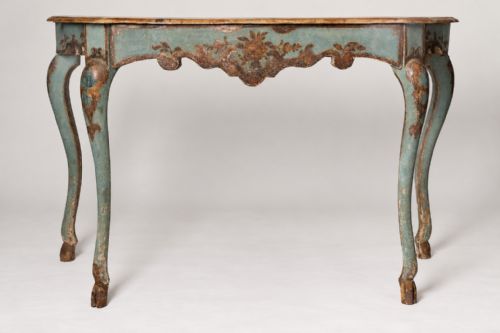
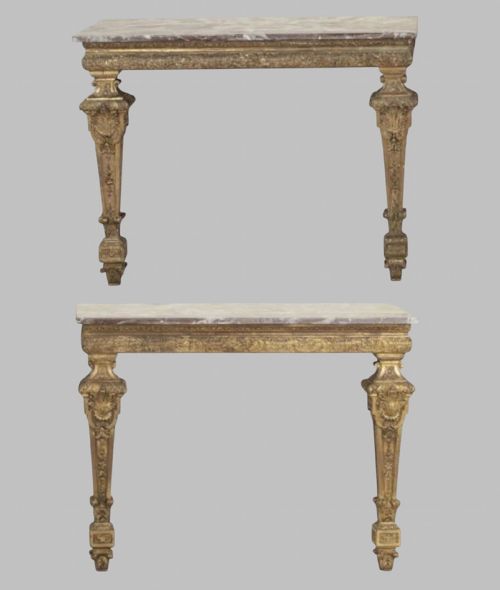
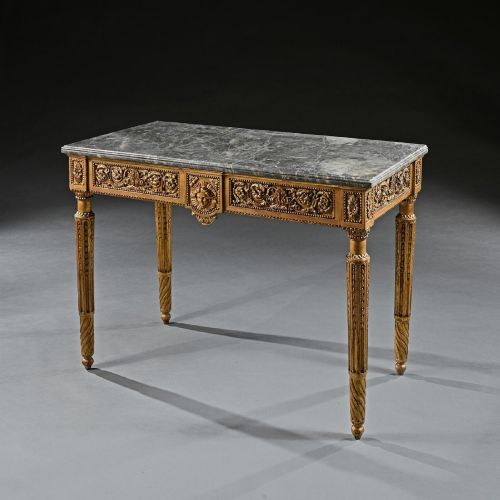
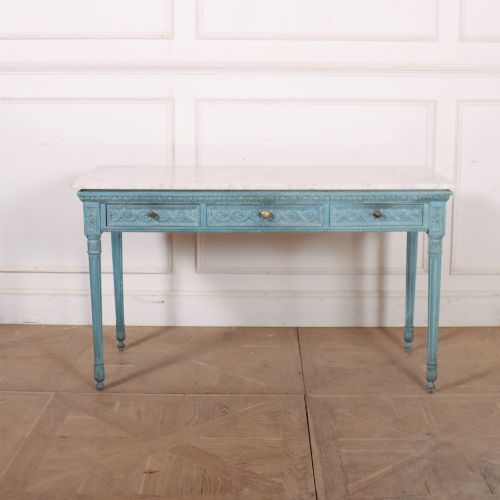
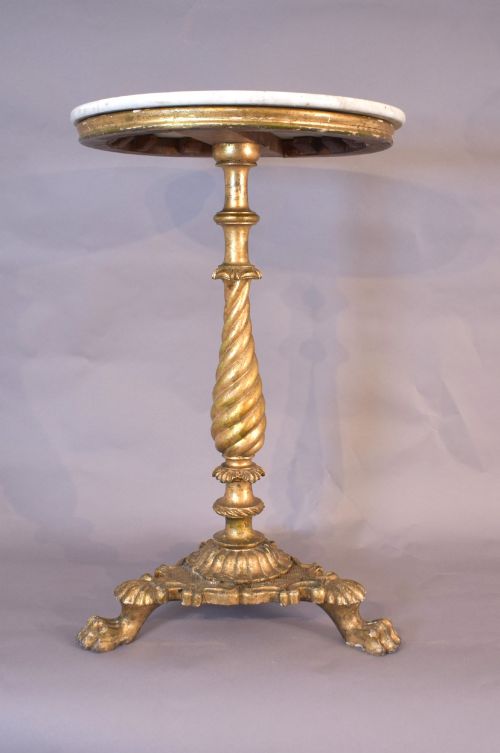
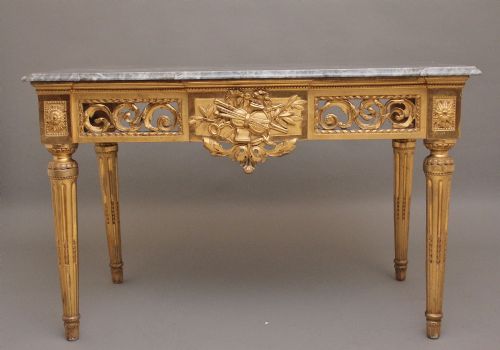
When you search for an italian wood table, you encounter console tables, side pieces and occasional forms produced across the eighteenth and nineteenth centuries. Console tables paired with shaped marble tops dominate the selection, often reflecting Baroque, Rococo or Neoclassical impulses from regional centres like Venice and Genoa.
Makers and workshops utilised native and imported timbers, shaping them into centre tables, coffee tables and smaller stands that display regional carving traditions. These pieces range from grand giltwood furniture designed for formal reception rooms to painted and polished walnut tables intended for domestic utility.
Materials and Technique
Craftsmen built these tables using solid woods such as walnut, pine, lime and mahogany, frequently applying gesso and gold leaf to create high-relief carved decoration. Surfaces often feature applied polychrome paint, silver gilt or ebonised finishes that give the wood a rich, reflective presence.
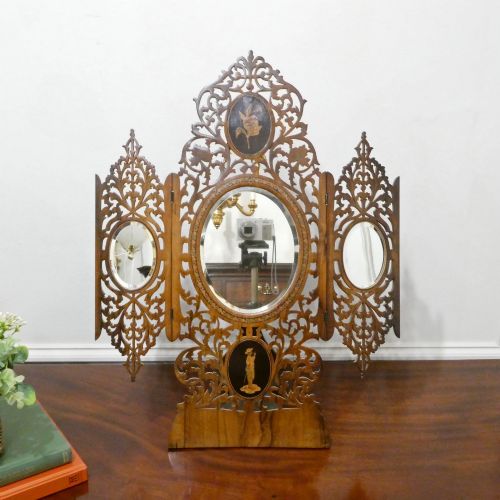
Many examples incorporate inset stone tops, utilising rouge, breccia or onyx marble, alongside intricate marquetry and bone inlay found in specific regional pieces. Carving executed directly into the timber provides the structural detail and ornate borders characteristic of Italian joinery.
Italian Wood Table Retail Price Guide 2026
Typical asking prices for italian wood table among the pieces listed under this phrase on Sellingantiques today, from the lower quarter to the upper quarter. They describe what is for sale here now, not the wider market.
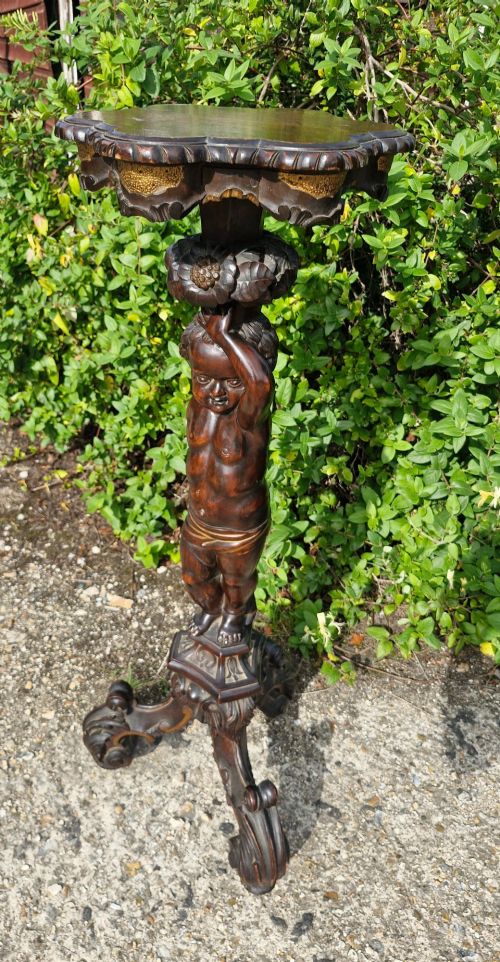
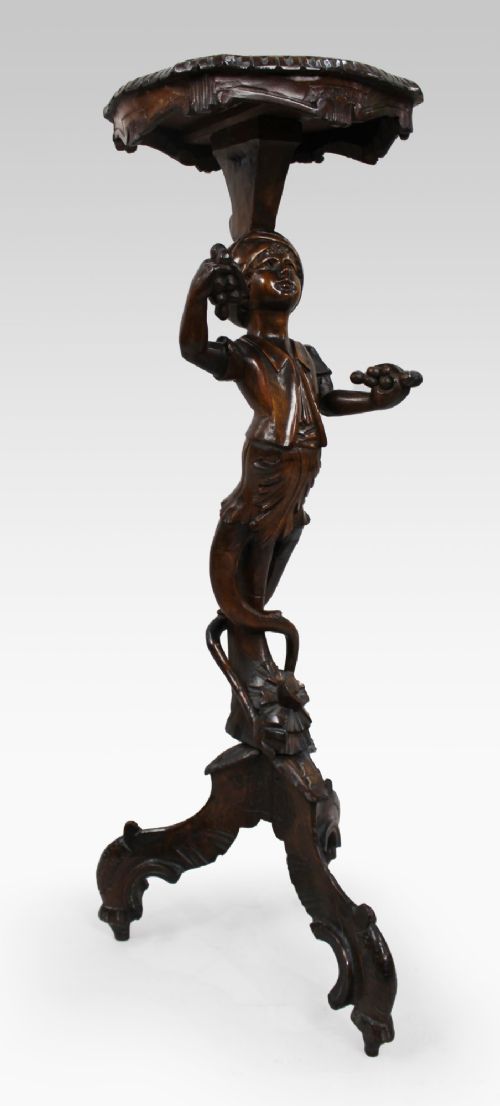
Blackamoor figures occasionally hold up tabletops, bringing theatrical nineteenth-century drama straight into the hallway.
The Distinction of Execution
Quality rests entirely in the depth and crispness of the carving, distinguishing tables with sharply defined acanthus leaves and figural supports from softer, mechanically run mouldings. The articulation of the wooden frame determines whether a piece maintains its architectural integrity over centuries.
The integration of the top into the base also sets finer work apart, particularly where heavy marble slabs or delicate pietra dura panels sit flush within carved wooden rebates. Superior examples display balanced proportions and cohesive gilding or paint application that unifies the timber structure with its decorative surface.
Amleto Bertoni·Harrods
The Italian Wood Table Glossary
- Giltwood
- Wood that has been coated with a thin layer of gold leaf over a prepared gesso ground. This technique creates a luminous, reflective surface frequently applied to eighteenth-century console tables.
- Console table
- A wall-mounted or freestanding table designed to stand against a vertical surface, usually topped with marble. These pieces frequently form the focal point of formal reception rooms.
- Pietra dura
- An inlay technique using cut and fitted polished coloured stones to create geometric or pictorial images. It appears on the tops of select ebonised wooden tables.
- Gesso
- A plaster-like mixture applied to wood surfaces to provide a smooth base for gilding and paint. It allows carvers to achieve sharp relief details before applying gold leaf.
- Marquetry
- The art of applying pieces of veneer to a structure to form decorative patterns. Italian makers utilised this technique on occasional and centre tables.
Italian Wood Table: Frequently Asked Questions
How do I style an antique console table?
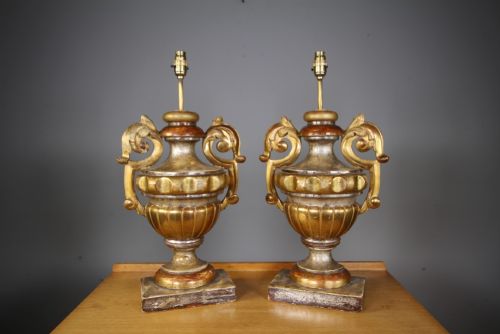
Place the table flat against a primary wall in a hallway or living space to anchor the room visually. Pair it with a matching wall mirror or lamp to balance the vertical scale.
Keep decorative objects minimal on the marble or wooden surface to let the carved framework remain the visual focus. Ensure the piece is secured to the wall if it relies on front legs for support.
Are these tables suitable for everyday use?
Many of these pieces served practical functions as writing desks, side tables or serving surfaces in historic interiors. Their robust wooden construction accommodates daily placement of lamps and decorative items.
Protect polished timber and marble tops from moisture and direct heat by using coasters and mats. Regular dusting maintains the integrity of the giltwood and painted surfaces.
How do I distinguish eighteenth and nineteenth-century styles?
Eighteenth-century examples often exhibit restrained Neoclassical symmetry or fluid Baroque and Rococo curves with hand-carved giltwood details. Walnut side tables from this period prioritise structural timber grain alongside carved ornaments.
Nineteenth-century revival pieces frequently display heavier proportions, incorporating monumental lion's paw supports and darker ebonised or mahogany finishes. Regional variations, such as Venetian painted decoration, persist across both eras.
What is grotto work furniture?
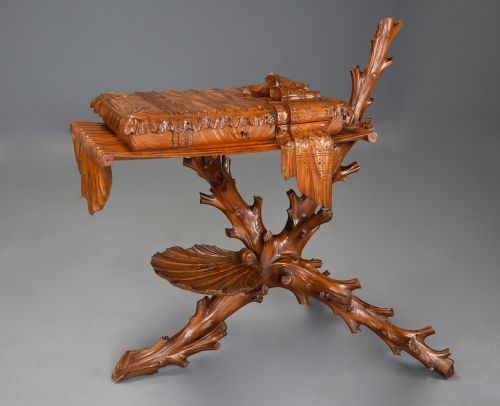
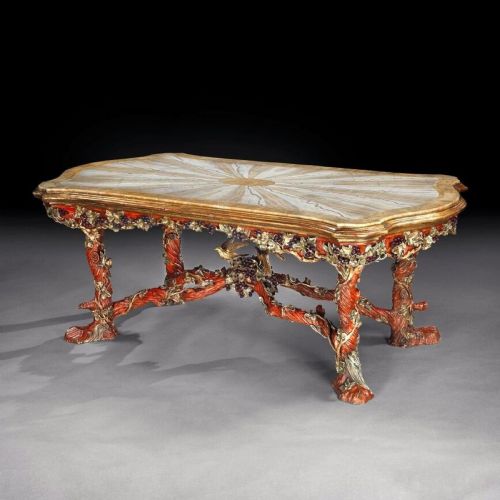
Grotto work furniture incorporates naturalistic motifs inspired by marine and garden themes, such as shells, coral and rustic branches. Artisans carved these elements directly into pine and other woods during the nineteenth century.
These whimsical pieces often feature heavily textured surfaces finished with gold leaf or polychrome paint. They function as dramatic accent tables within eclectic interior schemes.