
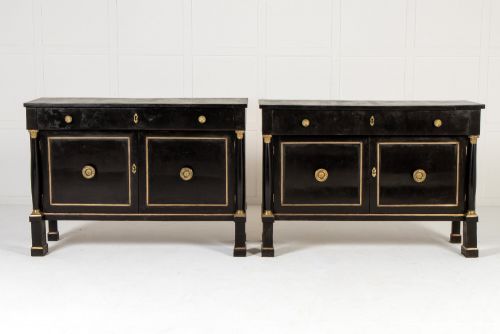
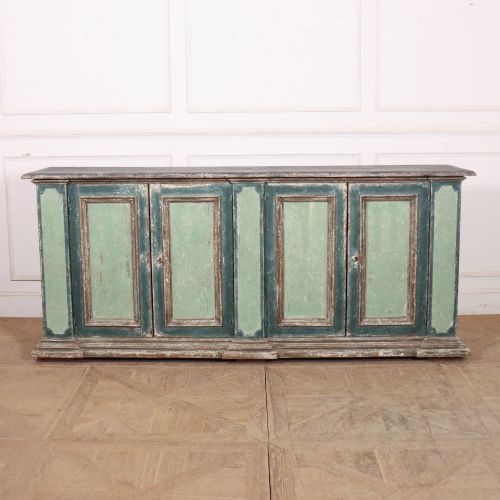

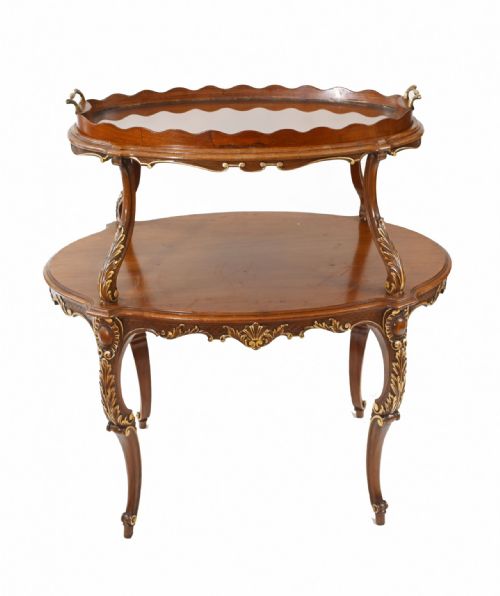
Italian Wood Furniture
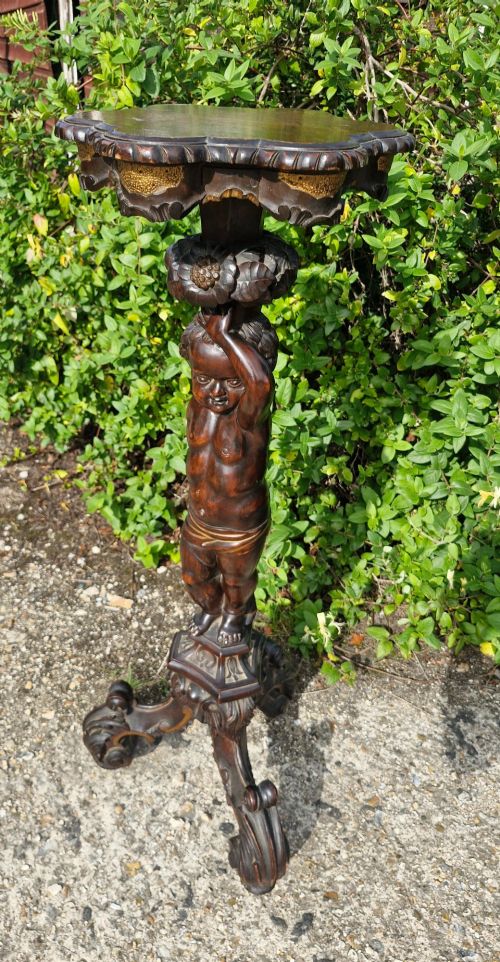
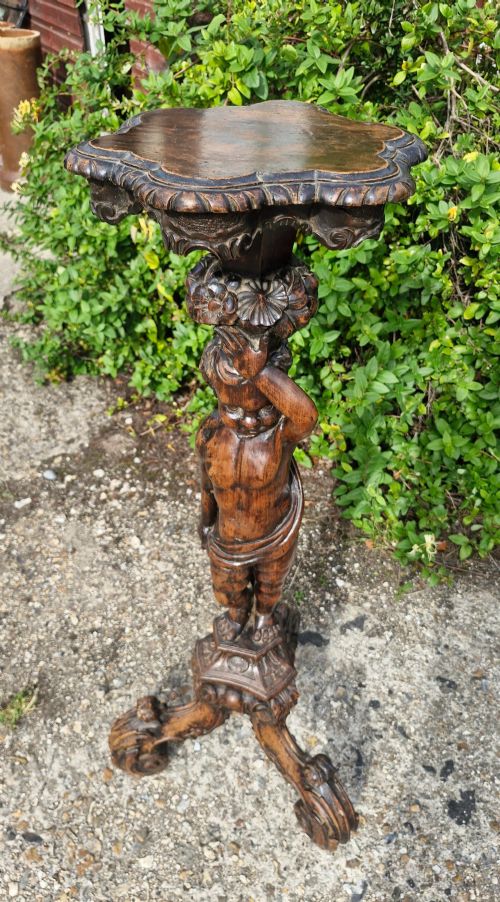
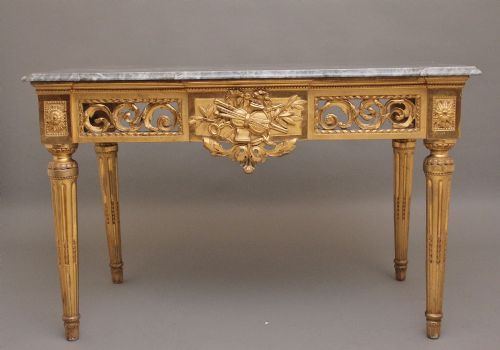
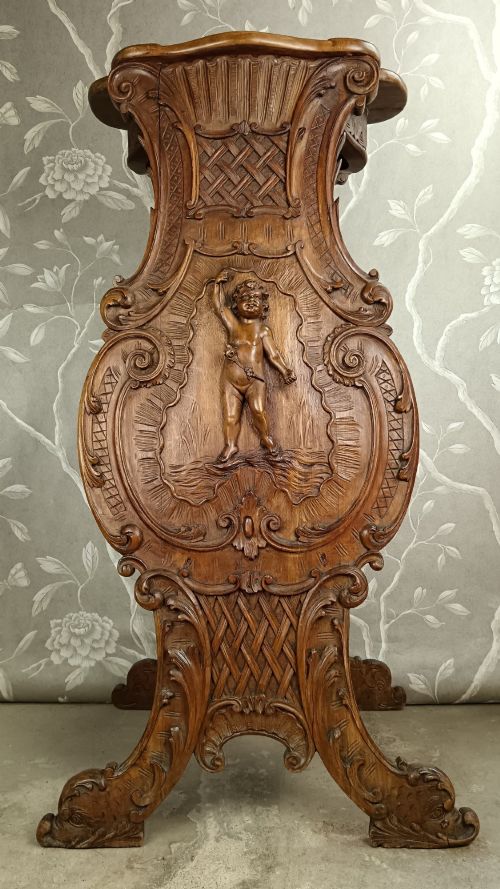
These Italian wood furniture pieces bring carved walnut, giltwood, and painted surfaces into a room.
Italian Wood Furniture
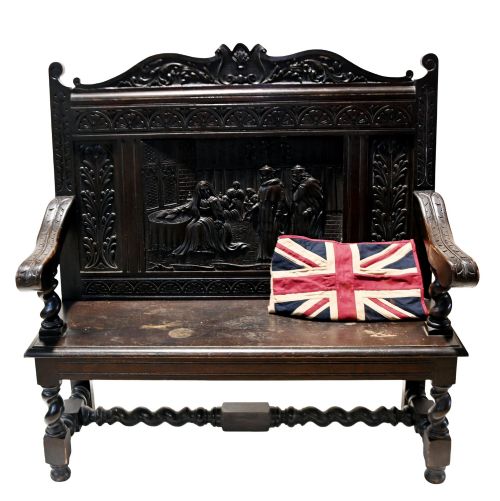
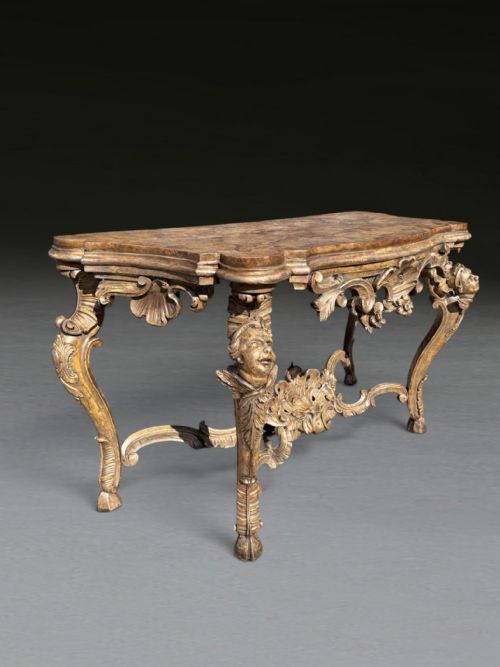
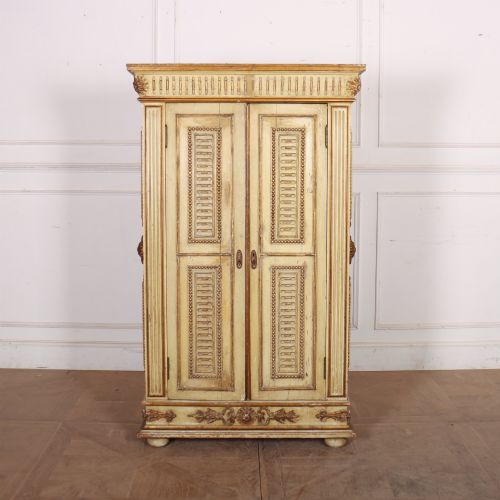
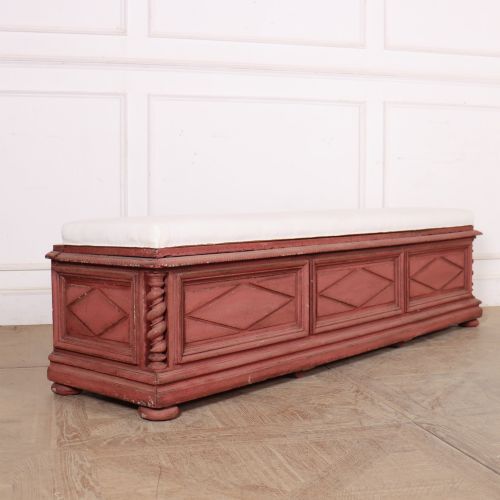
Italian wood furniture spans console tables, chests of drawers, cabinets, and seating from the eighteenth and nineteenth centuries. Buyers encounter ornate console tables, painted commodes, and carved stands reflecting regional workshops.
Venetian and provincial pieces dominate the selection, often finished with painted decoration, gilding, or intricate marquetry. Forms range from monumental Baroque tables to smaller occasional stands and hall chairs.
How they were made
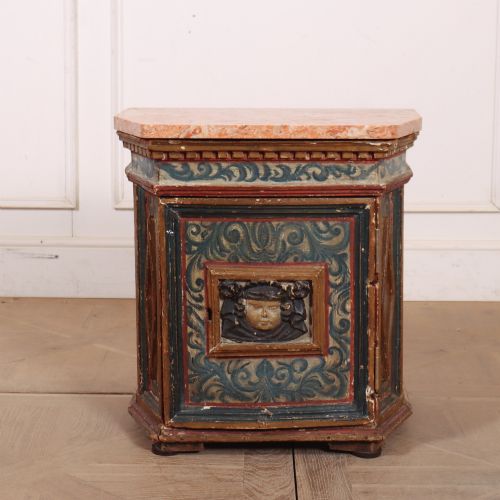
Construction relies heavily on walnut, oak, and pine, shaped through detailed hand carving and joinery. Surfaces receive gesso, gold leaf, silvering, or polychrome paint, frequently paired with marble tops.
Inlay techniques utilise olive wood and assorted timbers to create geometric or pictorial motifs on tabletops and corners. Structural elements incorporate turning, ebonising, and parcel gilt accents.
Listings feature walnut, giltwood, and painted finishes across console tables, commodes, and stands dating from the eighteenth century onwards.
What varies in quality
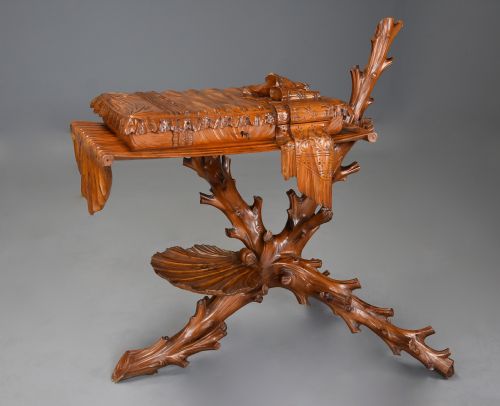
Depth and precision of the hand carving separate simpler utility items from grand salon pieces. Relief work on consoles and stands shows varying degrees of sculptural competence.
Originality of the painted or gilded surface dictates distinction. Intact period polychromy and genuine gold leaf carry more artistic weight than later decorative overpainting.
Amleto Bertoni
The Italian Wood Furniture Glossary
- Giltwood
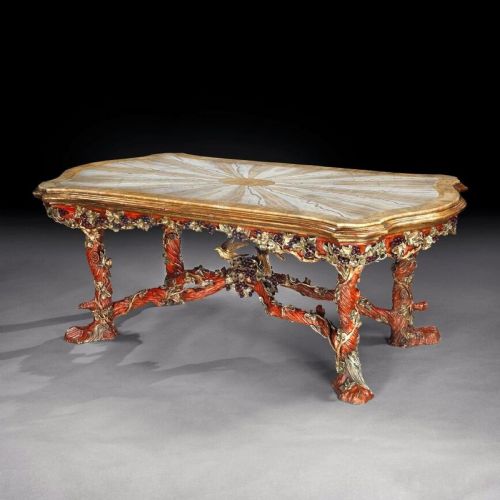
- Wood carved and prepared with gesso before being covered in thin gold leaf. This finish creates a luminous, reflective surface common on eighteenth-century console tables.
- Commode
- A decorative chest of drawers or cabinet designed for formal rooms. Italian examples often feature painted Venetian scenes or rich wood veneers.
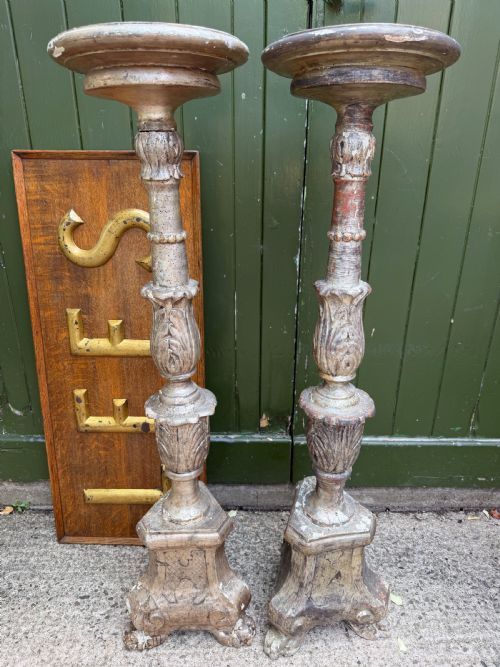
- Torchere
- A tall decorative stand meant to hold a light or candle. These pieces frequently incorporate elaborate carving and silvered finishes.
- Sgabello
- A light wooden chair with a high back and solid trestle supports, originating during the Renaissance. They were typically placed in hallways rather than used for long periods at a table.
- Marquetry
- The art of applying small pieces of veneer to a structure to form decorative patterns. Sorrento examples often use olive wood for these designs.
Italian Wood Furniture: Frequently Asked Questions
How do I identify a Venetian console table?
Venetian console tables often display elaborate Rococo carving, silvering, or painted polychrome finishes. They frequently feature serpentine marble tops and dynamic structural supports.
Look closely at the decorative motifs and the presence of gesso beneath the paint layers to understand their regional origin.
What is Sorrento inlaid wood?
Sorrento inlay involves precise wood-working techniques where contrasting timbers, such as olive wood, create pictorial or geometric designs. These are commonly found on smaller tables and corner shelves.
The technique highlights the natural grain and colour variations of the woods utilised by the artisans.
How should I care for painted Italian furniture?
Keep painted and gilded pieces away from direct sunlight and sudden temperature shifts to protect the gesso and pigments. Dust gently with a dry, soft cloth.
Avoid liquid cleaners and harsh chemical polishes, as these can damage fragile historic finishes.
Are these pieces from the eighteenth or nineteenth century?
The inventory includes items from both periods, alongside revival styles that emulate earlier aesthetics. Eighteenth-century pieces typically show distinct patination and period construction methods.
Nineteenth-century items frequently embrace Baroque or Neoclassical revival designs with heavy carving and marble tops.