







Italian Sculpture Art
Italian sculpture art brings centuries of religious devotion and classical form into your interior through carved wood, alabaster and bronze.
Italian Sculpture Art
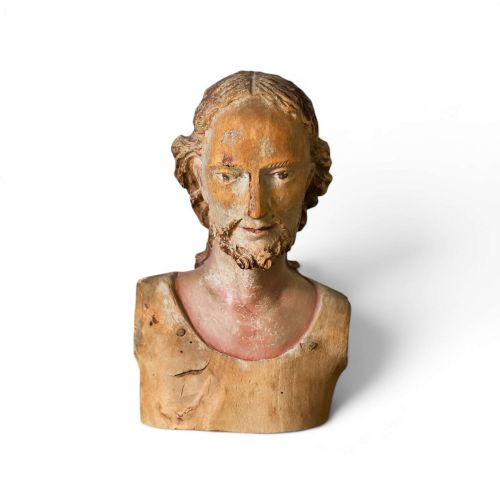
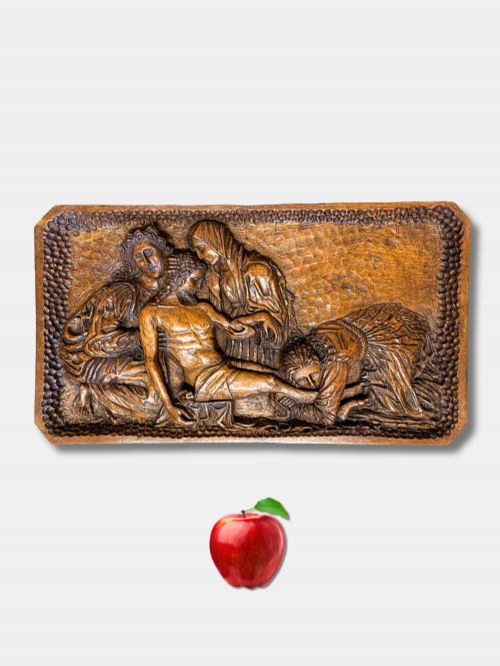
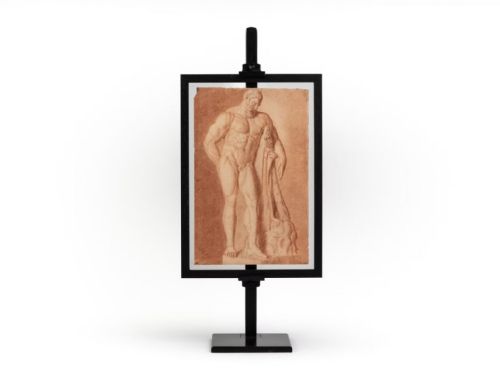
Italian sculpture art encompasses centuries of craftsmanship, ranging from devotional icons and ecclesiastical busts to classical profile plaques and decorative figures. When exploring Italian sculpture art, you encounter everything from rustic folk carvings to refined works in marble and bronze.
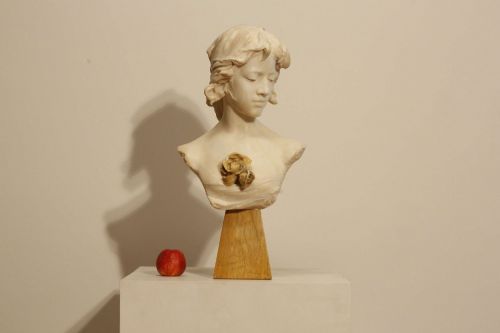
The pieces span several distinct eras, with nineteenth-century examples and eighteenth-century devotional works appearing frequently alongside early twentieth-century interpretations in alabaster and bronze. Forms vary widely from wall-mounted reliefs and processional figures to substantial free-standing statues.
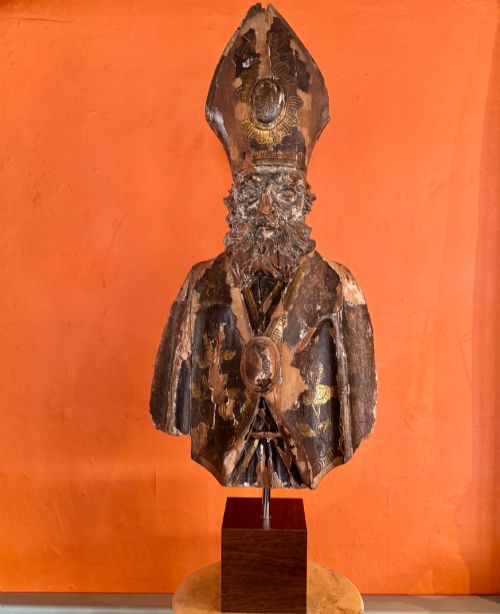
Religious subjects dominate the earlier periods, featuring saints, angels and biblical scenes carved from olive wood or chestnut, while later decades shift toward secular figures, allegories and Art Deco dancers. This continuity of workshop tradition connects domestic spaces directly to historic Italian ateliers.
Distinctions in quality
Quality rests upon the sensitivity of the carving and the fidelity of the cast, where fluid lines and anatomical conviction separate master sculptors from standard workshop production. The crispness of detail in carved hair, fingers and drapery indicates the level of care invested by the maker.
Materials also dictate standing, with translucent alabaster, rich portoro marble bases and heavier bronze casts commanding greater attention than simpler gessoed wood or mass-produced terracotta. Signatures by recognised sculptors add significant weight to a piece, reflecting individual artistry over anonymous decorative output.
Italian Sculpture Art Retail Price Guide 2026
Typical asking prices for italian sculpture art among the pieces listed under this phrase on Sellingantiques today, from the lower quarter to the upper quarter. They describe what is for sale here now, not the wider market.
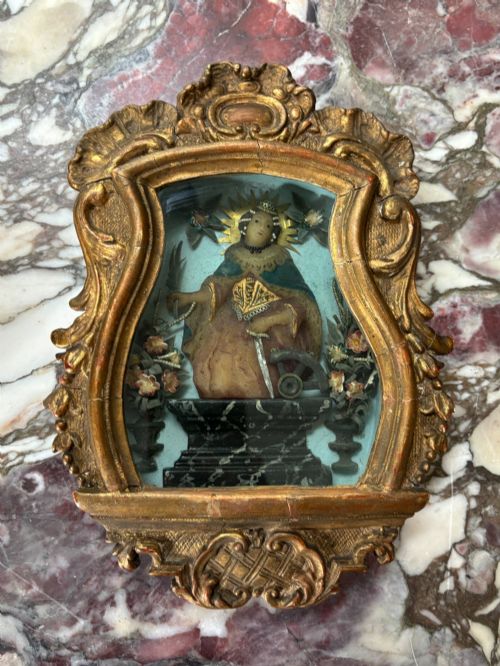
An eighteenth-century wax icon of Saint Catherine preserves tiny devotional threads alongside delicate garment folds.
A.Gamay·Luigi Secchi·Antonio Merente·Guido Cacciapuoti·Achille Mollica·Ugo Cipriani·Gian Federigo Bonzagna·Ferdinando Vichi·Gugielmo Pugi·A.Gory·A.Cipriani·Gabriella Binazzi
The Italian Sculpture Art Glossary
- Polychrome
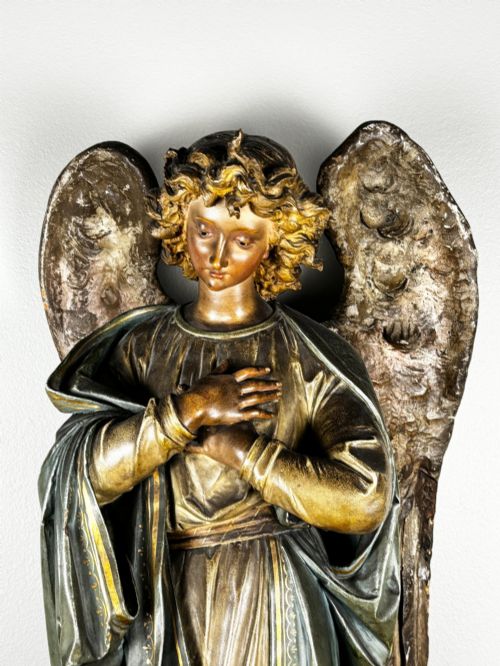
- Painted in several colours. This surface treatment is common on wooden religious figures and angels to simulate lifelike skin tones and garments.
- Giltwood
- Wood that has been treated with a thin layer of gold leaf. It appears frequently on eighteenth-century frames and ecclesiastical furnishings.
- Devotional Icon
- An object created for private prayer or religious observance. These pieces often take the form of small wax reliefs or carved wooden saints.
- Lost-wax casting
- A metal-casting method where a molten metal is poured into a mould that has been created by means of a wax model. It enables sculptors to produce fine details in bronze.
- Patina
- A surface sheen or colour change developed through age and handling on bronze, wood or marble. It signals authenticity and the passage of time.
Italian Sculpture Art: Frequently Asked Questions
How do I identify eighteenth-century Italian wood carvings?
Eighteenth-century wooden sculptures typically display dense native timbers like olive wood or chestnut, finished with traditional gesso and hand-applied polychrome pigments. Tool marks left by gouges and chisels remain visible beneath the surface layers.
These pieces often depict saints or ecclesiastical subjects with deep, expressive facial carving characteristic of regional Italian workshops, particularly from Sicily.
Where were alabaster sculptures made in Italy?
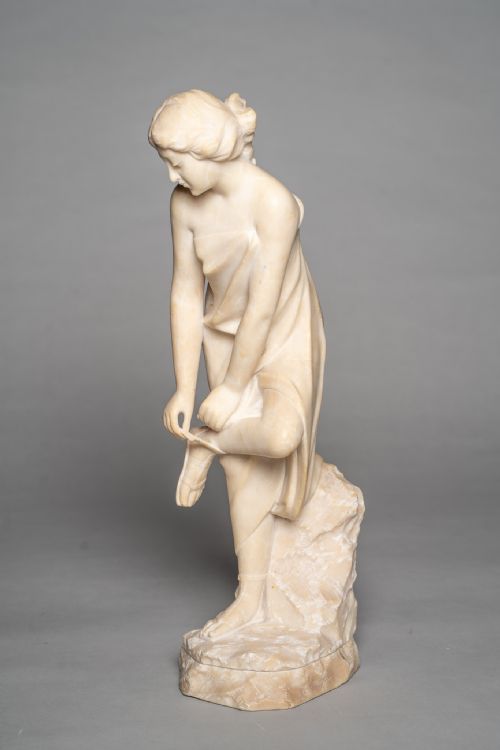
Alabaster works originated primarily in Tuscan workshops, particularly around Volterra, where local quarries supplied fine stone for carvers. Artisans utilised the natural translucency of the material to create soft drapery and realistic skin tones.
Signed pieces from this tradition frequently date from the late nineteenth century through the Art Deco period.
How should I care for antique bronze sculptures?
Maintain bronze sculptures by dusting them gently with a soft, dry cloth to prevent particulate accumulation. Avoid using chemical cleaners or abrasive polishes that might strip the historic patina.
Occasional applications of microcrystalline wax can protect the metal surface from atmospheric moisture.
What is a processional figure?
Processional figures are devotional statues designed to be carried through streets during religious festivals and feast days. They were constructed with lightweight wooden frames or carved upper bodies to make them manageable during long processions.
Surviving examples often show wear patterns consistent with outdoor handling and public veneration.