
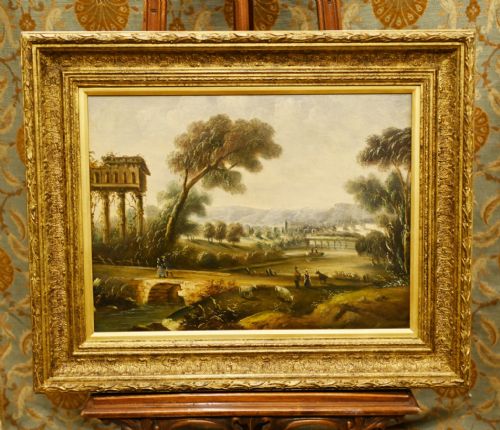


Italian School Canvas Painting
When you search for an italian school canvas painting, you enter a rich tradition of oil works stretching from the Renaissance through the Baroque to the mid-twentieth century.
Italian School Canvas Painting
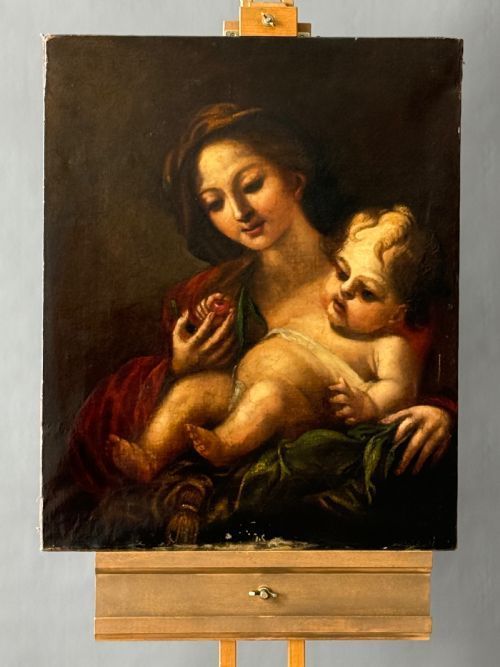
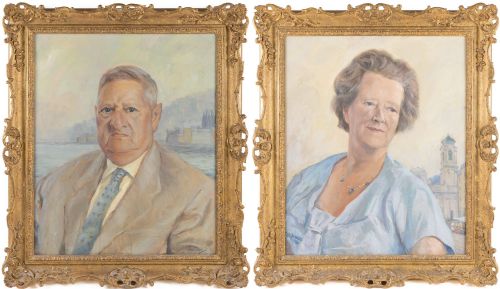
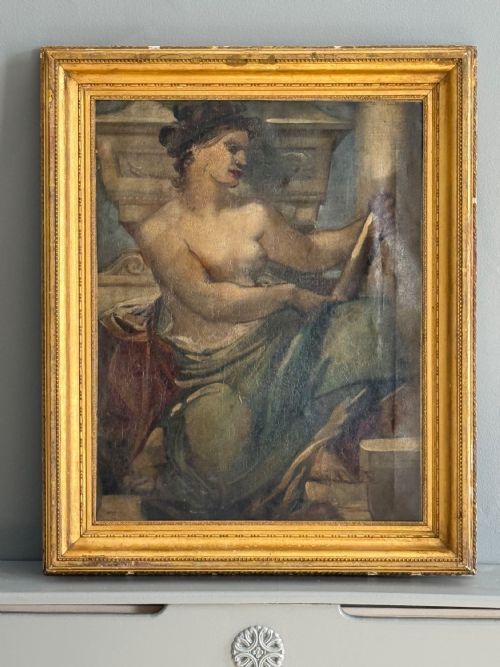
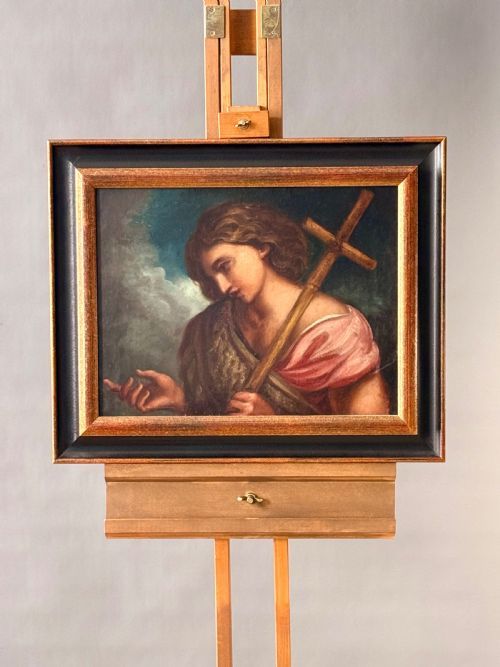
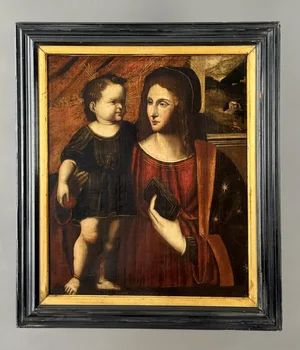
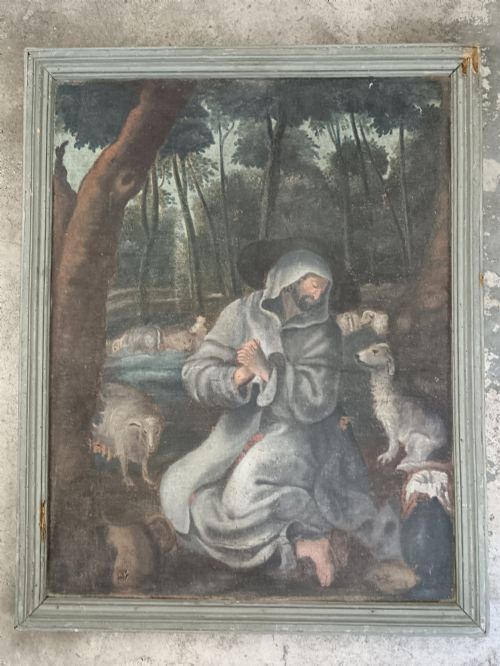
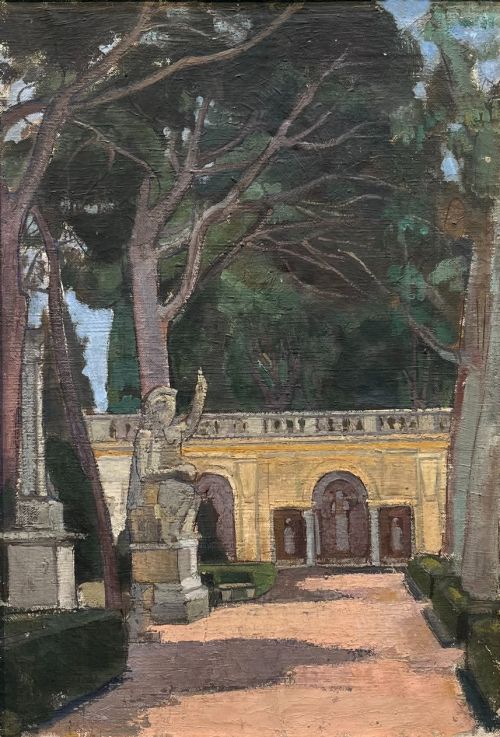
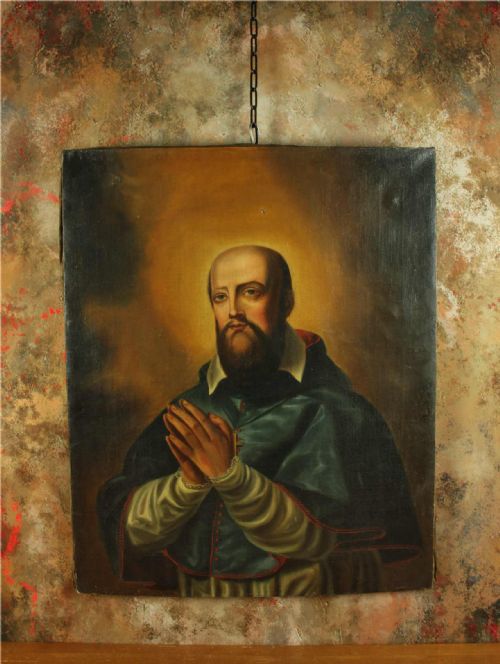
An italian school canvas painting encompasses religious compositions, grand tour landscapes, pastoral scenes, and portraiture created across centuries of artistic development. The works frequently reflect the influence or direct hands of masters, followers, and regional schools such as the Venetian, Genoese, and Emilian traditions.
Buyers will encounter seventeenth-century devotional subjects alongside nineteenth-century coastal views and twentieth-century interpretations. Many pieces present historical narratives, biblical figures, or idealized depictions of daily life rooted in Italian regions.
The selection ranges from early devotional oils on canvas to later retrospective works created in the revival styles of the nineteenth century. Each canvas carries the distinct stylistic markers of its geographic origin and period of execution.
Materials and construction
These works utilise oil paint applied to woven canvas supports, often stretched over wooden frames or occasionally attached to secondary panels. The ground layers provide a foundation for the pigment, allowing artists to build depth through glazes and opaque applications.
Many historical examples are housed within original or period-appropriate wooden surrounds, including swept gilt frames finished with gold leaf. The interaction between the oil medium and the canvas texture defines the physical surface of each composition.
The listings span multiple centuries, ranging from sixteenth-century Renaissance traditions through seventeenth-century Baroque compositions to mid-century Italian views.
Defining characteristics of quality
Quality in these works rests upon the dexterity of the brushwork, the handling of light and shadow, and the expressive depth of the figures. Superior examples demonstrate a confident command of anatomy, perspective, and narrative tension, whether executed by a primary master or a skilled follower.
The preservation of the original paint layer and the integrity of the canvas structure significantly influence the visual impact of the piece. Finer works retain their tonal balance and subtle gradations of colour without excessive modern intervention.
Vincenzo Irolli·Giulio Cecchini·Giacomo Nani·Federico Andreotti
The Italian School Canvas Painting Glossary
- Pentimento
- An alteration in a painting evidenced by visible traces of earlier work underneath the current surface. This occurrence shows the artist changing their composition during the creative process.
- Baroque
- A style of European art spanning the seventeenth and early eighteenth centuries, characterised by drama, deep shadow, and dynamic movement. Works in this mode often emphasise intense emotional states.
- Giltwood
- Wood that has been coated with gold leaf or a gold-coloured finish. This material frequently frames important historical paintings to enhance their visual weight.
- Grand Tour
- A traditional trip through Europe, notably Italy, undertaken by upper-class young men in the eighteenth and nineteenth centuries. Paintings acquired during these journeys often depicted regional landscapes and classical ruins.
- Tondo
- A Renaissance term for a circular work of art, whether a painting or a sculpture. These distinct circular formats offer unique compositional challenges.
Italian School Canvas Painting: Frequently Asked Questions
What does attribution to a school mean?
Attribution to a specific school indicates that a painting was produced in a particular region or city under the stylistic influence of its prominent masters. These works often share technical approaches and thematic concerns with documented local artists.
Such designations help historians contextualise unsigned or undocumented canvases within the broader landscape of Italian art history.
How can I tell an eighteenth-century canvas from a nineteenth-century copy?
Distinguishing between periods involves examining the preparation of the canvas, the ageing of the oil paint, and the specific pigments utilised. Earlier works often display characteristic craquelure and preparation methods unique to their era of production.
Stylistic cues also provide guidance, as nineteenth-century revival pieces frequently incorporate retrospective interpretations alongside period framing techniques.
What is a grand tour painting?
Grand tour paintings are visual records of Italian scenery, architecture, and antiquities purchased by travellers visiting cultural centres like Rome, Naples, and Venice. These works served as tangible memories of foreign travel before the advent of photography.
Subjects typically include local landscapes, Mount Vesuvius, or pastoral views executed in oil on canvas.
How should I care for an old master oil painting?
Maintaining an oil painting on canvas requires stable environmental conditions away from direct sunlight, extreme temperature fluctuations, and high humidity. Gentle dusting with a soft, dry brush is generally sufficient for surface maintenance.
Professional conservation should be sought for any structural issues with the canvas or stabilization of the paint layer.