



Italian Polychrome Sculpture
These italian polychrome sculpture pieces bring carved wood and painted surfaces into a room, offering centuries of regional craftsmanship.
Italian Polychrome Sculpture
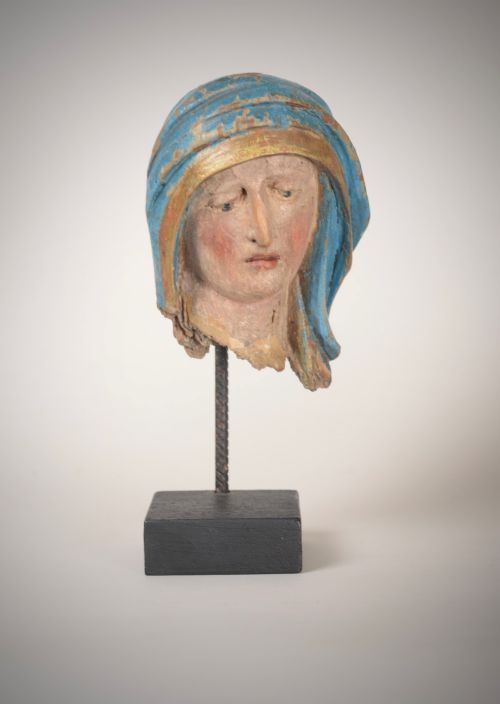
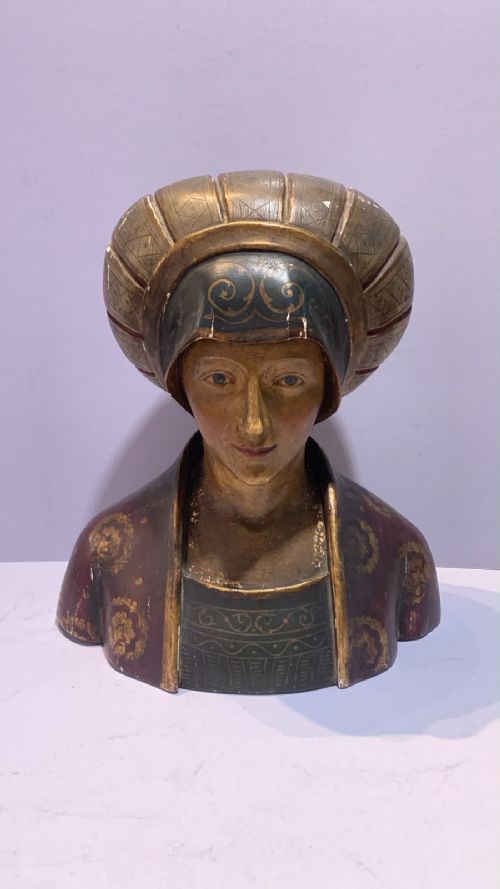
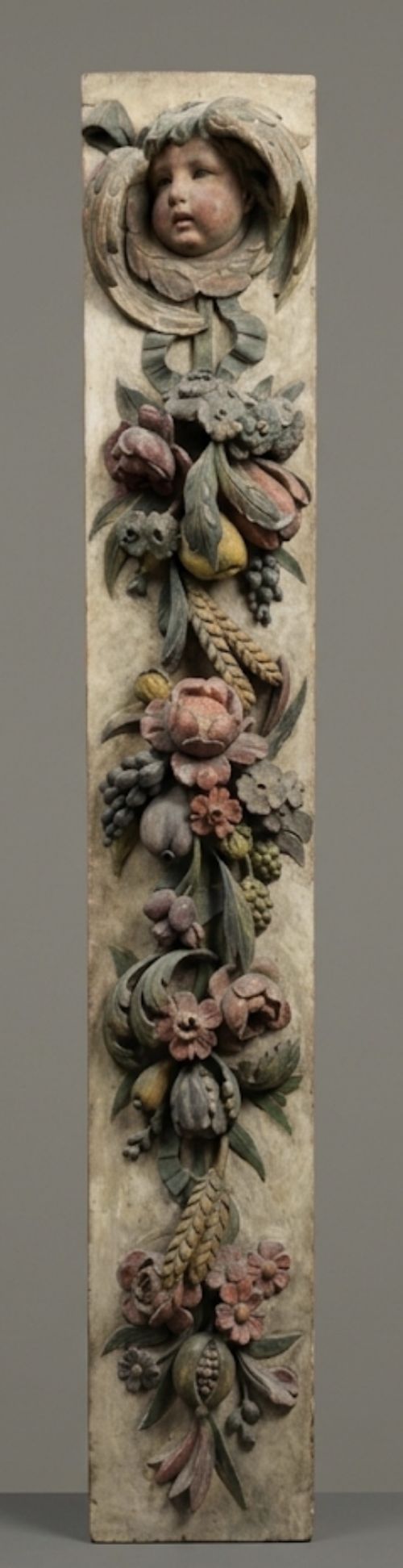
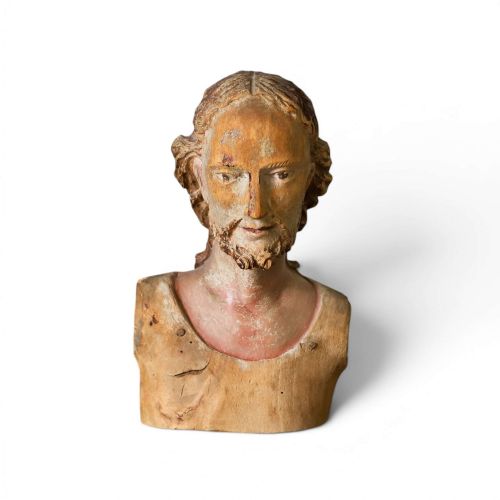
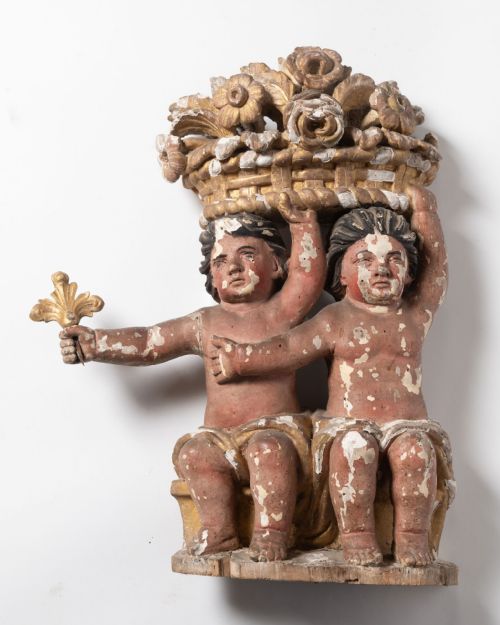
When you search for italian polychrome sculpture, you encounter figures, panels and decorative objects originating from Italian workshops across the seventeenth, eighteenth and nineteenth centuries. The selection spans religious carvings, processional figures, putti and decorative figures on stands.
You are most likely to meet carved wooden figures finished in polychrome paint and gold leaf, often depicting saints, angels or regional figures. These range from domestic decorative carvings to architectural fragments and floor lamps.
The objects reflect distinct regional output, with Venetian, Sicilian and Neapolitan pieces appearing frequently in the listings. Dating stretches from the seventeenth century through to Edwardian interpretations in the nineteenth century.
Materials and construction
Carved wood forms the core substrate for the majority of these pieces, utilising olive wood and other native timbers shaped by hand. Artisans applied gesso over the timber to create a smooth base for subsequent painting.
Polychrome paint and gold leaf or silvering bring colour and luminosity to the carved surfaces. Original paint layers often survive beneath later patination, showing the hand application of pigments.
Listings feature carved wood, gesso, gold leaf and terracotta across the seventeenth, eighteenth and nineteenth centuries.
Distinctions in quality
The hierarchy of quality rests on the fidelity of the carving and the survival of the original polychrome and gilt surfaces. Finer examples display expressive facial modeling and confident drapery carving executed by skilled hands.
The integrity of the original paint layer dictates the standing of a piece, with undisturbed historical pigments commanding greater interest than later overpainting. Sculptures retaining their original stands or paired elements also hold a distinct position.
Achille Mollica·Pietro Calvi
The Italian Polychrome Sculpture Glossary
- Polychrome
- Decorated in multiple colours. This surface treatment combines paints and pigments applied directly to wood, gesso or terracotta.
- Gesso
- A plaster mix used as a ground for painting and gilding. Artisans applied it over carved wood to prepare the surface for fine detail.
- Putti
- Depictions of chubby male children, often winged. These figures appear frequently in religious and decorative carving from the baroque period onwards.
- Blackamoor
- A European decorative sculpture style depicting figures from North Africa or sub-Saharan Africa, often functioning as torchieres or waiters. These pieces typically feature carved and polychrome-decorated wood.
- Grand Tour
- A cultural journey undertaken by European nobility. Souvenirs from these travels included busts and small sculptures acquired in Italy.
Italian Polychrome Sculpture: Frequently Asked Questions
What is an italian polychrome sculpture?
It is a carved figure, panel or bust originating from Italy, finished with painted pigments and often gold leaf. These works span religious subjects and decorative figures.
They reflect historical periods from the seventeenth to the nineteenth century, showcasing traditional regional craftsmanship in wood and terracotta.
How were these sculptures used originally?
Many served devotional roles in churches and private chapels, including processional figures and saint carvings. Others functioned as interior decoration in grand residences.
Securer pieces like figures on stands and floor lamps combined utility with ornamental display in domestic spaces.
How do I care for antique polychrome wood?
Keep the pieces away from direct sunlight and sudden temperature shifts to protect the wood and paint layers. Stable indoor environments prevent the timber from splitting.
Dust gently with a dry, soft cloth and avoid liquid cleaners that might lift the historical paint or gesso.
How do I distinguish eighteenth and nineteenth century pieces?
Eighteenth century examples often show baroque stylistic elements, deeper tool marks and heavier patination on the wood. Subjects frequently include saints, creche figures and putti.
Nineteenth century works frequently encompass Grand Tour souvenirs, revival styles and decorative figures such as gondolier lamps or terracotta busts.